


इलेक्ट्रॉनिक घटक आपूर्तिकर्ता | ट्रान्सफ़ॉर्मर, कुचालक, इन्वर्टर


Why Three Phase Transformers Are Powering the Future
Three-phase distribution transformers are the backbone of modern electrical grids, औद्योगिक सुविधाएं, और बड़े पैमाने पर नवीकरणीय ऊर्जा प्रणालियाँ. As global energy demands surge and smart grid technologies evolve, these transformers are becoming more efficient, कॉम्पैक्ट, and intelligent.
में 2024, advancements inऊर्जा दक्षता मानक, IoT integration, औरsustainable materials are reshaping the market. Whether you’re an electrical contractor, industrial plant manager, or renewable energy developer, understanding the latest trends inthree-phase distribution transformers can help you make cost-effective and future-proof decisions.
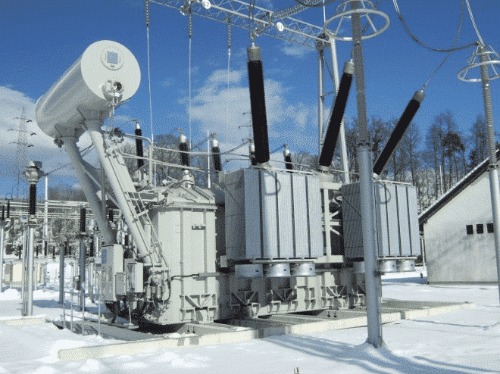
Key Market Trends in 2024
1. Rising Demand for Energy-Efficient Transformers
Governments worldwide are enforcing stricterenergy efficiency regulations (like the EU’s Ecodesign Directive and DOE standards in the U.S.). आधुनिकthree-phase transformers अब सुविधा:
✔Amorphous metal cores (तक 70% lower no-load losses)
✔High-temperature superconductors (HTS) for reduced energy waste
✔Smart cooling systems (liquid-immersed vs. dry-type optimizations)
2. स्मार्ट ट्रांसफार्मर & IoT Integration
The rise ofउद्योग 4.0 औरस्मार्ट ग्रिड has led to:
✔दूरस्थ निगरानी (predictive maintenance via sensors)
✔Self-regulating voltage control (AI-driven load balancing)
✔Cybersecurity-enhanced designs (protecting grid stability)
3. Growth in Renewable Energy Applications
With solar/wind farms expanding, three-phase distribution transformers must handle:
✔Fluctuating power inputs (bidirectional power flow)
✔Higher voltage variability (compatible with microgrids)
✔Hybrid systems (सौर + storage integration)
How to Choose the Right Three-Phase Transformer?
1. Determine Your Load Requirements
- औध्योगिक संयंत्र → High kVA ratings (500 kVA+)
- व्यावसायिक भवन → 75 केवीए को 300 केवीए
- नवीकरणीय ऊर्जा परियोजनाएँ → Dual-winding or auto-transformers
2. Select the Best Cooling Method
| प्रकार | के लिए सर्वोत्तम | Pros |
|---|---|---|
| तेल डूबे | आउटडोर, high-power apps | Better cooling, लंबा जीवनकाल |
| ड्राई-प्रकार | इनडोर, eco-sensitive areas | No fire risk, lower maintenance |
3. Compare Efficiency Ratings
✔DoE 2016 (U.S.) – Tier 2 & टीयर 3 efficiency benchmarks
✔EU Tier 1-3 – Aligns with Ecodesign 2021 मानकों
4. Consider Future-Proof Features
✔Smart sensors (तापमान, नमी, load monitoring)
✔Modular designs (easy upgrades)
✔Noise reduction tech (critical for urban installations)
Price Trends & Cost-Saving Tips (2024)
Current Market Prices
| शक्ति दर्ज़ा | तेल डूबे ($) | ड्राई-प्रकार ($) |
|---|---|---|
| 100 केवीए | $3,000 – $6,000 | $4,000 – $8,000 |
| 500 केवीए | $10,000 – $20,000 | $15,000 – $25,000 |
| 1000 केवीए | $25,000 – $40,000 | $30,000 – $50,000 |
How to Save on Your Purchase?
✔Buy from manufacturers (cut distributor markup)
✔Consider refurbished units (30-50% savings)
✔Check for tax incentives (जैसे, U.S. Section 179D deduction)
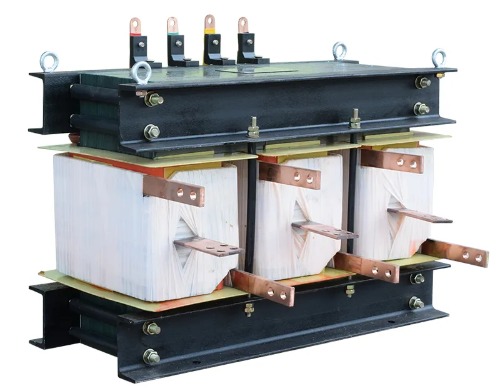
The Future of Three-Phase Transformers
द्वारा 2030, experts predict:
🔹Wider adoption of biodegradable oils (replacing mineral oil)
🔹AI-powered predictive maintenance (minimizing downtime)
🔹Ultra-compact designs (for urban & space-constrained areas)
Final Recommendation
Investing in the rightthree-phase distribution transformer ensures reliability, क्षमता, and compliance with evolving regulations. Compare top brands likeसीमेंस, एबीबी, and Schneider Electric, and always consult with an expert before finalizing your purchase.
Need help selecting the best transformer? Download our free 2024 Three-Phase Transformer Buyer’s Checklist!
संबंधित पोस्ट
औद्योगिक और वाणिज्यिक ऊर्जा भंडारण तेजी से लोकप्रिय क्यों हो रहा है?? उद्यम लागत में कमी की नई प्रवृत्ति का विश्लेषण 2025
ट्रांसफार्मर की कमी एआई और मस्क की गर्दन कैसे पकड़ती है??
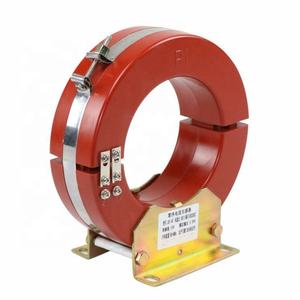
वर्तमान ट्रांसफार्मर का कार्य सिद्धांत और अनुप्रयोग क्षेत्र
बिजली ट्रांसफार्मर प्रमुख देशों के बीच प्रतिस्पर्धा का एक नया केंद्र क्यों बन गया है??
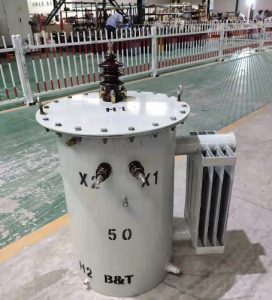
नई ऊर्जा क्रांति का मूल! स्मार्ट ट्रांसफार्मर भविष्य के पावर ग्रिड को कैसे नया आकार दे सकते हैं??