Pemasok Komponen Elektronik | transformator, Induktor, Inverter


Poin-poin penting
- Match the relay’s pipe size and gas volume capacity to your transformer’s oil volume and pipe diameter.
- Choose between single-float and double-float designs based on transformer size and protection criticality.
- Consider environmental conditions (suhu, kelembaban, getaran) and select relay materials accordingly.
- Verify alarm and trip thresholds through commissioning tests and coordination with other protection relays.
- Plan for accessible installation and periodic maintenance, including gas sampling and float testing.
What Is a Buchholz Relay and Why Does Selection Matter?
Selecting the correct Buchholz relay for an oil-immersed transformer requires understanding its function: detecting gas accumulation and oil surge caused by internal faults such as kegagalan busing. Key factors include transformer oil volume, kelas tegangan, desired alarm and trip thresholds, dan kondisi lingkungan. This article covers the criteria to match the relay to your specific transformer design and operational requirements.
The relay is mounted in the pipe between the transformer tank and conservator, responding to slow gas buildup (minor faults) and rapid oil flow (major faults). The right choice ensures sensitive fault detection without nuisance trips and compliance with standards such as IEC 60214 or IEEE C57.12.00.
Since no two transformers are identical, a one-size-fits-all approach can cause under-protection or false alarms. The following sections detail the technical parameters, physical configurations, and installation considerations for proper selection.
Buchholz Relay Basics: How It Works and What It Protects
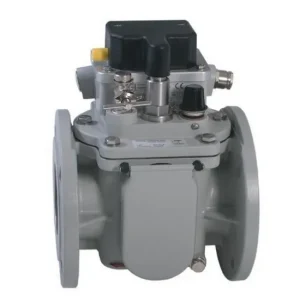
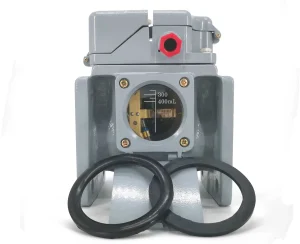
Relai Buchholz adalah gas- and oil-actuated protection device for oil-immersed transformers with a tangki konservator. It has two contact sets: one for alarm (slow gas accumulation) and one for trip (rapid oil surge). The relay collects gas from internal faults, enabling diagnosis of issues such as insulation breakdown, core overheating, or tap changer faults.
The relay typically uses a float or bucket mechanism. When gas volume reaches a preset level, the alarm float drops and closes the alarm circuit. A sudden oil surge forces the trip float to operate via a surge baffle, sending a trip signal to the circuit breaker. This dual-function mechanism provides early warning and emergency shutdown.
Understanding these principles is essential because the relay size, gas volume threshold, and surge response time must match the transformer’s oil circulation and the protection scheme’s coordination requirements.
Key Selection Criteria for Buchholz Relays
Pertama, transformer oil volume and pipe diameter. Buchholz relays come in pipe connection sizes DN25, DN40, DN50, DN80. The relay must match the pipe diameter between the transformer and conservator. A mismatch can cause improper oil flow, delayed response, or installation issues.
Kedua, relay gas volume capacity. Relays offer gas collection volumes from 100 cm³ to 500 cm³. For high oil volume transformers, a larger capacity may be needed to accumulate enough gas for a reliable alarm before trip. Namun, the alarm threshold should be low enough to detect small faults early.
Ketiga, the voltage class and insulation level of the relay’s contacts and wiring must match the transformer’s auxiliary voltage and control circuit. Most relays have dry contacts rated for 250 V AC / 30 Di DC, but higher ratings may be needed for direct trip circuits. The relay housing must also withstand the transformer’s internal pressure and temperature range.
Environmental conditions—ambient temperature, kelembaban, and vibration—also affect selection. Stainless steel internal components are preferred in high-humidity areas. In seismic zones, consider relays with enhanced mechanical stability or alternative mounting options. Akhirnya, compliance with standards such as IEC 60214 or IEEE C57.12.00 may dictate specific performance requirements.
Types of Buchholz Relays and Their Applications
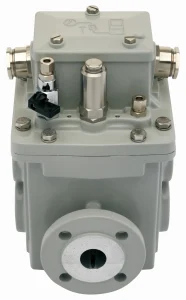
Buchholz relays are classified into single-float and double-float designs. Single-float relays use one float for both alarm and surge, suitable for smaller transformers where cost is a primary concern. Double-float relays have separate floats for alarm and trip, offering more precise threshold settings and higher reliability for larger or critical transformers.
Some relays include an oil level indicator or gas sampling valve, simplifying maintenance and diagnostic gas analysis. For transformers with smart transformer accessories (misalnya, IoT-based online monitoring), relays with additional contacts (misalnya, for remote gas volume measurement) or electronic interfaces are available. The choice depends on the transformer’s monitoring philosophy and the operator’s maintenance strategy.
Another variant is a Buchholz relay with a built-in temperature sensor or combined with a pressure relief device. These integrated solutions reduce pipe fittings but may limit threshold setting flexibility. Evaluate whether the additional features align with the overall protection scheme and avoid introducing single points of failure.
Installation and Maintenance Considerations
Proper installation is critical for Buchholz relay performance. Mount the relay with the arrow pointing in the direction of oil flow from the transformer to the conservator. The connecting pipe should have a slight upward slope (typically 1–2%) toward the conservator to allow gas to rise into the relay. The relay must be easily accessible for periodic inspection and gas sampling.
During commissioning, verify the alarm and trip thresholds by injecting gas and oil flow at controlled rates. Maintenance includes periodic draining of accumulated gas, checking float freedom, and testing contact operation. For transformers with frequent load changes, oil oscillation may cause false surges; selecting a relay with a time delay (misalnya, 0.5–2 seconds) can mitigate this.
Use a bypass valve arrangement during maintenance so the transformer can continue operating while the relay is serviced. Inspect the relay’s gaskets and seals for aging, and follow the manufacturer’s guidelines for replacement intervals. Proper documentation of relay settings and test results supports long-term reliability.
Common Mistakes to Avoid When Selecting a Buchholz Relay
A common mistake is selecting a relay based solely on pipe diameter without considering oil volume and gas generation rate. A relay that is too small may fill with gas prematurely, causing false alarms; an oversized relay may delay fault detection. Always cross-check the relay’s gas volume rating against the transformer’s expected gas evolution during minor faults.
Another mistake is neglecting the relay’s ambient temperature rating. In cold climates, increased oil viscosity can slow gas movement and alter the relay’s response time. Relays designed for low-temperature operation (misalnya, with special lubricants or larger oil passages) are necessary for outdoor installations in freezing conditions.
Akhirnya, ignoring coordination with other protection relays (misalnya, differential or overcurrent) can lead to protection gaps or nuisance tripping. Set the Buchholz relay’s trip time and threshold so it does not operate before upstream breakers during non-critical events. A thorough protection coordination study is recommended before finalizing the relay settings.
Final Recommendations for Choosing Your Buchholz Relay
To select the right Buchholz relay, gather the transformer’s specifications: oil volume, pipe diameter, kelas tegangan, and expected fault gas characteristics. Then determine the required alarm and trip thresholds based on protection philosophy and standards. Match the relay’s mechanical and electrical ratings to the installation environment.
Consider whether a single-float or double-float design better suits your reliability needs and budget. Untuk transformator kritis, a double-float relay with gas sampling capability and remote monitoring interface is often justified. Always verify the relay’s compliance with applicable standards and obtain documentation for settings and testing.
Akhirnya, plan for proper installation and ongoing maintenance. A well-selected and correctly installed Buchholz relay provides sensitive, reliable protection for your oil-immersed transformer, helping to prevent catastrophic failures and extend equipment life.
Pertanyaan yang sering diajukan
What is the difference between a single-float and double-float Buchholz relay?
A single-float relay uses one float for both alarm and surge detection, suitable for smaller transformers. A double-float relay has separate floats for alarm and trip, allowing more precise threshold settings and higher reliability for larger or critical transformers.
How do I determine the correct pipe size for a Buchholz relay?
The relay’s pipe connection size must match the pipe diameter between the transformer tank and the conservator. Common sizes are DN25, DN40, DN50, and DN80. Check the transformer’s design drawings or measure the existing pipe flange.
Can a Buchholz relay be used for all oil-immersed transformers?
Buchholz relays are designed for transformers with a conservator tank. They are not suitable for sealed transformers (without conservator) or those with nitrogen blanketing. For such transformers, other protection devices like pressure relief valves or oil flow detectors are used.
What maintenance is required for a Buchholz relay?
Periodic maintenance includes draining accumulated gas, checking float freedom, testing contact operation, and inspecting gaskets for aging. The relay should be tested during commissioning and after any major fault. Manufacturer guidelines specify intervals, typically every 1–2 years.
How do I set the alarm and trip thresholds on a Buchholz relay?
Thresholds are set by adjusting the float positions or baffle angles. The alarm threshold is usually set to trigger when gas volume reaches a certain level (misalnya, 100–200 cm³). The trip threshold is set to respond to a specific oil flow rate. Refer to the relay manual and perform gas injection tests during commissioning.
Luoyang Datang Energi Technology Co., Ltd. adalah perusahaan teknologi tinggi yang mengintegrasikan R&D, manufaktur dan penyediaan peralatan listrik seperti trafo, komponen energi baru, lemari distribusi dan inverter. Dengan inovasi teknologi sebagai intinya, kami fokus pada penciptaan solusi kelistrikan dengan keandalan dan kinerja tinggi untuk melayani pelanggan global. Dengan sistem kendali mutu yang ketat dan sertifikasi berstandar internasional, kami terus menghasilkan produk unggulan dan memungkinkan pelanggan membangun sistem tenaga listrik yang aman dan stabil.
POSTINGAN TERKAIT
thyristor dioda dua arah:Diskusi Komprehensif Prinsip Operasi, Karakteristik dan Aplikasi

Pasar generator diesel global terus berkembang, diharapkan tercapai $35.25 miliar oleh 2027, dengan generator diesel memainkan peran penting

Mengungkap misteri Fast Recovery Diode tegangan tinggi!
Harga Inverter Surya Hibrid: Inovasi dan Nilai Inverter Surya
Thyristor yang dikontrol fase: pengatur cerdas elektronika daya