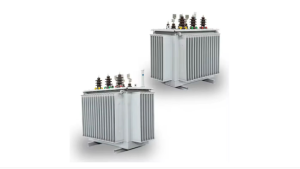
Pemasok Komponen Elektronik | transformator, Induktor, Inverter


Memperkuat Masa Depan: Elektrifikasi dan Keberlanjutan dalam Pertambangan
The mining industry is undergoing a transformative shift towardelectrification and sustainability, didorong oleh kebutuhan untuk mengurangi emisi karbon, biaya operasional yang lebih rendah, and comply with stricter environmental regulations. As a key player in the global energy transition, the sector is increasingly adoptingelectric-powered equipment, integrasi energi terbarukan, dan solusi jaringan pintar—all of which rely heavily onadvanced transformer technologies.
1. The Rise of Electrification in Mining
Key Drivers:
Decarbonization Goals: Mining companies aim fornet-zero emissions, replacing diesel-powered machinery with electric alternatives.
Efisiensi Biaya: Electric vehicles (EV) and equipment reduce fuel and maintenance expenses.
Regulatory Pressure: Governments enforce stricter emissions standards (misalnya, EU Green Deal, Chile’s mining electrification mandate).
Electrified Mining Equipment:
Electric Haul Trucks (misalnya, Caterpillar, Komatsu, and Hitachi models)
Battery-Electric Loaders & Latihan
Conveyor Systems with Regenerative Braking
Underground Electric Vehicles (EV)
Role of Transformers:
Poweringcharging stations for mining EVs.
Enablinghigh-voltage distribution for electric shovels and drills.
Supportingmicrogrids in remote mines.
2. Integrasi Energi Berkelanjutan
Mines are increasingly turning toenergi terbarukan (tenaga surya, angin, pembangkit listrik tenaga air) to reduce reliance on fossil fuels.
Key Solutions:
Hybrid Power Systems (Tenaga surya + Penyimpanan Baterai + Diesel Backup)
Wind-Powered Mines (misalnya, BHP’s Escondida mine in Chile)
Hydrogen Fuel Cells for heavy machinery
Transformer Requirements:
Solar/Wind Step-Up Transformers (to integrate renewables into mine grids).
Transformer Cerdas (for dynamic load management).
Kompak & Mobile Substations (for flexible deployment).
3. Cerdas & Resilient Power Distribution
Modern mines requiredapat diandalkan, adaptive power networks to handle fluctuating loads.
Innovations in Mining Power Systems:
✔Digital Substations (Pemantauan berkemampuan IoT)
✔Autonomous Energy Management (AI-driven load balancing)
✔Fault-Tolerant Transformers (minimizing downtime)
Transformer Trends:
Transformator Tipe Kering (fire-safe for underground use).
High-Efficiency (IE3/IE4) transformator (reducing energy waste).
HVDC (High-Voltage Direct Current) Systems for long-distance power transmission.

4. Tantangan & Opportunities
Tantangan:
High upfront costs of electrification.
Limited charging infrastructure in remote mines.
Need forskilled technicians to maintain advanced systems.
Opportunities for Transformer Suppliers:
🔹Customized Mining Transformers (explosion-proof, ruggedized designs).
🔹Aftermarket Services (pemeliharaan prediktif, retrofitting).
🔹Partnerships with Renewable Energy Providers.
5. Masa Depan: Zero-Emission Mines
Oleh2030-2050, leading mining companies (Rio Tinto, BHP, Vale) aim forfully electric, autonomous mines powered by renewables.Transformers will remain critical in enabling this transition by:
✅ Providingstabil, high-capacity power distribution.
✅ Supportingbattery & hydrogen energy storage systems.
✅ IntegratingAI and IoT for smarter energy management.
Kesimpulan
The mining industry’s shift towardelectrification and sustainability is accelerating, creatinghuge demand for advanced transformers that support:
Electric mining fleets
Integrasi energi terbarukan
Smart microgrids
Suppliers who offer innovative, dapat diandalkan, and energy-efficient transformer solutions will lead this transformation.
POSTINGAN TERKAIT

Peran dan metode implementasi Modul Redundansi Dioda dalam mengurangi kemungkinan kegagalan sistem dan meningkatkan keandalan peralatan
Inverter Mikro: Pilihan Cerdas untuk Sistem Energi Surya
Memanfaatkan Matahari: Panduan Utama Anda untuk Baterai Tenaga Surya di 2024
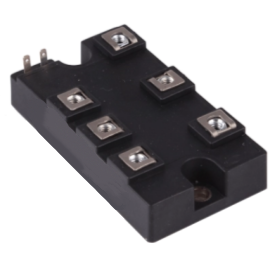
Bagaimana cara kerja penyearah jembatan thyristor?
Memilih Inverter Untuk Panel Surya