Pemasok Komponen Elektronik | transformator, Induktor, Inverter


Relai Buchholz: Seorang Penjaga di Grid – Prinsip, Jenis, dan Perlindungan Kritis

Bayangkan sebuah keheningan, penjaga tak terlihat yang tinggal di dalam trafo listrik besar. Wali ini bekerja siang dan malam, mencegah kegagalan besar dan memastikan pasokan listrik kami tetap stabil. This guardian is the Relai Buchholz. It is a simple yet brilliant device that has protected power transformers for over a century. Consequently, understanding its function is key for anyone in the electrical industry.
This article will explain everything you need to know about theRelai Buchholz. We will explore its history, cara kerjanya, and the differentrelay type variations. Lebih-lebih lagi, we will discuss its critical role in modern power systems and why it remains a cornerstone of electrical safety.
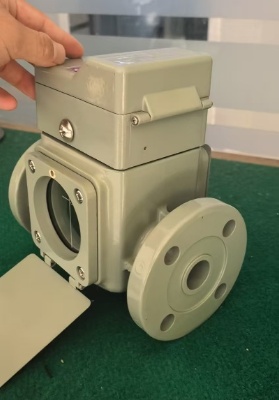
Physical picture of QJ4-25 gas relay
1.1 Who was Max Buchholz?
ItuBuchholz relay is named after its inventor, MaksBuchholz. He was a German engineer who introduced the device in 1921. During his time, transformers were becoming larger and more critical to power networks. Namun, they were also vulnerable to internal faults that could lead to explosions and fires. MaksBuchholz‘s invention provided a direct solution to this growing problem. His device was a breakthrough because it could detect internal faults that external systems could not see. Karena itu, the nameBuchholz is forever linked to transformer safety.
1.2 The Fundamental Operating Principle
ItuRelai Buchholz operates on a simple mechanical principle. It is installed in the pipe that connects the main transformer tank to its conservator (the oil-expansion tank). The relay is completely filled with insulating oil when the transformer is running normally. It contains two hinged floats, each with a mercury switch. These floats are strategically positioned to detect different types of faults.
Essentially, ituRelai Buchholz is a gas-detectionrelay type. When a minor internal fault occurs, slow-producing gases accumulate in the relay. This process causes the oil level to drop. As a result, the upper float tilts and closes its mercury switch. This action typically triggers an alarm, signaling operators that a problem is developing. For major faults, a rapid surge of oil flows towards the conservator. This surge displaces the lower float, causing it to tilt and close its circuit. This second switch usually trips the transformer offline, preventing extensive damage.
2. Deep Dive into Buchholz Relay Functionality and Alarms
Understanding the specific faults aRelai Buchholz detects is crucial for interpreting its alarms and taking correct action.
2.1 What Faults Does it Detect?
ItuRelai Buchholz is uniquely positioned to identify several dangerous conditions:
- Incipient Faults: These are slow-developing faults like localized overheating or partial discharge. They decompose the insulating oil, producing gases that bubble up into the relay.
- Major Internal Faults: These include severe problems like short-circuited windings or core faults. They generate a large amount of gas very quickly, creating the oil surge that activates the trip circuit.
- Loss of Oil: If a leak causes the oil level in the transformer to fall too low, the upper float will activate, sending an alarm before the transformer’s exposed parts overheat.
2.2 Interpreting the Alarms and Trips
Eachrelay type signal requires a specific response. The alarm circuit is an early warning. When it activates, operators should immediately take note. They should also take gas samples from the relay for analysis. This analysis, called Dissolved Gas Analysis (DGA), can pinpoint the exact nature of the fault inside the transformer. Sebaliknya, a trip signal is an immediate emergency. It means theRelai Buchholz has detected a severe fault that could destroy the transformer. The transformer is automatically disconnected from the power grid to isolate the failure.
3. Exploring Different Buchholz Relay Types and Modern Variations
While the classic mechanicalRelai Buchholz is the most common, severalrelay type designs have emerged to suit different applications.
3.1 The Standard Mechanical Buchholz Relay
This is the traditionalrelay type described throughout this article. It is purely mechanical, relying on floats, hinges, and mercury switches. Its main advantages are simplicity, keandalan, dan biaya rendah. Namun, it can be sensitive to mechanical shocks and may require calibration over time.
3.2 Modern Electronic and Smart Relays
Technology has introduced newrelay type options. ElektronikRelai Buchholz versions use sensors to detect gas accumulation and oil flow. They often include digital displays and communication capabilities. Misalnya, a modernrelay type can send real-time data to a control center. This allows for better monitoring and integration with smart grid systems. Ini “cerdas” relays provide more precise data but are generally more expensive than their mechanical counterparts.
3.3 Specialized Relay Types for Specific Applications
Some transformers, particularly smaller ones, may use a differentrelay type of protection. Namun, for large power transformers filled with oil, ituRelai Buchholz remains the standard. Lainnyarelay type perangkat, like sudden pressure relays, may be used in conjunction with theRelai Buchholz for a multi-layered protection scheme.
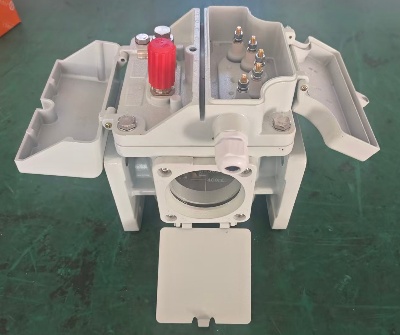
Physical picture of QJ4-50 gas relay
4. The Undiminished Importance of Buchholz Relays Today
In an era of digital transformation, ituRelai Buchholz is as relevant as ever. It is a first-line defense that is completely independent of the electrical system. This independence is its greatest strength.
4.1 A Critical Component for Grid Stability
Power transformers are among the most expensive and critical assets in the electrical grid. A single transformer failure can cause widespread blackouts and cost millions in repairs and lost revenue. ItuRelai Buchholz directly prevents these failures. By providing early warnings, it allows for planned maintenance, preventing unplanned outages. Karena itu, it is not just a protective device but also a key tool for asset management and grid reliability.
4.2 Buchholz Relays and the Renewable Energy Sector
The growth of renewable energy creates new demand for theRelai Buchholz. Large solar farms and wind power plants use massive step-up transformers to connect to the grid. These transformers are often located in remote areas. Protecting them is essential. The reliable, self-powered nature of the mechanicalRelai Buchholz makes it ideal for these applications. It provides robust protection without relying on external power sources.
4.3 Instalasi, Testing, and Maintenance
Proper installation is critical for aRelai Buchholz to function correctly. It must be mounted correctly in the pipe between the transformer and the conservator. Regular maintenance is also essential. This includes checking for false operations, testing the mechanical components, and ensuring the electrical circuits are healthy. Neglecting maintenance can lead to a failure to operate when needed—or a false trip that disconnects a healthy transformer.
Kesimpulan
Singkatnya, ituRelai Buchholz is a timeless masterpiece of electrical engineering. From its invention by MaxBuchholz to its modern electronic versions, this specificrelay type has proven indispensable. It offers unique, fundamental protection for oil-filled transformers by detecting internal faults that no other device can. Its simple principle of gas and oil flow detection makes it incredibly effective and reliable. As our power systems evolve and grow more complex, the role of this vital guardian becomes even more important. For ensuring safety, preventing disasters, and maintaining a stable electricity supply, ituRelai Buchholz truly is a silent hero in the world of electrical power.
Luoyang Datang Energi Technology Co., Ltd. adalah perusahaan teknologi tinggi yang mengintegrasikan R&D, manufaktur dan penyediaan peralatan listrik seperti trafo, komponen energi baru, lemari distribusi dan inverter. Dengan inovasi teknologi sebagai intinya, kami fokus pada penciptaan solusi kelistrikan dengan keandalan dan kinerja tinggi untuk melayani pelanggan global. Dengan sistem kendali mutu yang ketat dan sertifikasi berstandar internasional, kami terus menghasilkan produk unggulan dan memungkinkan pelanggan membangun sistem tenaga listrik yang aman dan stabil.
POSTINGAN TERKAIT
Adaptor Tegangan 110 ke 220: Teman Perjalanan Penting Anda

Transformator Distribusi Berisi Minyak yang Andal untuk Penyaluran Daya yang Efisien

Jenis Inverter Daya Apa yang Saya Butuhkan untuk Panel Surya?

Penggantian dioda yang tepat waktu memberikan penyearah alternator masa pakai yang baru

Thyristor Tipe Kapsul: Komponen inti peralatan elektronika daya