電子部品サプライヤー | トランスフォーマー, インダクタ, インバータ


なぜ太陽光発電システムは高品質の変圧器なしでは成り立たないのか?
世界的なエネルギー転換とカーボンニュートラルの目標によって推進される, photovoltaic power generation has become one of the most important forms of renewable energy. Whether it is large-scale centralized photovoltaic power stations or industrial and commercial distributed photovoltaic systems, the installed capacity is continuously expanding. しかし, while photovoltaic modules, インバータ, and other equipment are frequently discussed, the key equipment of transformers is often underestimated.
実際には, transformers are the core infrastructure equipment for photovoltaic power generation systems to achieve safe grid connection, 安定した動作, and efficient transmission. The volatility of photovoltaic systems, the characteristics of power electronicization, and the continuous improvement of grid connection standards have made photovoltaic transformers no longer traditional distribution transformers, but highly specialized power equipment.
This article will systematically analyze transformer technology in photovoltaic power generation systems from multiple dimensions such as system structure, technical requirements, アプリケーションシナリオ, と開発動向.
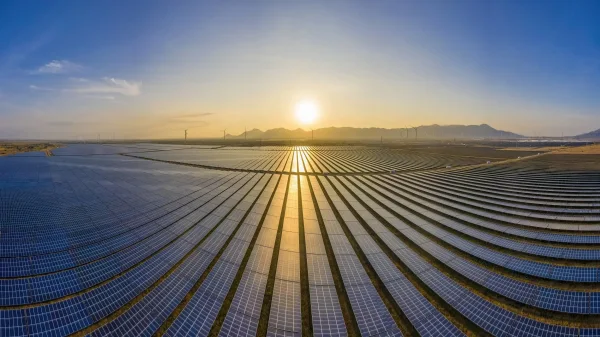
Photovoltaic power generation system
1、 Analysis of the overall architecture of photovoltaic power generation system
A complete photovoltaic power generation system typically consists of the following components:
- Photovoltaic modules
- Combiner Box
- インバータ
- トランス
- Grid connection and distribution system
Photovoltaic modules convert solar energy into direct current, which is then converged and fed into an inverter. The inverter outputs low-voltage alternating current (commonly 400V or 690V). Due to the fact that power grids typically use medium or high voltage levels, they must be stepped up through transformers before they can be connected to the grid.
この過程で, the transformer plays a crucial role as a link between the photovoltaic power generation unit and the public power grid.
2、 The core role of transformers in photovoltaic systems
2.1Voltage level conversion
This is the most fundamental and important function of a transformer. Common boosting paths for photovoltaic systems include:
- 0.4kV → 10kV
- 0.69kV → 20kV
- 0.69kV → 35kV
Reasonable voltage conversion is not only related to grid compliance, but also directly affects system losses and transmission efficiency.
2.2Electrical isolation and system safety
Transformers achieve electrical isolation through winding structures, effectively improving system safety. This is particularly important for distributed photovoltaic projects in densely populated areas.
2.3Power quality regulation
Due to the non-linear nature of inverters, there are inevitably issues such as harmonics and voltage fluctuations in photovoltaic systems. The structural design, wiring method, and impedance configuration of transformers have a significant impact on the power quality of the system.
3、 The difference between photovoltaic transformers and traditional distribution transformers
3.1Fundamental differences in operating conditions
Traditional distribution transformers are usually designed for long-term near full load operation, while photovoltaic transformers have obvious characteristics:
- Daytime operation, no load at night
- Long term low load state
- Power changes rapidly with lighting conditions
したがって, photovoltaic transformers place greater emphasis on low load efficiency and dynamic adaptability.
3.2Higher resistance to harmonics and impact
The high-order harmonics generated by photovoltaic inverters can cause:
- Increased additional loss of iron core
- The temperature rise of the winding increases
- Accelerated insulation aging
Photovoltaic specialized transformers usually require anti harmonic optimization design to adapt to the power electronics environment.
4、 Application of transformers in centralized and distributed photovoltaics
4.1Centralized photovoltaic power station
Large scale ground photovoltaic power plants usually adopt:
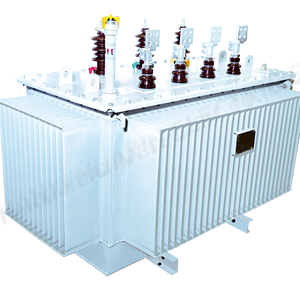
- Oil immersed step-up transformer
- Photovoltaic box type substation
Its advantages include:
- Low loss
- 優れた放熱性能
- Suitable for long-term outdoor continuous operation
Centralized projects focus more on full lifecycle costs and long-term reliability.
4.2Distributed photovoltaic system
In industrial and commercial rooftops, park photovoltaics, and other scenarios, more common configurations include:
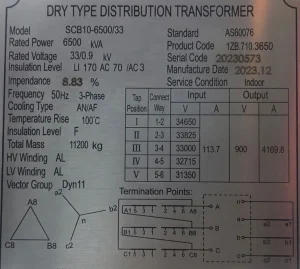
- 乾式変圧器
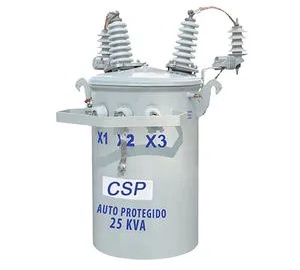
- Compact Box Transformer
Distributed systems emphasize more on:
- Fire prevention and environmental protection
- Installation flexibility
- Ease of operation and maintenance
5、 Requirements for key technical parameters of transformers in photovoltaic systems
5.1Rated capacity and efficiency curve
The power generation of photovoltaic systems varies significantly over time, so transformer selection should focus on:
- Efficiency in the 30% -70% load range
- No load loss level
- Short term overload capacity
High quality photovoltaic transformers can maintain low losses under non full load conditions.
5.2Wiring method and grid adaptability
Common wiring methods include Dyn11, Ynd11, 等. A reasonable wiring method can help:
- Suppress zero sequence current
- Improve voltage stability
- Improve grid compatibility
5.3Insulation level and environmental adaptability
Photovoltaic power plants are often built in complex environments such as deserts, plateaus, および沿岸地域, which require higher requirements for transformers:
- High temperature resistance level
- 防湿, 塩水噴霧耐性, and dust-proof design
- Strong UV and aging resistance
6、 New challenges for transformers under the trend of photovoltaic+energy storage
With the rapid development of the “photovoltaic+energy storage” システム, the operation mode of transformers has undergone significant changes:
- Bidirectional power flow
- Frequent switching between charging and discharging
- More complex grid interactions
This has promoted the application of high-efficiency, 低損失, and intelligent transformers.
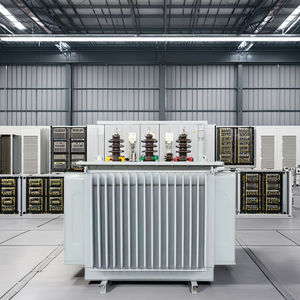
photovoltaic transformer
7、 The intelligent and digital development of photovoltaic transformers
Modern photovoltaic power plants are evolving towards digitization and intelligence, and transformers are gradually becoming intelligent nodes:
- Online temperature monitoring
- 部分放電監視
- Status assessment and warning
- Remote operation and maintenance management
These technologies have significantly improved system security and operational efficiency.
8、 The Development Direction of Photovoltaic Transformers from the Global Market Perspective
The continuous growth of photovoltaic investment in Europe, 中東, アフリカ, Latin America and other regions has put forward higher requirements for transformers:
- IEC/IEEE standard compliance
- Customized voltage and capacity
- High reliability and long lifespan design
将来, truly competitive photovoltaic transformers will be part of the system solution rather than a single device.
The long-term stable operation of photovoltaic systems relies on the support of professional transformers
As photovoltaic power generation moves from “scale expansion” に “quality improvement”, the importance of transformers is constantly highlighted. Only by deeply understanding the operational characteristics of photovoltaic systems can we design and select transformers that are truly suitable for photovoltaic applications.
For photovoltaic project developers, EPC請負業者, and equipment purchasers, choosing the appropriate photovoltaic transformer is one of the key decisions to ensure long-term profitability and safe operation of the project.
洛陽大唐能源科技有限公司, 株式会社. Rを統合したハイテク企業です&D, 変圧器などの電力機器の製造・供給, 新しいエネルギー成分, 配電盤とインバータ. 技術革新を核に, 私たちは、世界中の顧客にサービスを提供するために、高信頼性と高性能の電源ソリューションの開発に注力しています。. 厳格な品質管理システムと国際規格認証を取得しています。, これからも優れた製品を世に送り出し、お客様の安全・安定した電力システムの構築をお手伝いします.