


電子部品サプライヤー | トランスフォーマー, インダクタ, インバータ


高圧変流器
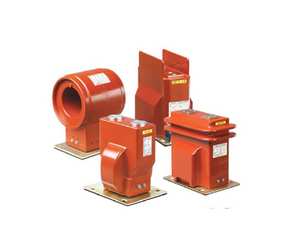
高圧変圧器 フェライトコア 電力変圧器 高周波変流器
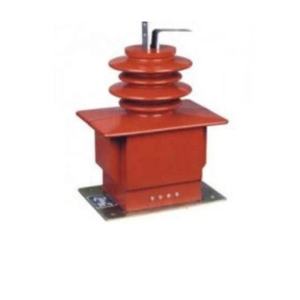
24W 12V AC/DC 調整可能なスイッチング電源ハイパワー 200-240VAC 電流電圧変圧器電源アダプタ PC 材料 1A
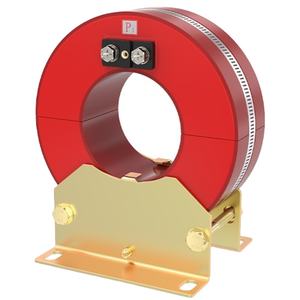
カスタマイズ可能な単相大電流絶縁変圧器低電圧高電流変圧器の仕様
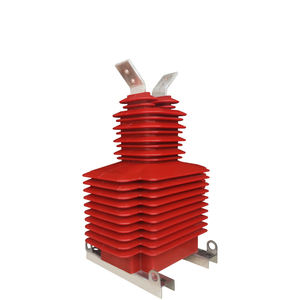
45-6800kVA 12kV 15kV 24kV 36kV カスタマイズされた入力 UL 認定ハイパワーパッドマウント電源トランス コンパクト変電所
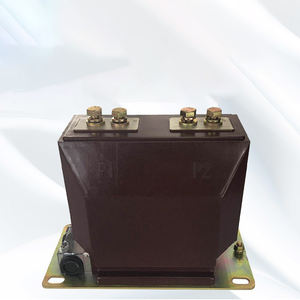
China High Voltage Current 110 ボルト 220 ボルト 12V DC 240V AC コンバータ変圧器スイッチング SMPS 変圧器
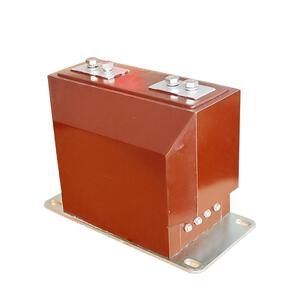
CE/ISO 認定シールド付き単相絶縁トランス、ノイズ耐性 110V/220V/380V 出力電圧オプション
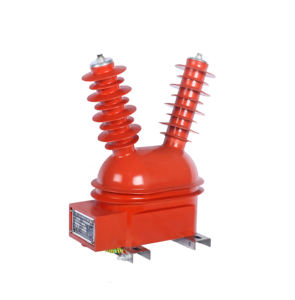
11kV 高電圧三相ゼロシーケンス CT 変流器、周波数 50Hz

400 クバ 500kva 630 クヴァ 1500 Kva 入力出力 50/60Hz 三相油入配電変圧器
高電圧電気 AC/DC 24v-36v スイッチング電源 1.2A-2A 高電流トランス 32 ボルト 2Amp
24kV 高電圧電流センサー ロゴスキーコイル フレキシブルプローブ トロイダル変流器
S11/S13 フルシリーズ 50-5000KVA 高電圧三相変圧器小型高圧変流器
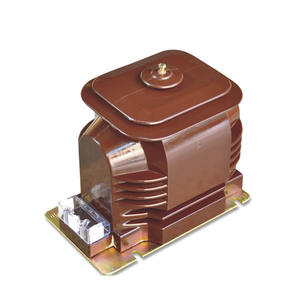
屋内/屋外用高圧変流器 &変圧器, 変圧器CT, PT
高圧変流器の概要
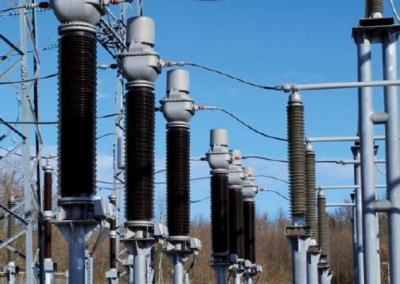
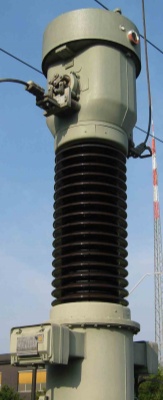
高圧変流器 (CT) 不可欠です 計器用変圧器 大電流を安全に測定および監視するために電力システムで使用されます. 送電線の高電流レベルを次のように変換します。 比例した低電流信号 メーターで使用できるもの, 保護リレー, および監視装置.
これらの変圧器は広く使用されています。 発電所, 変電所, および高圧送電網, 正確な電流測定と電力システム機器の信頼性の高い保護を保証します。.
高電圧変流器の仕組み
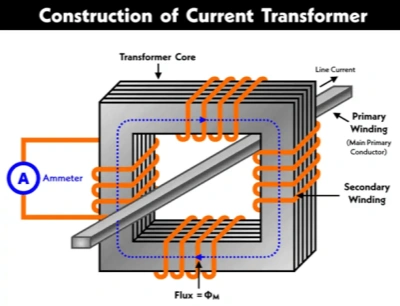
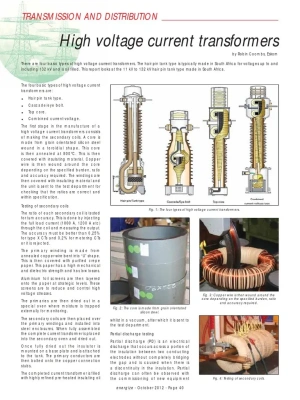
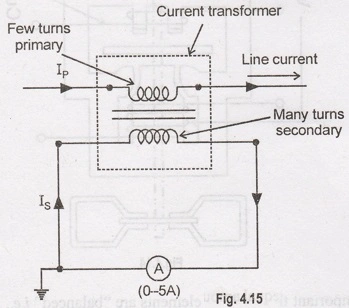
High-Voltage Current Transformers
高圧変流器 (CT) operate based on the principle of 電磁誘導, converting large primary currents in high-voltage power systems into smaller, standardized secondary currents that can be safely measured and monitored.
The current transformer provides electrical isolation between the high-voltage primary circuit and the low-voltage measurement and protection equipment. It is therefore an important component in power-system measurement, 監視, コントロール, そして保護.
| 成分 | 関数 |
|---|---|
| 一次導体 | Carries the high current from the power system and generates the primary magnetic field. |
| 磁気コア | Provides a low-reluctance path for magnetic flux and improves electromagnetic coupling between the primary and secondary circuits. |
| 二次巻線 | Produces a reduced current proportional to the primary current for measurement and protection purposes. |
| 断熱システム | Provides electrical insulation between high-voltage conductors and grounded or low-voltage components. |
| 保護ハウジング | Protects the internal components from mechanical damage, 水分, ほこり, and environmental conditions. |
| Terminal / Connection System | Provides reliable electrical connections between the secondary winding and external measuring or protection equipment. |
| Shielding and Grounding Components | Help control electric-field distribution and improve operational safety and insulation performance. |
Operating Principle
When an alternating current flows through the primary conductor, it produces an alternating magnetic flux in the magnetic core. According to Faraday's law of electromagnetic induction, this changing magnetic flux induces a voltage in the secondary winding.
Under normal operating conditions, the secondary current is approximately proportional to the primary current according to the transformer turns ratio:
どこ:
- = primary current
- = secondary current
- = number of primary turns
- = number of secondary turns
例えば, a CT rated 1000/5 あ is designed to produce approximately 5 A of secondary current when the primary current is 1000 あ.
Standard Secondary Output
標準的な二次電流出力は次のとおりです。 1 A or 5 あ, allowing conventional measuring instruments, 保護リレー, メートル, and monitoring devices to process high primary currents without being directly connected to the high-current circuit.
Compared with 5 A systems, 1 A secondary CTs can reduce transmission losses and voltage drop in long secondary wiring, making them particularly useful where the distance between the CT and monitoring equipment is relatively large.
Main Applications
High-voltage current transformers are widely used in:
- Power-system current measurement
- Overcurrent and short-circuit protection
- 差動保護
- Transformer protection
- Busbar protection
- Energy metering
- Substation monitoring and automation
- Grid fault detection and analysis
Depending on the application, CTs can be designed with different accuracy classes and characteristics. Metering CTs emphasize measurement accuracy over the normal operating range, その間 protection CTs are designed to maintain suitable performance during high fault currents.
Key Performance Parameters
Important specifications of a high-voltage CT typically include:
| パラメータ | 説明 |
|---|---|
| Rated Primary Current | The primary current for which the CT is designed. |
| Rated Secondary Current | いつもの 1 A or 5 あ. |
| Transformation Ratio | Defines the relationship between primary and secondary current. |
| 精度クラス | Indicates the allowable measurement error under specified conditions. |
| Rated Burden | The load that can be connected to the secondary while maintaining specified performance. |
| 断熱レベル | Defines the CT's ability to withstand specified voltage and transient stresses. |
| 頻度 | Usually designed for the power-system operating frequency, のような 50 または 60 Hz. |
| Short-Time Thermal Current | The maximum fault current the CT can withstand for a specified short duration. |
| Rated Dynamic Current | Indicates the CT's ability to withstand the mechanical forces associated with high fault currents. |
Safety Consideration
One of the most important characteristics of a current transformer is that its secondary circuit should not normally be left open while current is flowing in the primary circuit. An open secondary can result in a dangerously high secondary voltage and may cause insulation failure, 機器の損傷, または感電.
このため, CT secondary circuits are normally connected to an appropriate measuring or protection circuit, そして shorting terminals or test blocks are commonly provided for maintenance and testing.
まとめ
In modern high-voltage power systems, current transformers serve as an important interface between high-current power circuits and low-level measurement and protection systems. By using electromagnetic induction, they provide accurate current transformation, electrical isolation, and compatibility with standardized protection and monitoring equipment. Their performance depends not only on the transformation ratio but also on core design, insulation structure, accuracy class, burden, saturation characteristics, and short-circuit withstand capability.t output is 1Aまたは5A, 監視装置によって安全に測定できる.
高圧変流器の種類
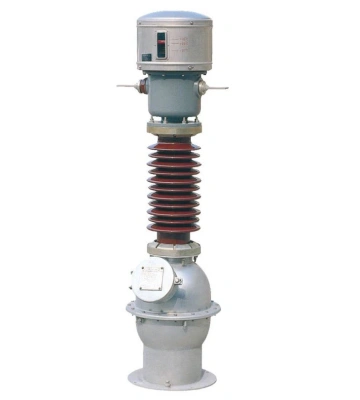
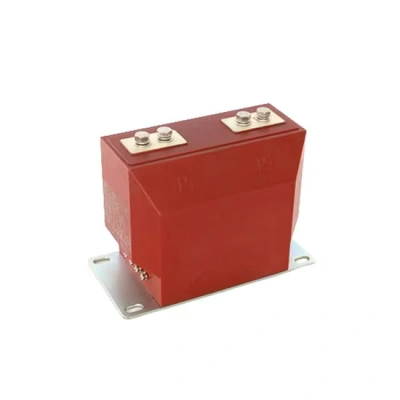
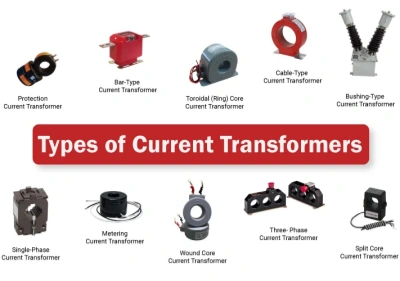
- 油入変流器 – 屋外高圧変電所で使用.
- 鋳造樹脂変流器 – 屋内開閉装置システムに最適.
- リング型変流器 – 導体の周囲に設置して測定.
- 屋外計器用変圧器 – 高電圧送電ネットワーク向けに設計.
高圧変流器の利点
- 正確な電流測定 電力系統監視用
- 保護の向上 電気機器および回路用
- 高い絶縁強度 高電圧用途向け
- 確実な動作 変電所および送電システム内
- コンパクトで耐久性に優れた設計
会社概要
洛陽大唐能源科技有限公司, 株式会社. Rを統合したハイテク企業です&D, 製造業, 電力機器や再生可能エネルギーソリューションの提供. 変圧器の専門店, 新しいエネルギー成分, 配電盤, とインバータ, 当社は太陽光発電システムを含むポートフォリオを拡大しました。, エネルギー貯蔵ソリューション, および空気熱源ヒートポンプ. 技術革新を核に, 当社は、世界中の顧客にサービスを提供するために、高信頼性と高性能の電力およびエネルギー効率のソリューションを作成することに重点を置いています。. 厳格な品質管理システムと国際規格認証を経て, 私たちは、お客様が安全に建築できるよう支援する優れた製品を継続的に提供します。, 安定した, 持続可能な電力システム.
高品質を求めるなら, 高圧変流器 サプライヤー, 関連製品に関するお問い合わせやご質問をお待ちしております。.
お支払い方法高い-電圧変流器
信用状, T/T, ウエスタンユニオン, ペイパル, クレジットカードなど.
の発送高い-電圧変流器
支払いが受領されたら, 海によって, 空気, またはできるだけ早く速達してください.
高圧変流器のよくある質問
1. 変流器とは何ですか (CT)?
A current transformer (CT) is an instrument transformer designed to convert high primary currents into smaller, standardized secondary currents for safe measurement, 監視, そして保護.
CTs provide electrical isolation between the high-voltage power circuit and low-voltage measuring or protection equipment, allowing meters and protective relays to monitor system current without being directly connected to the high-current conductor.
2. How does a high-voltage current transformer work?
A high-voltage CT operates according to the principle of 電磁誘導. When alternating current flows through the primary conductor, it generates a changing magnetic flux in the CT core.
This changing magnetic flux induces a current in the secondary winding. The secondary current is proportional to the primary current according to the transformer's turns ratio.
例えば, ある 1000/5 A CT produces approximately 5 A of secondary current when the primary current reaches 1000 あ.
3. 高圧CTはどこで使われているのか?
High-voltage current transformers are commonly installed in:
- Electrical substations
- 発電所
- Transmission and distribution systems
- High-voltage switchgear
- Transformer protection systems
- Industrial power networks
- Grid monitoring and automation systems
They can be used for both continuous current measurement そして fault-current detection.
4. CTの標準二次電流はいくらですか?
The most common standardized secondary current ratings are 1 A and 5 あ.
あ 5 A secondary output has traditionally been widely used in conventional protection and metering systems. あ 1 A secondary output can be advantageous when the CT is installed far from the measuring or protection equipment because it can reduce losses and voltage drop in the secondary wiring.
The appropriate secondary rating should be selected according to the connected equipment and system design.
5. What does a CT ratio mean?
The CT ratio describes the relationship between the rated primary current and the rated secondary current.
例えば:
- 200/5 あ → 200 A primary corresponds to 5 A secondary
- 600/5 あ → 600 A primary corresponds to 5 A secondary
- 1000/1 あ → 1000 A primary corresponds to 1 A secondary
Selecting the appropriate ratio is important for achieving accurate measurement and ensuring that protection equipment operates correctly.
6. 電力システムにおいて CT が重要な理由?
CTs allow high currents in electrical networks to be measured without directly connecting measurement instruments to high-current conductors.
They are important because they provide:
- Current measurement
- Electrical isolation
- 故障検出
- Overcurrent protection
- Energy metering
- System monitoring
- Protection relay inputs
結果として, CTs play an important role in maintaining the 信頼性, 安全性, and controllability of high-voltage electrical systems.
7. Can high-voltage CTs be used for protection relays?
はい. Current transformers are widely used with 保護リレー.
During abnormal conditions such as short circuits or severe overloads, the CT provides a current signal to the protection relay. The relay analyzes the signal and can initiate the appropriate circuit-breaker operation to isolate the fault.
Protection CTs are generally designed with characteristics suitable for maintaining reliable performance during high fault currents.
8. What is the difference between metering CTs and protection CTs?
Metering CTs and protection CTs are designed for different purposes.
Metering CTs are optimized for high accuracy within their specified measurement range and are commonly connected to electricity meters and monitoring instruments.
Protection CTs are designed to provide an appropriate current signal to protective relays, particularly during fault conditions when the primary current can become many times higher than its normal operating value.
The selection between the two depends on the intended application and the requirements of the electrical protection or measurement system.
9. What is CT accuracy class?
The accuracy class indicates the allowable measurement error of a CT under specified operating conditions.
For metering applications, accuracy is particularly important because even small measurement errors can affect energy measurement and billing.
For protection applications, the CT's ability to reproduce current accurately during high fault conditions and avoid excessive saturation is particularly important.
The appropriate accuracy class should therefore be selected according to the requirements of the connected equipment and applicable standards.
10. What is CT burden?
CT burden refers to the load connected to the CT secondary circuit, generally expressed in VA at a specified power factor.
The burden can include:
- Protective relays
- Measuring instruments
- Meters
- Test equipment
- Secondary wiring
If the connected burden exceeds the CT's rated capability, measurement accuracy and protection performance may be affected. したがって, the CT should be selected with a suitable burden rating for the complete secondary circuit.