전자 부품 공급업체 | 트랜스포머, 인덕터, 인버터


소개
In the realm of electrical power transmission and distribution, 도자기 고전압 절연체 remain indispensable components for ensuring system safety and reliability. 이러한 특수 절연체는 원치 않는 전류 흐름을 방지합니다., 인프라를 보호하다, and enable efficient electricity delivery across vast distances. With the global push toward renewable energy and grid modernization, the demand for advanced 도자기 고전압 절연체 is stronger than ever. This comprehensive guide explores the technology, 애플리케이션, and future trends of these critical components, providing valuable insights for engineers, utility professionals, and industry stakeholders.

고전압 세라믹 절연체
1.1 What Are Porcelain High Voltage Insulators?
Porcelain high voltage insulators are ceramic components designed to isolate and support electrical conductors in high voltage applications. Manufactured from high-purity clay materials fired at extreme temperatures, these insulators exhibit exceptional dielectric strength, mechanical durability, and environmental resistance. Their unique properties make them ideal for overhead power lines, 변전소, and other critical electrical infrastructure.
1.2 Key Advantages of Porcelain Insulators
1.2.1 Superior Electrical Performance
Porcelain high voltage insulators offer excellent dielectric properties, with typical withstand voltages exceeding 100 kV per unit. Their non-porous surface prevents surface tracking and maintains insulation integrity even in contaminated environments.
1.2.2 Exceptional Mechanical Strength
With compressive strength exceeding 50,000 psi, 도자기 고전압 절연체 can withstand extreme mechanical loads, including ice accumulation, wind forces, and conductor tension.
1.2.3 환경 저항
These insulators demonstrate outstanding resistance to UV radiation, temperature cycling (-60°C to +80°C), and chemical corrosion, ensuring decades of reliable service in harsh conditions.
1.3 Applications of Porcelain High Voltage Insulators
- Overhead Transmission Lines: Suspension and tension insulators for voltages up to 1,100 kV
- Substation Equipment: Support insulators for transformers, 회로 차단기, 및 부스바
- Railway Electrification: Insulation for catenary systems and traction power supply
- Renewable Energy Projects: Grid connection of wind and solar farms
- Industrial Power Systems: Isolation for heavy machinery and high-voltage equipment
1.4 Manufacturing Process and Quality Control
1.4.1 Material Selection
High-quality kaolin clay, 석영, and feldspar are carefully proportioned to achieve optimal electrical and mechanical properties in도자기 고전압 절연체.
1.4.2 Forming and Firing
Advanced techniques including wet pressing, extrusion, and isostatic pressing create precise shapes, followed by high-temperature firing (1,300-1,400℃) to achieve vitrification.
1.4.3 Testing and Certification
Every batch of도자기 고전압 절연체 undergoes rigorous testing including:
- Power frequency withstand tests
- Impulse voltage tests
- Mechanical load tests
- Thermal shock tests
1.5 Comparison with Alternative Materials
1.5.1 Porcelain vs. Polymer Insulators
While polymer insulators offer lighter weight, 도자기 고전압 절연체 provide:
- Longer proven service life (50+ 연령)
- Better resistance to vandalism and wildlife damage
- Superior performance in desert and coastal environments
1.5.2 Porcelain vs. Glass Insulators
Both materials offer excellent performance, but도자기 고전압 절연체 generally demonstrate:
- Higher mechanical strength
- Better impact resistance
- More consistent manufacturing quality
1.6 최신 기술 혁신
1.6.1 Nanotechnology Enhancements
New nano-coatings improve the self-cleaning properties of도자기 고전압 절연체, reducing maintenance requirements in polluted areas.
1.6.2 Smart Insulator Technology
Integrated sensors in도자기 고전압 절연체 now provide real-time monitoring of:
- Voltage distribution
- Mechanical load
- Temperature gradients
- Pollution levels
1.6.3 Eco-Friendly Manufacturing
Advanced production methods reduce energy consumption by 30% and incorporate recycled materials, making modern도자기 고전압 절연체 more sustainable.
1.7 Selection and Maintenance Guidelines
1.7.1 선택 기준
When choosing도자기 고전압 절연체, 고려하다:
- System voltage and BIL requirements
- Environmental conditions (pollution level, altitude)
- Mechanical load requirements
- Installation and maintenance accessibility
1.7.2 Maintenance Best Practices
Regular inspection and maintenance of도자기 고전압 절연체 should include:
- Visual inspection for cracks or damage
- Cleaning in contaminated environments
- Corona ring installation for extra-high voltage applications
- Periodic dielectric testing
1.8 Future Trends and Market Outlook
The global market for도자기 고전압 절연체 is projected to reach $5.2 10억 단위로 2028, driven by:
- Grid modernization initiatives worldwide
- Increasing renewable energy integration
- Growing investments in HVDC transmission projects
- Replacement of aging infrastructure in developed economies

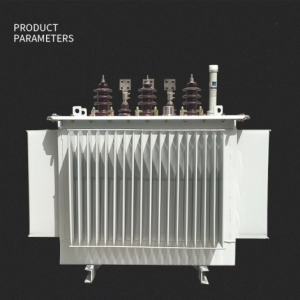
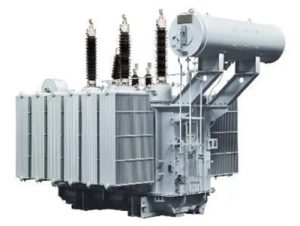
High voltage transformer porcelain bushing
결론
Porcelain high voltage insulators continue to be the backbone of electrical power systems worldwide. Their proven reliability, exceptional performance, and ongoing technological innovations ensure they will remain critical components in the evolving energy landscape. As utilities and industries continue to demand higher efficiency and reliability, 도자기 고전압 절연체 will play an increasingly important role in powering our future.
낙양대당에너지기술유한회사, 주식회사. R을 통합하는 하이테크 기업입니다.&디, 변압기 등 전력기기 제조 및 공급, 새로운 에너지 성분, 배전 캐비닛 및 인버터. 기술혁신을 핵심으로, 우리는 글로벌 고객에게 서비스를 제공하기 위해 높은 신뢰성과 고성능 전력 솔루션을 만드는 데 중점을 두고 있습니다.. 엄격한 품질관리 시스템과 국제표준 인증으로, 앞으로도 우수한 제품을 생산하여 고객이 안전하고 안정적인 전력시스템을 구축할 수 있도록 하겠습니다..