전자 부품 공급업체 | 트랜스포머, 인덕터, 인버터


소개
Power distribution transformers are critical components in electrical networks, 발전소에서 가정까지 효율적인 전기 공급 보장, 기업, 및 산업. 글로벌 에너지 수요가 증가하고 스마트 그리드 기술이 발전함에 따라, the role of distribution transformers is evolving. This article explores their function, 종류, latest innovations, and how choosing the right transformer can enhance energy efficiency and reliability.

What Is a Power Distribution Transformer?
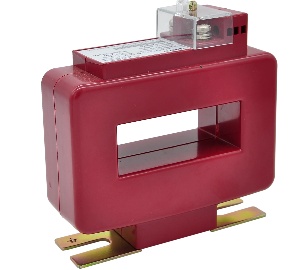
에이power distribution transformer is a static electrical device that steps down high-voltage electricity from transmission lines to lower voltages (typically 120V-480V) suitable for end-use. These transformers are essential for minimizing energy loss and ensuring safe, stable power supply across communities.
주요 기능:
- Voltage Reduction – Converts high-voltage electricity to usable levels.
- 에너지 효율성 – Reduces transmission losses.
- 그리드 안정성 – Maintains consistent voltage for appliances and machinery.
Types of Power Distribution Transformers
Different applications require specific transformer designs. The most common types include:
1. 기름에 잠긴 변압기
- 냉각 및 절연을 위해 절연유를 사용합니다..
- Common in outdoor installations (utility poles, 변전소).
- Require regular maintenance to prevent oil leaks.
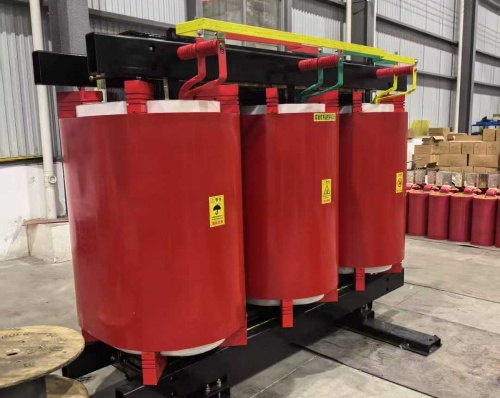
2. 건식 변압기
- 공냉식, 가연성 기름 없음.
- Ideal for indoor use (병원, 데이터 센터, 상업용 건물).
- Lower fire risk, eco-friendly.
3. 패드 장착 변압기
- 콤팩트, ground-level units for suburban/urban areas.
- Tamper-resistant and safe for public spaces.
4. 스마트 트랜스포머
- Integrated with IoT sensors for real-time monitoring.
- Enable predictive maintenance and energy optimization.
Latest Trends in Distribution Transformer Technology
The transformer industry is undergoing significant advancements to meet modern energy needs:
1. Energy-Efficient Designs (Amorphous Core Transformers)
- Use amorphous metal cores, reducing energy loss by 30% compared to traditional silicon steel.
- Lower operational costs and carbon footprint.
2. 스마트 그리드 통합
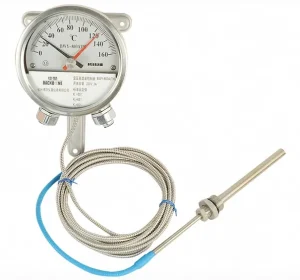
- IoT-enabled transformers provide real-time data on load, 온도, 그리고 결점.
- Enhance grid reliability through remote diagnostics.
3. 재생 에너지 호환성
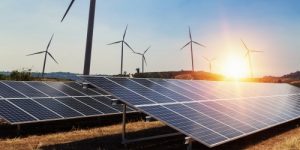
- Modern transformers support solar/wind power integration.
- Handle variable loads from distributed energy resources (DER).
4. 친환경 대안
- Biodegradable insulating fluids (ester-based oils) replace traditional mineral oil.
- Reduce environmental risks from leaks.
Why Choosing the Right Transformer Matters
Selecting the optimal distribution transformer impacts:
✔에너지 효율성 – High-efficiency models reduce electricity waste.
✔수명 & 신뢰할 수 있음 – Quality transformers last25-30 연령 with minimal failures.
✔Safety Compliance – Fire-resistant and explosion-proof options for high-risk areas.
✔비용 절감 – Lower maintenance and operational expenses over time.
How to Select the Best Distribution Transformer
변압기를 선택할 때, 고려하다:
- Load Requirements – Match transformer capacity (kVA) to expected demand.
- Installation Environment – Indoor (건식) 대. outdoor (기름에 잠긴).
- Efficiency Standards – 찾아보세요 IEEE C57.91 or DOE 2016 규정 준수.
- 스마트 기능 – IoT monitoring for predictive maintenance.
- Future-Proofing – Ensure compatibility with renewable energy sources.
결론
Power distribution transformers are indispensable for modern electricity networks, evolving with smart technologies and sustainability trends. Investing in the right transformer—whether oil-cooled, 건식, or smart-enabled—ensures long-term efficiency, 안전, and cost savings.
As grids become smarter and greener, staying updated on transformer innovations will help businesses and utilities optimize energy distribution.