Fournisseur de composants électroniques | Transformateurs, Inducteurs, Onduleurs


Introduction
Power distribution transformers are critical components in electrical networks, assurer une livraison efficace de l’électricité des centrales électriques aux foyers, entreprises, et les industries. À mesure que la demande énergétique mondiale augmente et que les technologies de réseaux intelligents progressent, the role of distribution transformers is evolving. This article explores their function, genres, latest innovations, and how choosing the right transformer can enhance energy efficiency and reliability.

What Is a Power Distribution Transformer?
UNpower distribution transformer is a static electrical device that steps down high-voltage electricity from transmission lines to lower voltages (typically 120V-480V) suitable for end-use. These transformers are essential for minimizing energy loss and ensuring safe, stable power supply across communities.
Fonctions clés:
- Voltage Reduction – Converts high-voltage electricity to usable levels.
- Efficacité énergétique – Reduces transmission losses.
- Stabilité du réseau – Maintains consistent voltage for appliances and machinery.
Types of Power Distribution Transformers
Different applications require specific transformer designs. The most common types include:
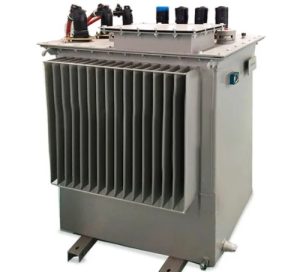
1. Transformateurs immergés dans l'huile
- Use insulating oil for cooling and insulation.
- Common in outdoor installations (utility poles, sous-stations).
- Require regular maintenance to prevent oil leaks.
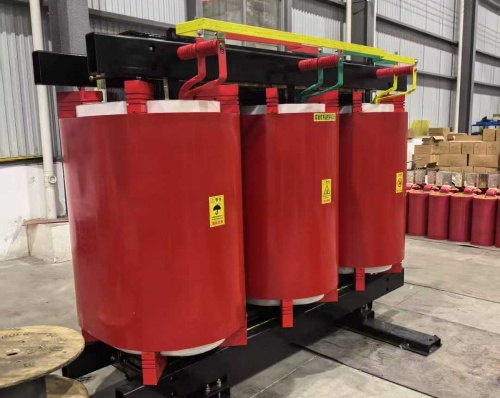
2. Transformateurs de type sec
- Refroidi par air, no flammable oil.
- Ideal for indoor use (hôpitaux, centres de données, bâtiments commerciaux).
- Lower fire risk, écologique.
3. Transformateurs montés sur socle
- Compact, ground-level units for suburban/urban areas.
- Tamper-resistant and safe for public spaces.
4. Transformateurs intelligents
- Integrated with IoT sensors for real-time monitoring.
- Enable predictive maintenance and energy optimization.
Latest Trends in Distribution Transformer Technology
The transformer industry is undergoing significant advancements to meet modern energy needs:
1. Energy-Efficient Designs (Amorphous Core Transformers)
- Use amorphous metal cores, reducing energy loss by 30% compared to traditional silicon steel.
- Lower operational costs and carbon footprint.
2. Intégration du réseau intelligent
- IoT-enabled transformers provide real-time data on load, température, and faults.
- Enhance grid reliability through remote diagnostics.
3. Compatibilité des énergies renouvelables
- Modern transformers support solar/wind power integration.
- Handle variable loads from distributed energy resources (DER).
4. Eco-Friendly Alternatives
- Biodegradable insulating fluids (ester-based oils) replace traditional mineral oil.
- Reduce environmental risks from leaks.
Why Choosing the Right Transformer Matters
Selecting the optimal distribution transformer impacts:
✔Efficacité énergétique – High-efficiency models reduce electricity waste.
✔Durée de vie & Fiabilité – Quality transformers last25-30 années with minimal failures.
✔Safety Compliance – Fire-resistant and explosion-proof options for high-risk areas.
✔Économies de coûts – Lower maintenance and operational expenses over time.
How to Select the Best Distribution Transformer
Lors du choix d'un transformateur, considérer:
- Load Requirements – Match transformer capacity (kVA) to expected demand.
- Installation Environment – Indoor (type sec) contre. outdoor (oil-immersed).
- Efficiency Standards – Rechercher IEEE C57.91 or DOE 2016 conformité.
- Fonctionnalités intelligentes – IoT monitoring for predictive maintenance.
- Future-Proofing – Ensure compatibility with renewable energy sources.
Conclusion
Power distribution transformers are indispensable for modern electricity networks, evolving with smart technologies and sustainability trends. Investing in the right transformer—whether oil-cooled, type sec, or smart-enabled—ensures long-term efficiency, sécurité, and cost savings.
As grids become smarter and greener, staying updated on transformer innovations will help businesses and utilities optimize energy distribution.
ARTICLES CONNEXES
Haut 10 Accessoires de transformateur dont chaque projet électrique a besoin 2026: Mon guide pratique d’approvisionnement
Transformateurs remplis d'huile hermétiquement fermés: La solution électrique sans entretien pour les réseaux modernes

250 Prix du transformateur kVA: Un guide d’achat complet (2024 Mise à jour)
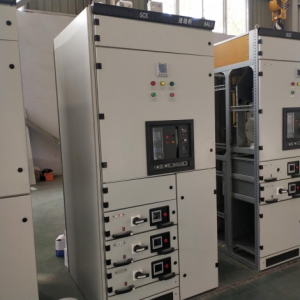
Les appareillages électriques haute et basse tension sont largement utilisés dans divers domaines, soutenir le développement de l’industrie électrique

L'onduleur de stockage d'énergie bidirectionnel accélère le nettoyage énergétique domestique