전자 부품 공급업체 | 트랜스포머, 인덕터, 인버터


1.태양광 프로젝트가 변압기 선택에 주의를 기울여야 하는 이유?
In photovoltaic project investment, 변압기 비용은 가장 높은 비율을 구성하지 않습니다., 하지만 시스템 안전에 큰 영향을 미칩니다., grid compliance, and long-term returns. Incorrect selection may lead to:
- Grid connection failure
- The operation and maintenance costs have increased
- System efficiency decreases
그러므로, the requirements for transformers in photovoltaic projects have shifted from “being able to use” 에게 “being able to use for a long time, stably, and efficiently”.
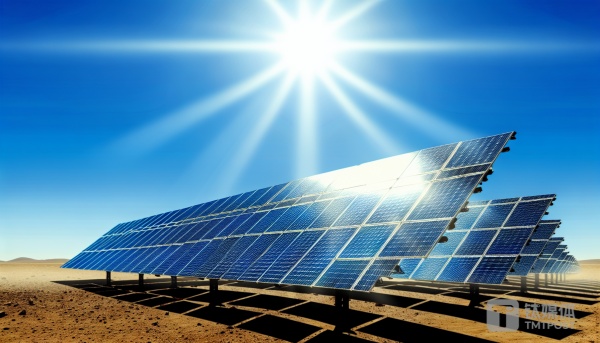
태양광 발전
2.Core technical parameters for selecting photovoltaic transformers
2.1 정격 용량 및 효율 곡선
Photovoltaic systems do not operate at full capacity throughout the day. Reasonable capacity allocation should focus on:
- Low load efficiency
- Long-term operational wear and tear
- Short-term overload capacity
High-quality photovoltaic transformers typically maintain high efficiency within the 30%–70% load range.
2.2 Voltage level and wiring method
Common grid-connected voltages include:
- 10kV
- 20kV
- 35kV
Common wiring methods such as Dyn11, Ynd11, 등., a reasonable wiring design can:
- 전력 품질 개선
- Reduce zero-sequence current
- Enhance grid-connected stability
3.Application comparison between dry-type transformers and oil-immersed transformers
3.1 Advantages of dry-type transformers in photovoltaics
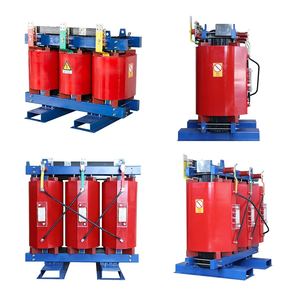
Dry-type transformers are suitable for:
- rooftop photovoltaic
- Indoor power distribution
- Places with high fire prevention requirements
Its characteristics include:
- Oil-free and environmentally friendly
- 유지 관리가 용이함
- High security
3.2 Performance advantages of oil-immersed transformers
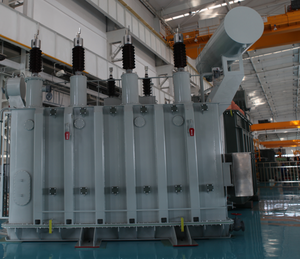
In large-scale ground-mounted photovoltaic power stations, oil-immersed transformers remain the mainstream choice, with their advantages being:
- Lower loss
- Strong heat dissipation capacity
- The cost advantage is evident
With the application of environmentally friendly insulating oil, its environmental adaptability continues to improve.
4.The challenge posed by photovoltaic grid integration to transformer reliability
Photovoltaic grid connection demands extremely high stability from equipment, and transformers must possess:
- 높은 절연 수준
- Good temperature rise control
- Lightning protection, moisture resistance, and salt spray resistance
Especially in environments such as deserts, 고원, 및 해안 지역, design margin is particularly important.
5.The intelligent development trend of photovoltaic transformers
With the rise of digital power stations, transformers are gradually becoming intelligent nodes:
- 온라인 온도 모니터링
- Partial Discharge Monitoring
- remote operation and maintenance
- Status warning
Intelligentization not only enhances safety but also significantly reduces total lifecycle costs.
6.Future opportunities of photovoltaic transformers from a market perspective
The continuous expansion of global photovoltaics brings not a short-term opportunity, but long-term structural demand. 미래에, competitive transformer enterprises often possess:
- Photovoltaic dedicated product line
- International certification capability
- Customized solution capability
The increasing complexity of photovoltaic systems will continuously enhance the market value of high-quality transformers.
낙양대당에너지기술유한회사, 주식회사. R을 통합하는 하이테크 기업입니다.&디, 변압기 등 전력기기 제조 및 공급, 새로운 에너지 성분, 배전 캐비닛 및 인버터. 기술혁신을 핵심으로, 우리는 글로벌 고객에게 서비스를 제공하기 위해 높은 신뢰성과 고성능 전력 솔루션을 만드는 데 중점을 두고 있습니다.. 엄격한 품질관리 시스템과 국제표준 인증으로, 앞으로도 우수한 제품을 생산하여 고객이 안전하고 안정적인 전력시스템을 구축할 수 있도록 하겠습니다..