Leverancier van elektronische componenten | Transformatoren, Inductoren, Omvormers


Distributietransformatoren zijn essentiële componenten in het stroomleveringsnetwerk, zorgen voor spanningsniveaus die geschikt zijn voor woningen, commercieel, en industriële belastingen. Echter, transformatorstoringen are common and can lead to significant operational and financial losses. Understanding the root causes, preventive strategies, and effective operational management is crucial for minimizing downtime and extending transformer lifespan.
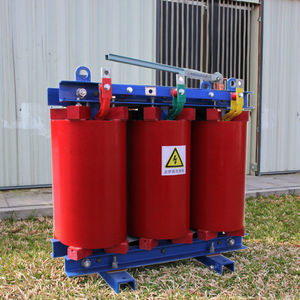
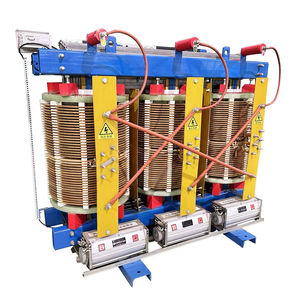
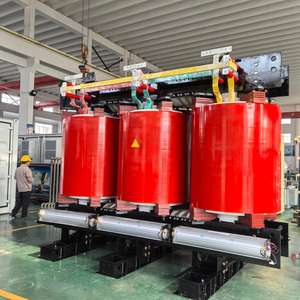
1. Common Causes of Transformer Failure
1.1 Absence or Improper Use of Fuses
Many distribution transformers operate without proper fuses on the high- and low-voltage sides. Some transformers have drop-out fuses or horn-type fuses, but the fuse elements are often replaced by aluminum or copper wires. When a low-voltage short-circuit or overload occurs, these makeshift elements fail to break the circuit, causing transformer burnout.
Table 1: Fuse Requirements by Transformer Capacity
| Transformatorcapaciteit | Recommended High/Low Voltage Fuse Rating | Notes |
|---|---|---|
| ≤100 kVA | 2.0–3.0 × rated current | Low-voltage side slightly above rated |
| >100 kVA | 1.5–2.0 × rated current | Ensure proper protection without nuisance trips |
1.2 Incorrect Fuse Rating
Using oversized fuses is another major cause. Fuses rated above the transformer’s capability cannot prevent overloads, resulting in severe overheating and eventual burnout.
1.3 Phase Imbalance in Rural Networks
Rural distribution networks often operate with single-phase supply. Due to haphazard jumper connections and poor management, transformers may operate with unbalanced loads. Long-term phase imbalance causes insulation degradation in one phase, eventually burning out the transformer.
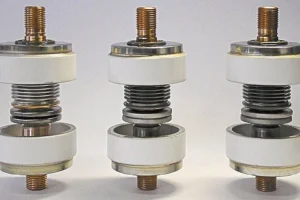
1.4 Tap Changer Issues
- Unauthorized adjustment of tap changers can result in improper contacts, leading to short circuits and transformer failure.
- Poor-quality tap changers may have incomplete star contact connections, causing arcing or ground discharge.
1.5 Oil Leakage and Insulation Degradation
Oil-filled transformers rely on oil for cooling and insulation. Na verloop van tijd, sealing gaskets and bushings may deteriorate, leading to oil leakage. Moisture ingress lowers insulation performance, causing discharges and transformer burnouts.
1.6 Lightning Strikes
Most high- and low-voltage distribution lines are overhead. Without timely installation of 10kV surge arresters, lightning strikes can destroy transformers.
1.7 Multiple Core Grounding
Improper grounding of transformer cores can lead to circulating currents, increasing the risk of internal faults and insulation breakdown.
1.8 Short-Circuit Stresses
When low-voltage side experiences a short circuit, currents up to 20–30 times the rated value flow through the transformer. This induces extreme mechanical stress on windings, potentially dislodging insulation and deforming coils.
1.9 Human-Induced Damage
- Copper-aluminum electrochemical corrosion at connections.
- Bushing flashovers due to poor maintenance.
2. Troubleshooting Transformers Burned in Three Days
When a new dry-type transformer fails shortly after commissioning, follow these steps:
- Verify if the location has a history of failures.
- Identify the failure area (bijv., terminals, hoogspanningszijde).
- Check environmental conditions (vochtigheid, afdichting).
- Observe smoke timing for patterns.
- Measure load current; check for overload.
- Confirm supply voltage, frequentie, and presence of harmonics.
3. Preventive Measures
3.1 Proper Fuse Installation
- Install high- and low-voltage fuses during construction.
- Replace stolen or blown fuses promptly.
3.2 Correct Fuse Rating
- 100 kVA+ transformers: 1.5–2.0 × rated current.
- <100 kVA transformers: 2.0–3.0 × rated current.
3.3 Laadbeheer
- Measure transformer loads during peak periods.
- Balance three-phase loads to avoid neutral overcurrent.
3.4 Tap Changer Regulations
- Only qualified personnel may adjust tap changers.
- Do not adjust when voltage variation is within -10% naar +7%.
3.5 Lightning Protection
- Inspect and install surge arresters before the thunderstorm season.
3.6 Routine Maintenance and Inspections
- Monitor oil levels, kleur, and temperature.
- Inspect bushing surfaces, check for flashover marks.
- Use a megohmmeter to measure insulation resistance.
4. Daily Operation Management
4.1 Regular Patrols and Maintenance
- Clean dust and oil deposits.
- Ensure proper ventilation to prevent overheating.
- Monitor three-phase load currents and balance.
4.2 Protection Against External Damage
- Install transformers in accessible, safe locations.
- Avoid placing low-voltage metering boxes directly on transformers.
- Use insulating covers on high- and low-voltage terminals in areas with animals or debris.
- Regularly trim trees near overhead lines to prevent short circuits.
Distribution transformer reliability relies heavily on both technical design and operational management. By adhering to proper fuse configurations, balancing loads, ensuring lightning protection, and implementing regular maintenance, transformer burnouts can be significantly reduced. Effective management ensures longer service life, minimizes outages, en verlaagt de onderhoudskosten.
Luoyang Datang Energietechnologie Co., Ltd. is een hightech onderneming die R&D, productie en levering van stroomapparatuur zoals transformatoren, nieuwe energiecomponenten, verdeelkasten en omvormers. Met technologische innovatie als kern, we richten ons op het creëren van zeer betrouwbare en krachtige energieoplossingen om wereldwijde klanten te bedienen. Met een strikt kwaliteitscontrolesysteem en internationale standaardcertificering, we blijven uitstekende producten produceren en stellen klanten in staat veilige en stabiele energiesystemen te bouwen.
GERELATEERDE POSTEN

Gelijkrichterdiode en snel herstel: Twee sterren in vermogenselektronica
Door 2030, de discrete halfgeleidermarkt zal naar verwachting dit niveau bereiken $60.7603.2 miljard.
Hoe u een Transformer kiest Tik op Wisselaar: Een complete kopersgids voor nutsvoorzieningen, EPC-aannemers en transformatorfabrikanten

Het verschil tussen zonnepanelen met ingebouwde micro-omvormers en gewone zonnepanelen
De ultieme gids voor een hermetisch afgesloten, in olie ondergedompelde transformator van 1000 kVA