


Leverancier van elektronische componenten | Transformatoren, Inductoren, Omvormers


Driefasige spanningsregelaar

200KW driefasige gecompenseerde spanningsregelaar Chinese fabrikant

Driefasige stabilisatorspanningsregelaar 100KVA Chinese fabrikant

Spanningsregelaar / Stabilisator (SBW-50KVA) Chinese fabrikant

150KVA / 380V spanningsregelaarstabilisator Chinese fabrikant

3 Fase 30kVA automatische spanningsregelaar Chinese fabrikant

driefasige spanningsregelaar 380v 80KVA Chinese fabrikant

250kva spanningsregelaar 380v controller Chinese fabrikant

400KVA-spanningsregelaar 380V 220V Chinese fabrikant

500KVA-spanningsregelaar 380v-controller Chinese fabrikant

Driefasige 380v automatische spanningsregelaar Chinese fabrikant

3fase krachtige 380V spanningsregelaar Chinese fabrikant

driefasige hete verkoop hoogspanningsregelaar Chinese fabrikant
Overzicht van driefasige spanningsregelaar
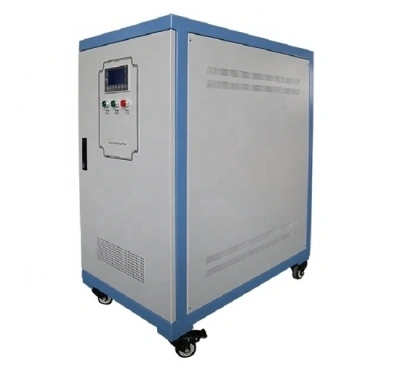
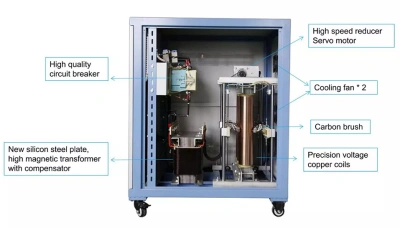
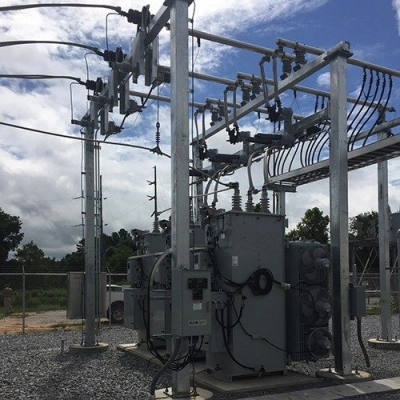
Driefasige spanningsregelaars zijn ontworpen om stabiliseren en reguleren van spanningsniveaus in driefasige energiesystemen. Ze zorgen voor een constante spanningstoevoer, het beschermen van elektrische apparatuur tegen spanningsschommelingen, pieken, en druppels.
Deze regelaars worden veel gebruikt in industriële installaties, fabrieken, datacentra, en energiedistributiesystemen, vooral waar een stabiele spanning van cruciaal belang is.
Hoe driefasige spanningsregelaars werken
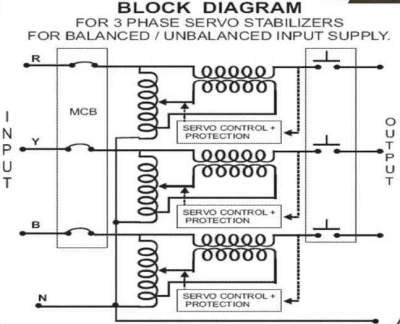
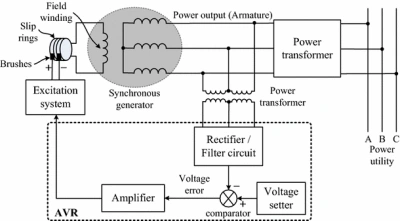
Spanningsregelaars passen de uitgangsspanning automatisch aan.
| Onderdeel | Functie |
|---|---|
| Transformator | Adjusts voltage levels according to system requirements |
| Controlesysteem | Detects voltage fluctuations and controls the regulation process |
| Servomotor / AVR | Automatically regulates output voltage |
| Voltage Sensing Unit | Measures the input and output voltage continuously |
| Control Panel | Displays operating parameters and allows system settings |
| Tik op Wisselaar | Changes transformer turns ratio to maintain the required voltage |
| Beschermingssysteem | Prevents overvoltage, onderspanning, overbelasting, and other abnormal conditions |
| Circuit Breaker | Disconnects the circuit during faults or abnormal operation |
| Bypass System | Allows the load to continue operating during maintenance or regulator failure |
| Koelsysteem | Controls operating temperature and helps prevent overheating |
| Surge Protection | Protects the regulator and connected equipment from voltage surges |
| Behuizing | Protects internal components from dust, vocht, en omgevingsomstandigheden |
Soorten driefasige spanningsregelaars
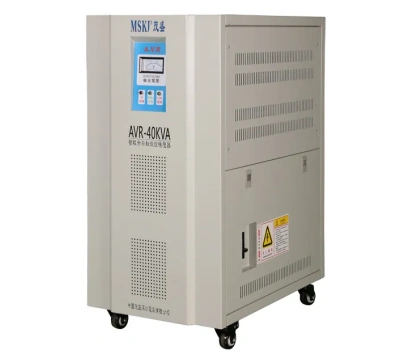
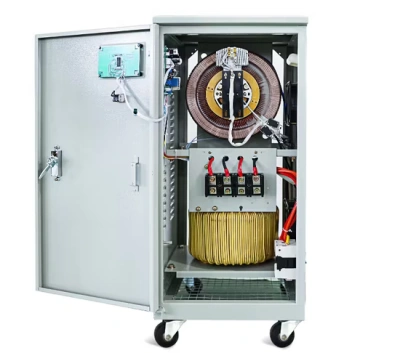
- Servo-spanningsregelaar – Hoge precisieregeling
- Statische spanningsregelaar (AVR) – Elektronische besturing met snelle respons
- Automatische spanningsstabilisator – Op grote schaal gebruikt in industriële systemen
- Distributie spanningsregelaar – Spanningsregeling aan netzijde
Voordelen van spanningsregelaars
- Betrouwbare industriële werking
- Stabiele uitgangsspanning
- Bescherming voor elektrische apparatuur
- Verbeterde stroomkwaliteit
- Energie-efficiëntie
Bedrijfsprofiel
Luoyang Datang Energietechnologie Co., Ltd. is een hightech onderneming die R&D, productie, en levering van elektrische apparatuur en duurzame energieoplossingen. Gespecialiseerd in transformatoren, nieuwe energiecomponenten, verdeelkasten, en omvormers, we hebben ons portfolio uitgebreid met zonne-energiesystemen, oplossingen voor energieopslag, en luchtwarmtepompen. Met technologische innovatie als kern, we richten ons op het creëren van zeer betrouwbare en krachtige energie- en energie-efficiëntieoplossingen om wereldwijde klanten te bedienen. Via een strikt kwaliteitscontrolesysteem en internationale standaardcertificering, wij leveren voortdurend uitstekende producten die onze klanten in staat stellen veilig te bouwen, stabiel, en duurzame energiesystemen.
Als je een hoge kwaliteit wiltDrie Phase spanningsregelaar leverancier, wij nodigen u uit om contact met ons op te nemen of te informeren naar gerelateerde producten.
Betaalmethoden voorDrie-Phase spanningsregelaar
L/C, T/T, Western Unie, Paypal, Creditcard enz.
Verzending vanDrie-Phase spanningsregelaar
Zodra de betaling is ontvangen, over zee, lucht, of zo snel mogelijk uitdrukken.
Veelgestelde vragen over driefasige spanningsregelaar
1. Wat is een driefasige spanningsregelaar?
A three phase voltage regulator is an electrical device designed to automatically stabilize and regulate voltage in three-phase power systems. It compensates for voltage fluctuations and maintains a more consistent output voltage for connected electrical equipment.
2. Waarom is spanningsregeling belangrijk??
Stable voltage is important for the safe and reliable operation of electrical equipment. Excessive voltage fluctuations can cause overheating, reduced equipment life, malfunction, or unexpected shutdowns. A voltage regulator helps maintain the voltage within the required operating range.
3. How does a three phase voltage regulator work?
The regulator continuously monitors the input voltage through a voltage sensing system. When the voltage rises or falls outside the preset range, the control system adjusts the regulating mechanism to increase or decrease the output voltage. This process helps provide a stable voltage to the connected load.
4. What industries use three phase voltage regulators?
Three phase voltage regulators are commonly used in manufacturing plants, fabrieken, datacentra, commerciële gebouwen, telecommunications facilities, ziekenhuizen, laboratories, en energiedistributiesystemen. They are particularly useful where sensitive equipment requires a stable power supply.
5. What is the difference between servo and static voltage regulators?
Servo voltage regulators use a motor-driven mechanical mechanism to adjust the voltage, while static voltage regulators use electronic components to regulate voltage without moving mechanical parts. Servo regulators are commonly selected for applications requiring reliable voltage stabilization, while static regulators can provide very fast voltage correction.
6. Can a three phase voltage regulator improve energy efficiency?
A voltage regulator can help improve the operating conditions of electrical equipment by maintaining a stable supply voltage. It may reduce unnecessary energy consumption and equipment stress caused by excessive or unstable voltage. Echter, the actual energy savings depend on the characteristics of the electrical system and connected loads.
7. What is the difference between a voltage regulator and a transformer?
A transformer primarily changes the voltage level between the input and output sides, while a voltage regulator automatically adjusts the output voltage to compensate for fluctuations. Some voltage regulation systems combine transformer technology with automatic voltage control to provide both voltage transformation and stabilization.
8. Can a three phase voltage regulator protect electrical equipment?
Ja. By maintaining a stable output voltage, a regulator can help reduce the risk of equipment problems caused by overvoltage and undervoltage. Many systems can also be equipped with protection functions such as overload, short-circuit, overspanning, en onderspanningsbeveiliging.
9. What voltage range can a three phase voltage regulator handle?
The applicable voltage range depends on the regulator model and system requirements. Common specifications include different input and output voltage levels, zoals 380V, 400V, 415V, or other customized ratings. The required input range, output voltage, capaciteit, and frequency should be confirmed before selection.
10. How do I choose the right three phase voltage regulator?
The selection should be based on several factors, including rated power, input voltage range, required output voltage, frequentie, load type, regulation accuracy, reactietijd, installation environment, and protection requirements. For industrial applications, the maximum load and starting current of equipment should also be considered.
11. Can a three phase voltage regulator be used for industrial equipment?
Ja. Three phase voltage regulators are widely used for industrial equipment such as CNC machines, motoren, pompen, compressoren, productielijnen, lasapparatuur, and other electrical systems. The regulator capacity should be selected according to the actual load and operating conditions.
12. Does a three phase voltage regulator require maintenance?
Regular inspection is recommended to ensure reliable operation. Maintenance may include checking electrical connections, koelsystemen, control components, beschermingsapparaten, and the operating condition of the regulator. For servo-type regulators, the mechanical components should also be inspected periodically.
13. Can the voltage regulator be customized?
Ja. Three phase voltage regulators can often be customized according to project requirements, including input and output voltage, capaciteit, regulation range, nauwkeurigheid, frequentie, enclosure type, protection functions, and installation method. Customers should provide the electrical system parameters so the appropriate model can be selected.
14. What information should I provide when requesting a quotation?
For an accurate quotation, it is recommended to provide the input voltage, required output voltage, rated capacity (kVA/kW), frequentie, number of phases, voltage regulation range, regulation accuracy, load type, installation environment, and quantity. If available, a technical specification or electrical system diagram can also help the supplier recommend a suitable model.