


Leverancier van elektronische componenten | Transformatoren, Inductoren, Omvormers


Wanneer mensen nadenken over de kerncomponenten van een transformator, ze concentreren zich meestal op de ijzeren kern, wikkelingen, of koelsysteem. Tenslotte, deze delen zijn groot, zeer zichtbaar, en direct gerelateerd aan de efficiëntie van de energieomzetting.
Echter, in echte hoogspanningssystemen, een van de componenten die werkelijk bepaalt of een transformator tientallen jaren veilig en betrouwbaar kan functioneren, is vaak een veel minder opvallend onderdeel: de transformator bus.
Vergeleken met het transformatorlichaam zelf, bussen trekken zelden de aandacht. Toch vervullen ze een van de moeilijkste en gevaarlijkste taken in het hele systeem: het veilig geleiden van hoogspanningsgeleiders door de geaarde transformatortank.
In veel opzichten, de transformatorbus fungeert als de “hoogspanningspoortwachter” van de transformator. Een keer mislukt een bus, de gevolgen kunnen ernstig zijn: van het stilleggen van apparatuur en lokale stroomstoringen tot branden, explosies, en zelfs volledige onderstationstoringen.
Vandaag, terwijl duurzame energie zich snel uitbreidt en de mondiale elektriciteitsnetwerken zich ontwikkelen naar hogere spanningen en een slimmere infrastructuur, het belang van transformatorbussen wordt in de hele industrie opnieuw gedefinieerd.
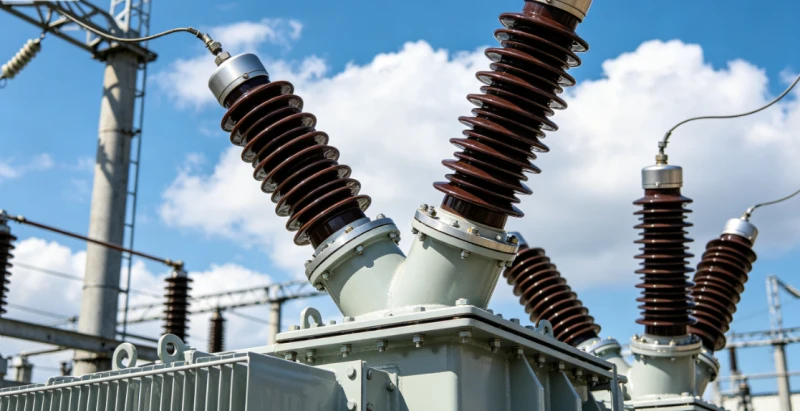
OIP versus RIP Vergelijking van de structuur van hoogspanningsbussen
Wat is een transformatorbus?
Simpel gezegd, A transformator bus is een geïsoleerd apparaat waarmee een hoogspanningsgeleider veilig door de geaarde metalen transformatortank kan gaan.
Het concept klinkt misschien eenvoudig, maar de uitdaging is enorm.
De transformatortank is een geaarde metalen structuur, terwijl de interne wikkeling tientallen of zelfs honderdduizenden volt kan dragen. Als de geleider zonder isolatie rechtstreeks door de tank zou kunnen gaan, elektrische storing en kortsluiting zouden onmiddellijk optreden.
De doorvoer lost dit probleem op door een veilige isolatiebarrière te creëren tussen de bekrachtigde geleider en de geaarde transformatorbehuizing.
Echter, de bedrijfsomstandigheden zijn extreem veeleisend.
Een transformatorbus moet continu bestand zijn:
- Hoogspanningsstress
- Grote elektrische stroom
- Blikseminslagen
- Snelle temperatuurveranderingen
- Milieuvervuiling
- Blootstelling aan weersinvloeden buitenshuis
En het moet dit allemaal tientallen jaren lang betrouwbaar doen, met een minimaal faalrisico.
Om deze reden, Transformatorbussen worden algemeen beschouwd als een van de technisch meest veeleisende onderdelen van het gehele transformatorisolatiesysteem.
Waarom hoogspanningsbussen belangrijker zijn dan de meeste mensen beseffen
In veel transformatorstoringen, het zwakke punt is niet de wikkeling, maar de bus.
De reden is eenvoudig:
Bushings werken in een van de zwaarste omgevingen binnen het transformatorsysteem.
Intern, ze worden geconfronteerd met voortdurende elektrische spanning en thermische belasting door hoogspanningsgeleiders. Extern, ze worden volledig blootgesteld aan omgevingsomstandigheden zoals:
- UV-straling
- Zoutmistcorrosie
- Regen en vochtigheid
- Stof en vervuiling
- Extreme temperatuurcycli
Met andere woorden, de doorvoer bevindt zich direct tussen het interne hoogspanningssysteem van de transformator en de buitenomgeving.
Deze uitdaging wordt nog groter op gebieden zoals:
- Kustgebieden
- Woestijnomgevingen
- Zware industriële zones
- Klimaat met hoge luchtvochtigheid
Op deze locaties, transformatorbussen worden blootgesteld aan veel hogere isolatiespanning en besmettingsrisico dan de meeste andere elektrische componenten.
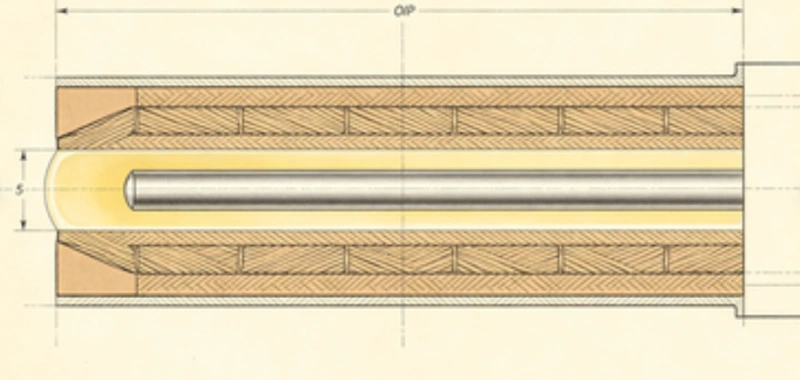
Bus huidige transformator (BCT) Werkingsprincipe
Hoe een kleine busstoring een hele transformator kan vernietigen
Veel grote ongelukken met transformatoren zijn uiteindelijk terug te voeren op het falen van de bussen.
Zodra de isolatie in een bus begint te verslechteren, de schade kan snel escaleren.
1. Gedeeltelijke ontlading en verslechtering van de isolatie
Kleine interne isolatiedefecten kunnen gedeeltelijke ontlading veroorzaken: kleine elektrische vonken in het isolatiesysteem.
In eerste instantie, deze lozingen veroorzaken mogelijk slechts een geringe verwarming. Maar na verloop van tijd, ze verkolen geleidelijk en verzwakken de isolatiestructuur, het creëren van een destructieve cyclus:
- Meer ontlading
- Meer warmte
- Snellere veroudering
- Sterkere elektrische spanning
Eventueel, Er kan een volledige afbraak van de isolatie optreden.
2. Flashover-ongevallen
Verontreiniging op het oppervlak van de bus, zoals zout, stof, of industriële vervuiling – kan geleidend worden in combinatie met vocht of regen.
Hierdoor ontstaat een lekpad langs het oppervlak van de doorvoer, leidend tot flashover.
Een flashover kan de transformator onmiddellijk offline halen en omliggende apparatuur ernstig beschadigen.
3. Brand- en explosierisico's
Traditioneel olie-geïmpregneerd papier (OIP) bussen bevatten isolatieolie.
Als zich een ernstige interne fout voordoet:
- De interne druk stijgt snel
- Isolatieolie ontleedt
- De bus kan scheuren
In extreme gevallen, dit kan transformatorbranden of explosies veroorzaken.
Dit is een reden waarom nutsbedrijven steeds vaker investeren in online bushing-monitoringsystemen.
De twee belangrijkste soorten hoogspanningsbussen
De huidige markt voor hoogspanningstransformatoren wordt gedomineerd door twee belangrijke bushing-technologieën.
1. OIP-bussen (Met olie geïmpregneerde papieren bussen)
OIP-bussen zijn de traditionele oplossing die al tientallen jaren wordt gebruikt in hoogspanningssystemen.
Hun isolatiesysteem combineert isolatiepapier met transformatorolie.
Voordelen
- Volwassen en bewezen technologie
- Stabiele isolatieprestaties
- Lange operationele geschiedenis
- Lagere productiekosten
Nadelen
- Risico op olielekkage
- Hogere onderhoudseisen
- Snellere veroudering van de isolatie
- Groter brandrisico
Veel oudere onderstations zijn tegenwoordig nog steeds sterk afhankelijk van OIP-bussen.
2. RIP-bussen (Met hars geïmpregneerde papieren bussen)
RIP-bussen worden in snel tempo de voorkeursoplossing in moderne onderstations en duurzame energieprojecten.
Hun grootste voordeel is de olievrije isolatiestructuur.
Belangrijkste voordelen
- Geen risico op olielekkage
- Verbeterde milieuveiligheid
- Lager brandgevaar
- Hogere mechanische sterkte
- Betere seismische prestaties
- Minder onderhoudsbehoeften
Terwijl nutsbedrijven in de richting gaan van veiligere en milieuvriendelijkere systemen, RIP-bussen blijven wereldwijd marktaandeel winnen.
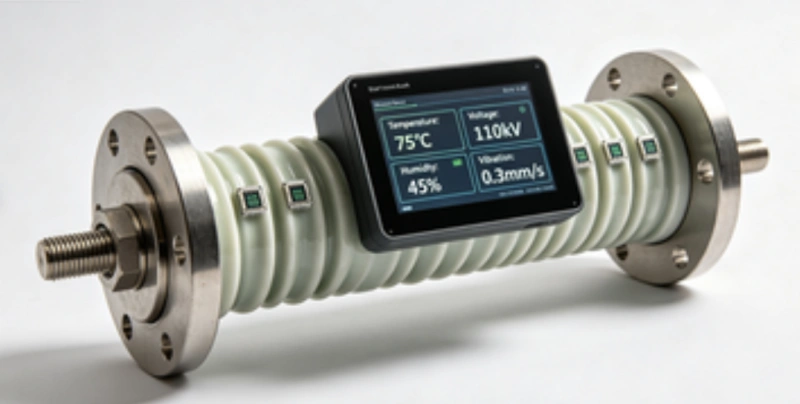
Slimme bus Online monitoringsysteem
Waarom hernieuwbare energiesystemen betere bussen vereisen
Traditionele elektriciteitsnetten werken doorgaans onder relatief stabiele belastingsomstandigheden.
Hernieuwbare energiesystemen zijn compleet anders.
Zonne-installaties, windparken, en batterijopslagsystemen creëren:
- Frequente belastingschommelingen
- Harmonische vervorming
- Snelle schakelhandelingen
- Continue spanningsvariatie
Deze bedrijfsomstandigheden leggen aanzienlijk meer druk op de isolatiesystemen van transformatoren, vooral op de bussen.
Als resultaat, Duurzame energieprojecten richten zich steeds meer op:
- Prestaties bij temperatuurstijging
- Gedeeltelijke ontladingsniveaus
- Isolatiestabiliteit op lange termijn
- Bestand tegen vervuiling
In de moderne infrastructuur voor hernieuwbare energie, transformatorbussen worden niet langer als eenvoudige accessoires beschouwd. Het zijn kritische betrouwbaarheidscomponenten geworden.
Digitalisering transformeert de Transformer Bushing-industrie
In het verleden, transformator bussen werden tijdens gepland onderhoud voornamelijk handmatig geïnspecteerd.
Vandaag, intelligente monitoringtechnologieën veranderen de industrie.
Moderne online monitoringsystemen kunnen hierin voorzien:
- Bewaking van gedeeltelijke ontlading
- Realtime temperatuurmeting
- Analyse van diëlektrische verliezen
- Capaciteitsbewaking
- Op AI gebaseerde foutvoorspelling
Toekomstige transformatorbussen zullen niet alleen als isolatiemateriaal functioneren, maar ook als intelligente diagnoseterminals die voorspellend onderhoud en smart grid-beheer kunnen ondersteunen.
Toekomstige trends in transformatorbussen
Verschillende belangrijke trends geven vorm aan de toekomst van de transformatorbusindustrie.
Hogere spanningswaarden
Terwijl ultrahoogspanningstransmissie zich wereldwijd uitbreidt, vraag naar:
- 800kV
- 1000kV
- 1100kV
Bush-systemen blijven snel groeien.
Milieuvriendelijke ontwerpen
De industrie is in beweging:
- Olievrije isolatiesystemen
- SF6-vrije technologieën
- Biologisch afbreekbare isolatiematerialen
Milieuduurzaamheid wordt een belangrijke ontwerpprioriteit.
Slimmere bussen
Toekomstige bussen zullen steeds meer integreren:
- Ingebouwde sensoren
- Draadloze communicatie
- Cloudgebaseerde diagnostiek
- AI-gestuurde voorspellende analyse
Door deze verschuiving kunnen nutsbedrijven overstappen van reactief onderhoud naar volledig voorspellende bedrijfsstrategieën.
Over PDDN
Bij PDDN, we streven ernaar betrouwbare energie- en hernieuwbare energieoplossingen voor de industrie te leveren, commercieel, en projecten op utiliteitsschaal wereldwijd.
Met jarenlange ervaring in de elektrische energiebranche, PDDN is geëvolueerd van een leverancier van transformatorapparatuur naar een allesomvattende leverancier van energieoplossingen, klanten in heel Azië bedienen, Afrika, het Midden-Oosten, Europa, en Zuid-Amerika.
Wij verwelkomen samenwerking met EPC-aannemers, distributeurs, projectontwikkelaars, nutsvoorzieningen, en industriële klanten wereldwijd.
GERELATEERDE POSTEN

Het verschil tussen Pure Copper Heatsink en gewone radiatoren: sublimatie van prestaties, ontwerp en efficiëntie
Heroverweeg de efficiëntienormen voor distributietransformatoren; machtsgroepen dringen er bij het Energiedepartement op aan
Het onthullen van het geheime wapen van zonne-energiecentrales: Omvormer voor zonne-energiecentrale
In olie ondergedompelde vermogensregelaars voor industriële elektrische ovens helpen de productie-efficiëntie en kwaliteitscontrole te verbeteren
Application case analysis of Ideal Diode Module in circuit protection and signal processing
