Fornecedor de componentes eletrônicos | Transformadores, Indutores, Inversores


Why Dry Type Transformers Are Revolutionizing Electrical Systems
In today’s energy-conscious world, dry type distribution transformers are becoming the preferred choice for commercial, industrial, e até aplicações residenciais. Ao contrário dos transformadores tradicionais a óleo, esseseco-friendly, low-maintenance power solutions offer superior safety and efficiency. This guide explores their benefits, aplicações, and the latest innovations shaping the industry.
What Is a Dry Type Distribution Transformer?
UMdry type distribution transformer operates without liquid coolant, using advanced insulation materials (like epoxy resin or vacuum pressure impregnation) to dissipate heat. These transformers are ideal forindoor installations where fire safety and environmental concerns are critical.
Key Advantages Over Oil-Filled Transformers
✔Resistente ao fogo – No flammable oil eliminates explosion risks
✔Lower maintenance – No oil leaks or filtration needed
✔Eco-friendly – Free from toxic PCBs and hydrocarbons
✔Design compacto – Easier installation in tight spaces
Principal 5 Applications of Dry Type Transformers (2024 Atualizar)
- Edifícios Comerciais – Hospitals, shoppings, and offices prioritize fire safety.
- Plantas Industriais – Resistant to dust, umidade, and chemical exposure.
- Sistemas de Energia Renovável – Solar/wind farms use them for grid stability.
- Centros de dados – Critical for uninterrupted power in server rooms.
- Residential Complexes – High-rises benefit from their silent operation.
2024 Market Trends Driving Adoption
1. Smart Grid Integration
Modernotransformadores tipo seco now featureSensores IoT for real-time monitoring of temperature, carregar, e eficiência.
2. Regulamentos de Eficiência Energética
StrictIEEE & DOE standards push industries towardalta eficiência (98%+) modelos.
3. Rise of Urbanization
Compact cities demand space-saving electrical gear with minimal fire hazards.
4. Sustainability Focus
Corporations choosinggreen transformers to meet ESG goals.
How to Select the Right Dry Type Transformer
| Factor | What to Look For |
|---|---|
| Classificação de potência | Match kVA to your load requirements |
| Classe de isolamento | Classe F (155°C) or H (180°C) for durability |
| Nível de ruído | <65 dB for sensitive environments |
| Certificações | UL, CE, IEEE-C57.12.01 compliant |
Para dica: For harsh environments, opt forencapsulated (IPV) projetos over open-wound types.
Melhores práticas de manutenção
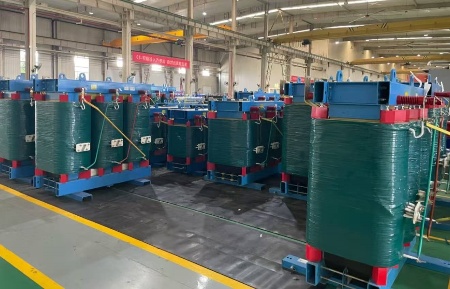
Enquantotransformadores tipo seco require less upkeep than oil-filled units, siga estas etapas:
- Mensal: Check for dust buildup on cooling vents
- Annual: Thermographic inspection to spot hotspots
- 5-Ano: Tighten electrical connections
The Verdict: Are Dry Type Transformers Worth It?
Com50% longer lifespans than oil transformers and30% lower lifetime costs, the answer is clear. À medida que as indústrias mudam parasmarter, cleaner power distribution, dry type models are set to dominate.
Upgrade your facility today with ahigh-efficiency dry type distribution transformer!
POSTS RELACIONADOS

O papel crítico do dissipador de calor em uma ponte retificadora
Tiristor Assimétrico: Uma estrela em ascensão na engenharia eletrônica

40Tiristor TPS12A: the "golden partner" de eletrônica de potência

"Shocking" Notícias: Os transformadores Growatt não apenas transformam a tensão – eles transformam o seu negócio!
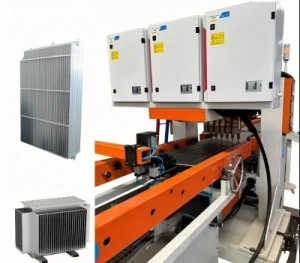
Radiador transformador: O herói desconhecido que mantém seu transformador vivo