


Fornecedor de componentes eletrônicos | Transformadores, Indutores, Inversores


Regulador de tensão trifásico

200Regulador de tensão compensado trifásico KW China Fabricante

Regulador de tensão estabilizador trifásico 100KVA China Fabricante

Regulador de tensão / Estabilizador (SBW-50KVA) Fabricante chinês

150Estabilizador de regulador de tensão KVA / 380V China Fabricante

3 Fabricante chinês de regulador de tensão automático de fase 30kVA

regulador de tensão trifásico 380v 80KVA China Fabricante

250regulador de tensão kva controlador 380v China Fabricante

400Regulador de tensão KVA 380V 220V China Fabricante

500Regulador de tensão KVA controlador 380v China Fabricante

Regulador de tensão automático trifásico 380v China Fabricante

3regulador de tensão de alta potência 380V de fase China Fabricante

regulador de alta tensão trifásico de venda quente China Fabricante
Visão geral do regulador de tensão trifásico
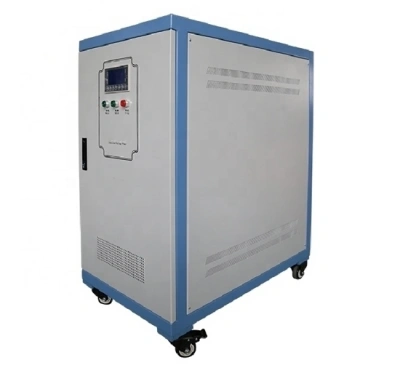
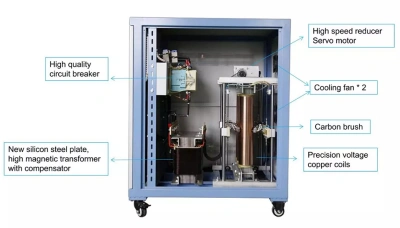
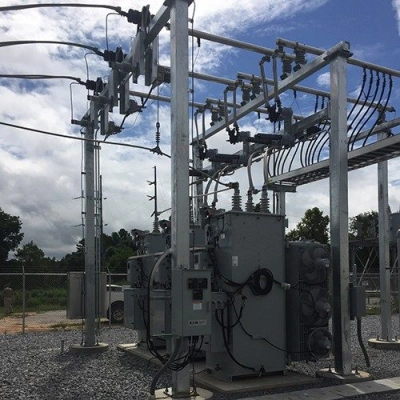
Os reguladores de tensão trifásicos são projetados para estabilizar e regular os níveis de tensão em sistemas de energia trifásicos. Eles garantem uma fonte de tensão consistente, protegendo equipamentos elétricos de flutuações de tensão, surtos, e gotas.
Esses reguladores são amplamente utilizados em plantas industriais, fábricas, centros de dados, e sistemas de distribuição de energia, especialmente onde a tensão estável é crítica.
Como funcionam os reguladores de tensão trifásicos
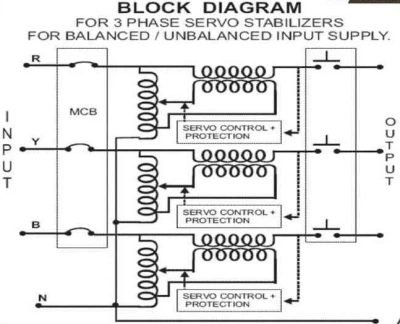
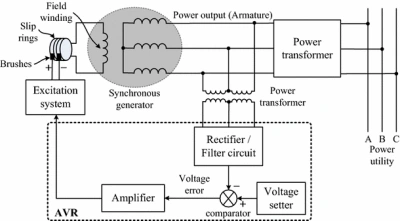
Os reguladores de tensão ajustam a tensão de saída automaticamente.
| Componente | Função |
|---|---|
| Transformador | Adjusts voltage levels according to system requirements |
| Sistema de controle | Detects voltage fluctuations and controls the regulation process |
| Servomotor / AVR | Automatically regulates output voltage |
| Voltage Sensing Unit | Measures the input and output voltage continuously |
| Painel de controle | Displays operating parameters and allows system settings |
| Trocador de toque | Changes transformer turns ratio to maintain the required voltage |
| Sistema de Proteção | Prevents overvoltage, subtensão, sobrecarga, and other abnormal conditions |
| Circuit Breaker | Disconnects the circuit during faults or abnormal operation |
| Bypass System | Allows the load to continue operating during maintenance or regulator failure |
| Sistema de resfriamento | Controls operating temperature and helps prevent overheating |
| Surge Protection | Protects the regulator and connected equipment from voltage surges |
| Gabinete | Protects internal components from dust, umidade, e condições ambientais |
Tipos de reguladores de tensão trifásicos
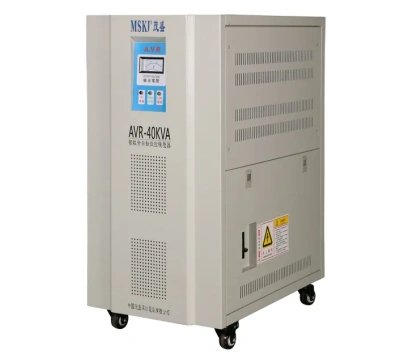
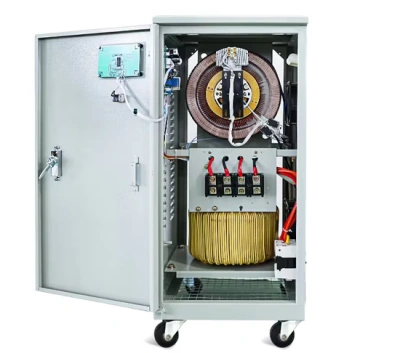
- Regulador de servotensão – Regulação de alta precisão
- Regulador de tensão estática (AVR) – Controle eletrônico de resposta rápida
- Estabilizador Automático de Tensão – Amplamente utilizado em sistemas industriais
- Regulador de tensão de distribuição – Controle de tensão do lado da rede
Vantagens dos reguladores de tensão
- Operação Industrial Confiável
- Tensão de saída estável
- Proteção para Equipamentos Elétricos
- Melhor qualidade de energia
- Eficiência Energética
perfil de companhia
Luoyang Datang Tecnologia de Energia Co., Ltda. é uma empresa de alta tecnologia que integra R&D, fabricação, e fornecimento de equipamentos de energia e soluções de energia renovável. Especializada em transformadores, novos componentes de energia, armários de distribuição, e inversores, expandimos nosso portfólio para incluir sistemas de energia solar, soluções de armazenamento de energia, e bombas de calor de fonte de ar. Com a inovação tecnológica como nosso núcleo, nos concentramos na criação de soluções de energia e eficiência energética de alta confiabilidade e alto desempenho para atender clientes globais. Através de um rigoroso sistema de controle de qualidade e certificação de padrão internacional, entregamos continuamente produtos excelentes que capacitam nossos clientes a construir, estável, e sistemas de energia sustentáveis.
Se você quer um produto de alta qualidadeTrês Pregulador de tensão hase fornecedor, convidamos você a entrar em contato conosco ou perguntar sobre produtos relacionados.
Métodos de pagamento paraTrês-Pregulador de tensão hase
L/C, T/T, Western Union, PayPal, Cartão de crédito etc..
Envio deTrês-Pregulador de tensão hase
Assim que o pagamento for recebido, por mar, ar, ou expressar o mais rápido possível.
Perguntas frequentes sobre regulador de tensão trifásico
1. O que é um regulador de tensão trifásico?
A three phase voltage regulator is an electrical device designed to automatically stabilize and regulate voltage in three-phase power systems. It compensates for voltage fluctuations and maintains a more consistent output voltage for connected electrical equipment.
2. Por que a regulação de tensão é importante?
Stable voltage is important for the safe and reliable operation of electrical equipment. Excessive voltage fluctuations can cause overheating, reduced equipment life, malfunction, or unexpected shutdowns. A voltage regulator helps maintain the voltage within the required operating range.
3. How does a three phase voltage regulator work?
The regulator continuously monitors the input voltage through a voltage sensing system. When the voltage rises or falls outside the preset range, the control system adjusts the regulating mechanism to increase or decrease the output voltage. This process helps provide a stable voltage to the connected load.
4. What industries use three phase voltage regulators?
Three phase voltage regulators are commonly used in manufacturing plants, fábricas, centros de dados, edifícios comerciais, telecommunications facilities, hospitais, laboratórios, e sistemas de distribuição de energia. They are particularly useful where sensitive equipment requires a stable power supply.
5. What is the difference between servo and static voltage regulators?
Servo voltage regulators use a motor-driven mechanical mechanism to adjust the voltage, while static voltage regulators use electronic components to regulate voltage without moving mechanical parts. Servo regulators are commonly selected for applications requiring reliable voltage stabilization, while static regulators can provide very fast voltage correction.
6. Can a three phase voltage regulator improve energy efficiency?
A voltage regulator can help improve the operating conditions of electrical equipment by maintaining a stable supply voltage. It may reduce unnecessary energy consumption and equipment stress caused by excessive or unstable voltage. No entanto, the actual energy savings depend on the characteristics of the electrical system and connected loads.
7. What is the difference between a voltage regulator and a transformer?
A transformer primarily changes the voltage level between the input and output sides, while a voltage regulator automatically adjusts the output voltage to compensate for fluctuations. Some voltage regulation systems combine transformer technology with automatic voltage control to provide both voltage transformation and stabilization.
8. Can a three phase voltage regulator protect electrical equipment?
Sim. By maintaining a stable output voltage, a regulator can help reduce the risk of equipment problems caused by overvoltage and undervoltage. Many systems can also be equipped with protection functions such as overload, curto-circuito, sobretensão, e proteção contra subtensão.
9. What voltage range can a three phase voltage regulator handle?
The applicable voltage range depends on the regulator model and system requirements. Common specifications include different input and output voltage levels, como 380V, 400V, 415V, or other customized ratings. The required input range, output voltage, capacidade, and frequency should be confirmed before selection.
10. How do I choose the right three phase voltage regulator?
The selection should be based on several factors, including rated power, input voltage range, required output voltage, freqüência, load type, regulation accuracy, response time, ambiente de instalação, and protection requirements. For industrial applications, the maximum load and starting current of equipment should also be considered.
11. Can a three phase voltage regulator be used for industrial equipment?
Sim. Three phase voltage regulators are widely used for industrial equipment such as CNC machines, motores, bombas, compressores, linhas de produção, welding equipment, and other electrical systems. The regulator capacity should be selected according to the actual load and operating conditions.
12. Does a three phase voltage regulator require maintenance?
Regular inspection is recommended to ensure reliable operation. Maintenance may include checking electrical connections, sistemas de refrigeração, control components, protection devices, and the operating condition of the regulator. For servo-type regulators, the mechanical components should also be inspected periodically.
13. Can the voltage regulator be customized?
Sim. Three phase voltage regulators can often be customized according to project requirements, including input and output voltage, capacidade, regulation range, accuracy, freqüência, enclosure type, funções de proteção, and installation method. Customers should provide the electrical system parameters so the appropriate model can be selected.
14. What information should I provide when requesting a quotation?
For an accurate quotation, it is recommended to provide the input voltage, required output voltage, rated capacity (kVA/kW), freqüência, number of phases, voltage regulation range, regulation accuracy, load type, ambiente de instalação, and quantity. If available, a technical specification or electrical system diagram can also help the supplier recommend a suitable model.