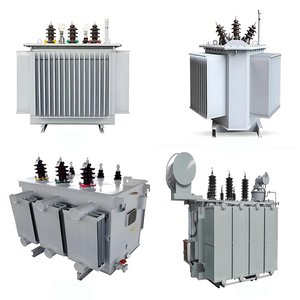
Fornecedor de componentes eletrônicos | Transformadores, Indutores, Inversores


Na busca global por um futuro energético sustentável, uma tecnologia emergiu como o eixo inegável: Sistemas de armazenamento de energia (ESE). Mais do que apenas um ato de apoio à energia solar e eólica, ESS is rapidly becoming the cornerstone of modern grid infrastructure, enabling decarbonization, enhancing energy security, and reshaping how we generate and consume electricity. This deep dive explores why ESS is the critical technology of our decade and the hot trends driving its explosive growth.
Beyond the Battery: What Exactly is an Energy Storage System (ESE)?
Em sua essência, an Energy Storage System (ESE) is a integrated technological solution that captures energy produced at one time for use at a later time. While most people immediately think of lithium-ion batteries—and for good reason—a complete ESS encompasses far more:
- The Storage Unit: The batteries themselves (por exemplo, Íon de lítio, Flow Batteries, Sodium-Sulfur).
- Power Conversion System (PCS): The inverters and converters that manage AC/DC electricity flow.
- Sistema de gerenciamento de bateria (BMS): O “brain” that monitors cell health, temperatura, and state of charge.
- Sistema de gestão de energia (EMS): Sophisticated software that controls when to store energy and when to dispatch it, based on grid signals or economic algorithms.
This combination allows ESS to act as a massive reservoir for electrons, smoothing out the inherent intermittency of renewables and providing a buffer for the grid.

ESE (Sistema de armazenamento de energia)
Why Now? The Hot Trends Fueling the ESS Revolution
The momentum behind ESS isn’t accidental. It’s being propelled by a powerful convergence of global trends:
- The Renewable Energy Surge: As nations install record amounts of solar and wind capacity, o “duck curve” problem emerges—too much power during sunny/windy periods and not enough at night or during calm periods. ESS solves this by storing excess daytime solar for use in the evening peak, effectively shaving the duck’s head and filling its belly.
- Grid Resilience and Modernization: From extreme weather events in North America to energy security concerns in Europe, the need for a resilient grid is paramount. ESS provides critical backup power, enhances frequency regulation, and defers the costly need for building new peaker plants—often fossil-fueled facilities that only run during high demand.
- Favorable Policy and Economics: Landmark policies like the U.S. Lei de Redução da Inflação (IRA) are pouring massive investment tax credits (ITC) into standalone storage, dramatically improving project economics. Simultaneously, the levelized cost of energy storage (LCOS) continues to plummet, making ESS not just a technical solution, but an economically superior one.
- The Electric Vehicle (VE) Ecosystem Convergence: The EV boom is directly fueling ESS advancement. The same battery chemistry R&D is benefiting stationary storage, driving down costs and improving energy density. Além disso, concepts like Vehicle-to-Grid (V2G) are emerging, where EVs themselves become a distributed network of mobile energy storage assets.
Key Applications: More Than Just Backup Power
The versatility of ESS is key to its value. Major applications include:
- Integração de Energia Renovável: Time-shifting solar and wind generation to align with demand.
- Frequency Regulation: Injecting or absorbing power in milliseconds to maintain grid stability—a service ESS provides far more efficiently than traditional turbines.
- Comercial & Industrial (C&EU) Peak Shaving: Businesses use ESS to draw power from the grid when rates are low, and use their stored energy during expensive peak hours, slashing electricity bills.
- Microgrids and Off-Grid Power: ESS enables communities, military bases, and remote operations to combine renewables with storage for self-sufficient power.

ESE (Sistema de armazenamento de energia)
The Road Ahead: Challenges and Innovations
The path forward isn’t without hurdles. Supply chain constraints for critical minerals, fire safety concerns, and the ongoing need for better recycling processes are industry-wide focuses. Innovation is answering the call with:
- Next-Generation Chemistries: Solid-state batteries, iron-air batteries, and advanced flow batteries promise greater safety, longer duration, and reduced reliance on scarce materials.
- AI and Machine Learning: Smarter EMS software uses predictive analytics and AI to optimize battery dispatch for maximum revenue and longevity.
- Long-Duration Energy Storage (LDES): The race is on to develop cost-effective storage solutions that can power the grid for 10+ horas, enabling deep decarbonization.
Conclusão: The Foundation of the New Grid
Energy Storage Systems are no longer a futuristic concept; they are a present-day necessity. As the world accelerates its transition away from fossil fuels, ESS provides the critical flexibility and reliability that a clean grid requires. For investors, negócios, and policymakers, understanding and engaging with the ESS revolution is no longer optional—it is essential for building a resilient, eficiente, and sustainable energy future.
Tecnologia energética Co. de Luoyang Datang,Ltda. é uma empresa de alta tecnologia que integra R&D, fabricação e fornecimento de equipamentos de energia, como transformadores, novos componentes de energia, armários de distribuição e inversores. Com a inovação tecnológica como núcleo, nos concentramos na criação de soluções de energia de alta confiabilidade e alto desempenho para atender clientes globais. Com um rigoroso sistema de controle de qualidade e certificação de padrão internacional, continuamos a produzir produtos excelentes e a permitir que os clientes construam sistemas de energia seguros e estáveis.
Se você tiver alguma dúvida, não hesite em contactar-nos!
Tel.: 0086-173 9637 0277
WeChat: 0086-173 9637 0277
WhatsApp: 0086-173 9637 0277
E-mail: vendas@pddn.com
POSTS RELACIONADOS

O inversor de energia WVC-700 ajuda áreas remotas a alcançar autossuficiência em eletricidade

A Revolução Silenciosa: Como as baterias ESS estão alimentando uma empresa mais inteligente, Futuro mais verde
O mercado de inversores solares está passando por um rápido crescimento e a inovação tecnológica está transformando a indústria
Falha na bucha do transformador: Causas e estratégias de prevenção

O papel e as vantagens dos módulos de fotodiodo na área de detecção e medição óptica