


Fornecedor de componentes eletrônicos | Transformadores, Indutores, Inversores


PARÂMETROS DO PRODUTO
Descrição
SOLICITE UM ORÇAMENTO
Descrição
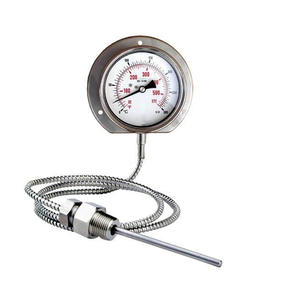
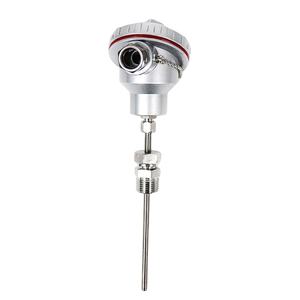
Overview of Industrial TEMPERATURE TRANSMITTERS Digital Thermometer Bimetallic Thermometer and Shock Resistant Pressure Gauge
Industrial TEMPERATURE TRANSMITTERS Digital Thermometer Bimetallic Thermometer and Shock Resistant Pressure Gauge is used to monitor the temperature during industrial production processes, que são cruciais para a operação do equipamento, qualidade do produto, e segurança de produção. Existem vários tipos, como termômetros de resistência térmica, termômetros termopares, termômetros infravermelhos, termômetros ópticos, etc., cada um com suas vantagens, desvantagens, e intervalos aplicáveis, que precisam ser selecionados de acordo com ambientes de uso específicos e requisitos de medição. Inspecione e calibre regularmente para garantir precisão e confiabilidade, fornecendo dados confiáveis de medição de temperatura para produção industrial. Escolher e usar termômetros industriais corretamente pode garantir o bom andamento da produção industrial.
Characteristics of Industrial TEMPERATURE TRANSMITTERS Digital Thermometer Bimetallic Thermometer and Shock Resistant Pressure Gauge
Medição de alta precisão: Geralmente tem uma função de medição de temperatura de alta precisão, que pode medir e exibir com precisão os valores de temperatura. Isto se deve ao uso de sensores de temperatura de precisão e circuitos de medição.
Ampla faixa de temperatura: capaz de se adaptar a uma ampla faixa de temperaturas e medir e controlar processos industriais de temperaturas extremamente baixas a altas. Diferentes modelos de controladores de temperatura podem ter diferentes faixas de temperatura, e os usuários podem escolher o modelo apropriado de acordo com suas necessidades específicas.
Vários modos de controle: Geralmente suporta vários modos de controle, como controle proporcional, Controle PID, controle difuso, etc.. Esses modos de controle podem ser selecionados e ajustados de acordo com as necessidades reais para obter controle preciso de temperatura e estabilidade.
Vários modos de saída: Com vários modos de saída para comunicação e controle com outros dispositivos ou sistemas. Os métodos de saída comuns incluem saída analógica (como sinais de corrente ou tensão), saída digital (como interface de comunicação RS485), e saída de relé.
Tela grande: Fornecido com uma tela grande, ele pode exibir claramente a temperatura atual, definir temperatura, e outras informações relacionadas. Isso permite que os usuários monitorem visualmente as mudanças de temperatura e o status do dispositivo, tornando conveniente operar e ajustar parâmetros.
Forte capacidade anti-interferência: Muitas vezes existem várias fontes de interferência em ambientes industriais, como interferência eletromagnética, vibração, e flutuações de temperatura. Termômetros industriais geralmente têm forte capacidade anti-interferência, e algoritmos de filtragem e design anti-interferência são adotados para reduzir o impacto da interferência na medição e controle de temperatura.
Função programável: Com função programável, os usuários podem personalizar configurações e operações de acordo com suas necessidades. Os usuários podem definir curvas de temperatura, controle de tempo, e funções de alarme através da interface de programação para atender às necessidades de processos industriais complexos.
Função de proteção de segurança: geralmente tem múltiplas funções de proteção de segurança para garantir a segurança de equipamentos e processos. Por exemplo, pode ter funções como proteção contra superaquecimento, memória de queda de energia, e alarme de falha para evitar que medidas oportunas sejam tomadas em caso de temperatura excedendo a faixa segura ou falha do equipamento.
Fácil instalação: Termômetros industriais podem ser instalados de diversas maneiras, como axial, radial, e universais, tornando-o conveniente para os usuários usarem.
Boa durabilidade e confiabilidade: Os termômetros industriais geralmente são feitos de materiais e processos de alta qualidade, que têm boa durabilidade e confiabilidade e podem funcionar de forma estável por um longo tempo.”
Specification of Industrial TEMPERATURE TRANSMITTERS Digital Thermometer Bimetallic Thermometer and Shock Resistant Pressure Gauge
Industrial temperature transmitters transform readings from sensing units like RTDs or thermocouples into conventional signals. They send out these signals over long distances to manage systems. These devices offer high precision. They are essential for exact process control. Users get dependable temperature data from another location. This is vital in factories and power plants. The signals are generally 4-20mA or digital layouts like HART. This ensures compatibility with existing tools. Transmitters operate in difficult environments. They take care of high temperatures and vibrations well. A instalação é simples. As necessidades de manutenção são baixas. They enhance total system efficiency and safety.
Bimetallic thermostats are straightforward, mechanical gadgets. They make use of two various steels bound together. These steels increase at various rates when heated up. This movement drives a tip on a dial. The dial shows the temperature level plainly. These thermostats are very robust. They need no external source of power. This makes them sure. They are excellent for direct, local temperature level readings. You see them on pipes, storage tanks, e máquinas. They take care of heats successfully. Precision is good for lots of commercial uses. They are likewise affordable. Resilience is a significant advantage. They stand up to shock and vibration well.
Shock-resistant pressure determines are built tough. They shield the interior device from impacts and pulsation. This is essential in harsh commercial settings. Hydraulic systems, compressores, and pumps commonly cause resonance. These evaluates withstand that tension. They use unique motions and fluid filling. The liquid dampens guideline movement. It also lubricates internal parts. This prevents use from resonance. The dial remains readable under challenging conditions. Security is a key advantage. They prevent scale failure. This stays clear of possible risks. Precision stays steady over time. They are trusted for critical pressure tracking. Steel plants and chemical handling count on them.
Applications of Industrial TEMPERATURE TRANSMITTERS Digital Thermometer Bimetallic Thermometer and Shock Resistant Pressure Gauge
Industrial temperature level transmitters are important devices. They transform temperature level readings from sensing units right into common signals. These signals take a trip cross countries easily. Control systems and checking devices receive them. This allows remote surveillance and control. Plants rely on them for procedure effectiveness. They make certain product high quality and safety and security. Their robust layout deals with extreme manufacturing facility problems. Pó, umidade, and vibration do not quit them. Accuracy is vital for these devices.
Digital thermometers offer precise temperature level readings. They show numbers plainly on an LCD screen. Employees see the exact temperature level quick. This is crucial for quick decisions. They often feature information logging. This documents temperature changes over time. Battery life is normally long. Durability is important for industrial use. They are preferred for spot checks. They are likewise used for continual tracking. Their convenience of use is a large benefit.
Bimetallic thermometers are simple and reputable. They use 2 different steels adhered with each other. These steels expand at various rates when heated up. This triggers a tip to proceed a dial. They require no outside power source. This makes them extremely reputable. They prevail where power is dangerous. They are additionally utilized for basic regional analyses. Their mechanical nature is simple. A manutenção é marginal. They are a cost-efficient solution.
Shock resistant pressure assesses are developed difficult. They protect the internal mechanism. Impacts and resonances happen frequently in market. These assesses hold up against hefty knocks. They typically have a liquid-filled situation. This dampens needle activity. It makes the analysis stable. Workers can see the pressure clearly. Process stability relies on precise pressure control. These evaluates prevent pricey downtime. Leakages and failures are reduced. Safety and security is boosted significantly. They are important for pumps, compressores, and hydraulic systems. Plant team appreciate their longevity.
perfil de companhia
PDDN Fotoelétron Technology Co., Ltda. é uma das empresas líderes em tecnologia de eletrônica de potência e produtos de energia, que está totalmente envolvida no desenvolvimento de inversores solares, transformadores, reguladores de tensão, armários de distribuição, tiristores, módulos, diodos, aquecedores, e outros dispositivos eletrônicos ou semicondutores. Estaremos comprometidos em fornecer aos usuários produtos de alta qualidade, produtos eficientes e serviço atencioso.
Aceita pagamento via cartão de crédito, T/T, União Ocidental, e Paypal. PDDN enviará as mercadorias para clientes no exterior através da FedEx, DHL, por mar, ou por via aérea. If you want high-quality Industrial TEMPERATURE TRANSMITTERS Digital Thermometer Bimetallic Thermometer and Shock Resistant Pressure Gauge, por favor envie-nos perguntas; estaremos aqui para ajudá-lo.
Métodos de pagamento
L/C, T/T, Western Union, PayPal, Cartão de crédito etc..
Remessa
Por mar, de avião, por expresso, como os clientes solicitam.
Condições de armazenamento
1) Armazenar em ambiente seco à temperatura ambiente.
2) Evite umidade e alta temperatura.
3) Use imediatamente após abrir a embalagem interna.
5 FAQs of Industrial TEMPERATURE TRANSMITTERS Digital Thermometer Bimetallic Thermometer and Shock Resistant Pressure Gauge
What do industrial temperature transmitters actually do?
They take temperature readings from sensors like RTDs or thermocouples. The transmitter converts this raw signal. It turns it into a standard output signal. Common outputs are 4-20mA or digital signals. This standard signal travels long distances to control systems. Control systems then use this data for monitoring or automatic control.
How accurate are digital thermometers compared to other types?
Digital thermometers generally offer high precision. They are often more accurate than bimetallic thermometers. Their digital display gives clear, easy-to-read numbers. This reduces reading errors. Accuracy depends on the sensor quality and calibration. Good digital models are reliable for critical measurements.
Why pick a bimetallic thermometer?
Bimetallic thermometers are simple and tough. They use a metal coil that bends with temperature changes. This moves the pointer on the dial. They need no batteries or external power. They are very cost-effective for basic temperature checks. You see them on pipes or tanks where simplicity matters most.
Where are shock-resistant pressure gauges needed?
Use them in tough spots with lots of vibration or bumps. Máquinas, hydraulic systems, and compressors cause heavy shaking. Normal gauges fail quickly there. Shock-resistant gauges have special internal designs. These designs absorb vibration energy. They protect the movement mechanism. This gives a longer lifespan and reliable readings in rough conditions.
Do these instruments need special care?
Sim, basic maintenance keeps them working right. Check them regularly for physical damage or leaks. Calibrate them periodically. Calibration ensures readings stay accurate over time. Follow the maker’s instructions for cleaning and safe use. Protect gauges and transmitters from extreme conditions beyond their ratings. This care prevents failures.
SOLICITE UM ORÇAMENTO
PRODUTOS RELACIONADOS

Termômetro de metal L-300mm modo de conexão M27 China Fabricante
Temperatura da haste do ângulo direito de bronze do tubo de vidro que mede o termômetro industrial do escudo de aço
Termômetro de leitura rápida de metal de boa qualidade, alta sensibilidade, fabricante na China
Termômetro infravermelho de posicionamento completo para alimentos, cozinha, digital, industrial, teste de temperatura de pneus
Termômetros Industriais Termômetro Vermelho Infravermelho Digital
