


Fornecedor de componentes eletrônicos | Transformadores, Indutores, Inversores


Transformador Imerso em Óleo

20transformador imerso em óleo kV: resistente, durável, e núcleo de conversão de energia confiável
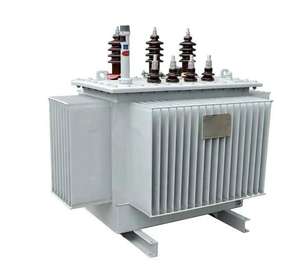
Transformador elétrico pequeno 50kva 100kva 200kva transformador amplificador de potência
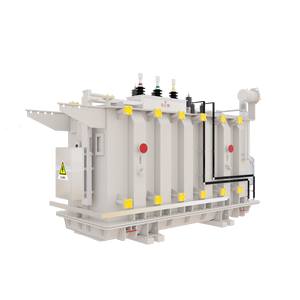
Transformador de potência imerso em óleo, totalmente novo, 250kva 10kv, 110v, 380v, 220v, tensão de saída, 35kv, entrada 50hz, 60hz, imperdível
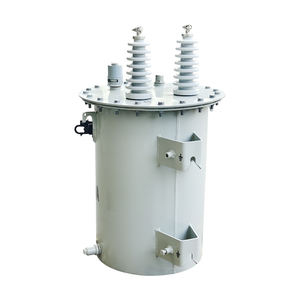
30transformador imerso em óleo da classe kva 50kva 80kva 100kva 10kv 3 A fase 10kv 400v intensifica a saída 11kv com tensão de entrada 35kv
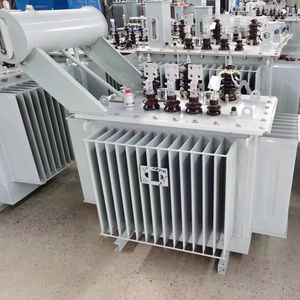
Pólo montado transformador monofásico 167kva 13.8kv 240/480V transformador de distribuição imerso em óleo
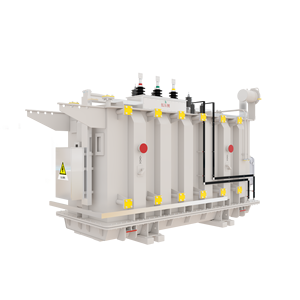
Derui d11 tipo barril imerso em óleo pólo de distribuição monofásico transformador monofásico 380/400/230v saída 50/60hz frequência
Well-ing 500kva Transformador Industrial Pad Montado 220V/380V/440V 50Hz/60Hz Equipamento Elétrico Trifásico 480V 6kv/35kv
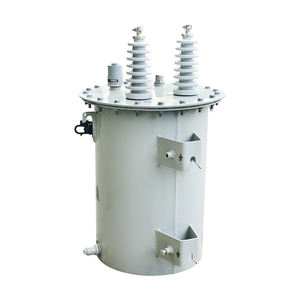
50KVA 100KVA 150KVA 200KVA 250KVA 300KVA 400KVA 450KVA 500KVA para 2500kVA Transformador de distribuição de transformador de potência imerso em óleo
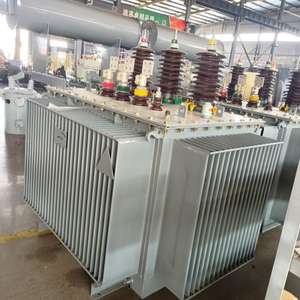
Padrão IEEE/ANSI/IEC 50kva 13,8KV-120/240V Monofásico tipo imerso em óleo Transformador montado em poste OEM com suporte aéreo
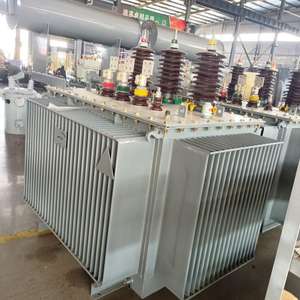
Equipamento americano da distribuição de poder do transformador IP30 da caixa da baixa tensão de KYN28-12 50Hz usado no Switchgear isolado ar
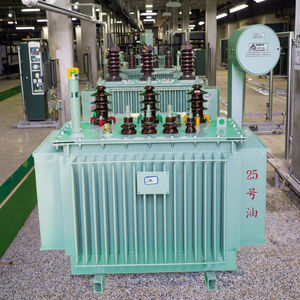
A fase monofásica exterior Polo de TSTY montou o transformador imerso em óleo de 11KV 33KV 50KVA 100KVA 200KVA 300KVA
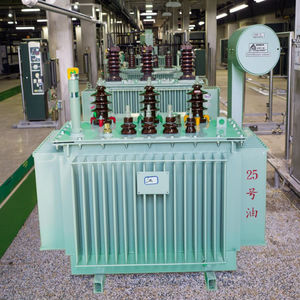
TCS-30MM Transformador de potência de núcleo rachado encapsulado à prova d'água 100/5A 150/5A Frequência 50Hz para subestação de transformador
Overview of Oil Immersed Transformers
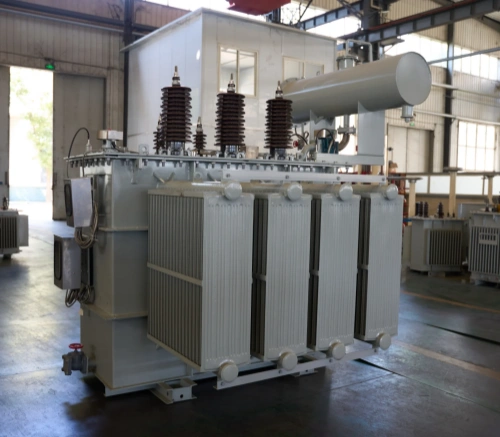
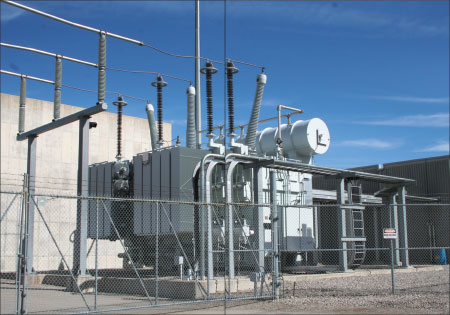

Transformadores imersos em óleo são amplamente utilizados em sistemas de transmissão e distribuição de energia devido à sua alta confiabilidade, forte desempenho de isolamento, e dissipação de calor eficiente. Esses transformadores usam óleo mineral isolante para resfriar e isolar os componentes internos, garantindo operação estável mesmo sob cargas elétricas pesadas.
Transformadores a óleo são comumente aplicados em usinas de energia, subestações, instalações industriais, e projetos de energia renovável, fornecendo conversão de tensão eficiente e fonte de alimentação confiável para infraestrutura elétrica moderna.
Como funcionam os transformadores imersos em óleo

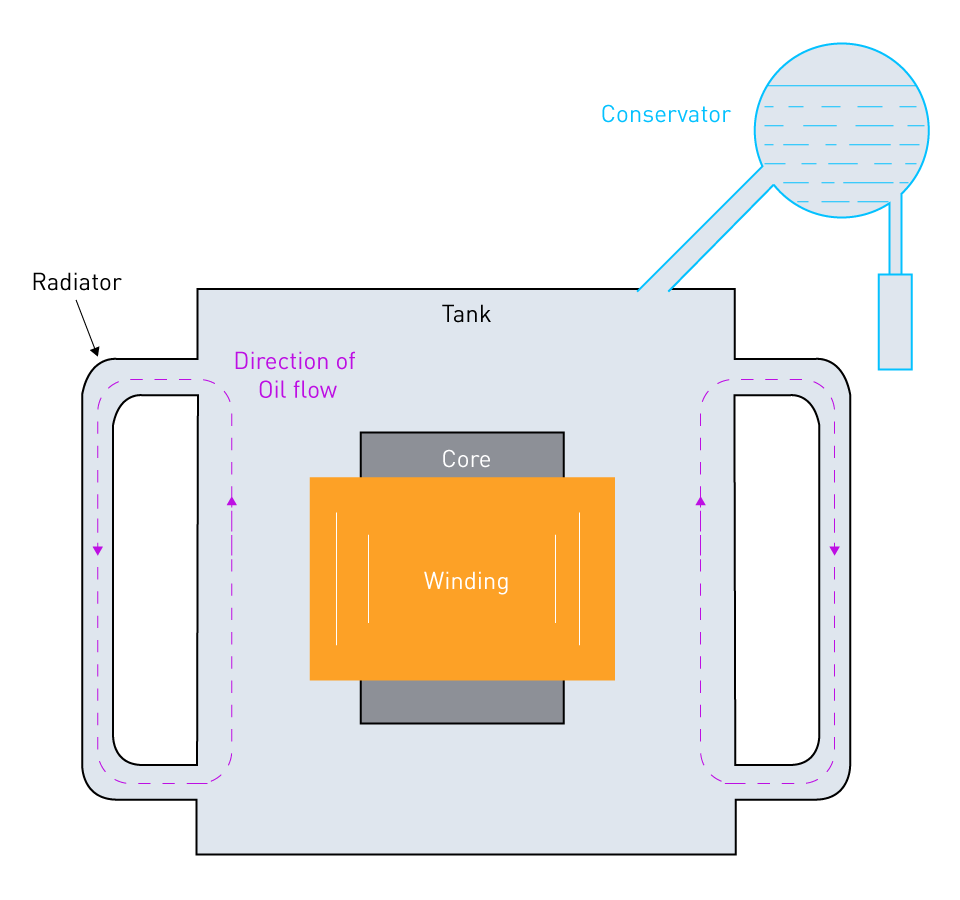
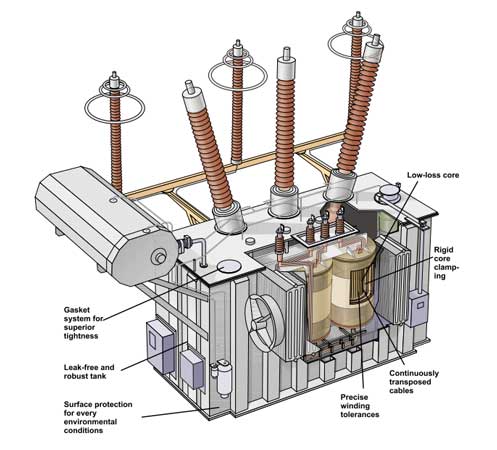
An oil immersed transformer operates by transferring electrical energy between circuits through indução eletromagnética, while using insulating oil for both electrical insulation and heat dissipation.
| Componente | Função |
|---|---|
| Essencial | Transfers magnetic flux efficiently and provides a low-reluctance path for magnetic flux |
| Enrolamentos | Conduct electrical current and transform voltage levels through electromagnetic induction |
| Óleo de transformador | Provides electrical insulation and dissipates heat generated during operation |
| Tanque de óleo | Houses and protects the internal components and contains the insulating oil |
| Radiador / Sistema de resfriamento | Removes heat generated during operation and helps maintain a safe operating temperature |
| Enrolamento de alta tensão | Carries current at the high-voltage side and provides the required voltage transformation |
| Enrolamento de baixa tensão | Carries current at the low-voltage side and transfers electrical energy to or from the high-voltage circuit |
| Sistema de Isolamento | Electrically isolates the windings, essencial, and other energized components to prevent insulation failure |
| Bushing | Provides an insulated connection between the internal windings and external electrical circuits |
| Trocador de toque | Adjusts the transformer turns ratio to regulate the output voltage under specified operating conditions |
| Conservator Tank | Accommodates the expansion and contraction of transformer oil caused by temperature changes |
| Respiradouro | Prevents moisture and contaminants from entering the transformer while allowing air exchange |
| Indicador de nível de óleo | Monitors the level of transformer oil and helps detect abnormal oil-level conditions |
| Indicador de temperatura | Monitors oil or winding temperature to help prevent overheating |
| Dispositivo de alívio de pressão | Releases excessive internal pressure to protect the transformer tank during abnormal conditions |
| Grounding Terminal | Provides a reliable connection to ground for electrical safety and fault-current protection |
Durante a operação, o óleo do transformador circula dentro do tanque, absorvendo o calor do núcleo e dos enrolamentos e transferindo-o para os radiadores de resfriamento, garantindo um desempenho estável e seguro.
Tipos de transformadores imersos em óleo
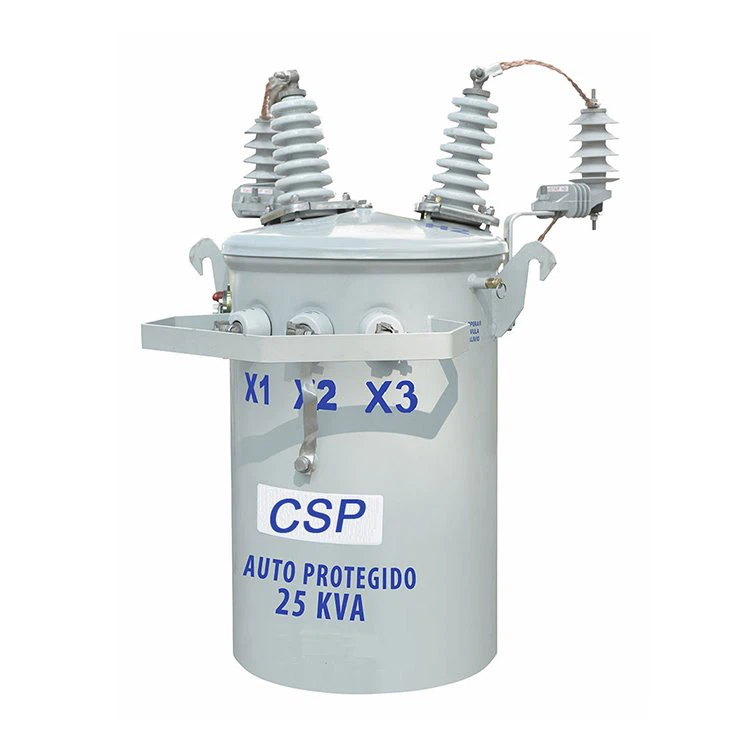
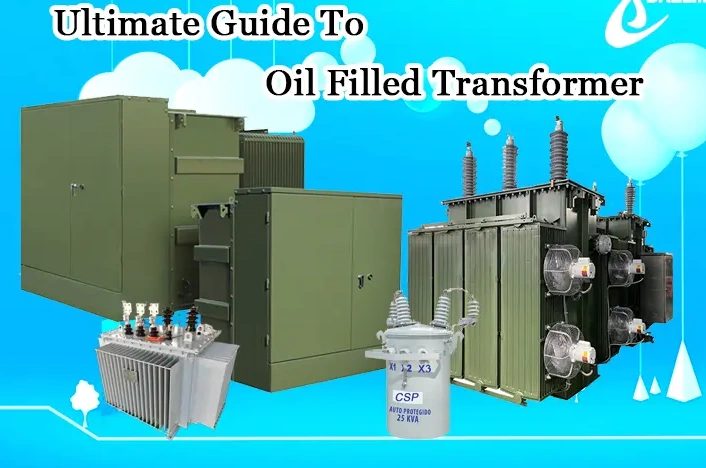
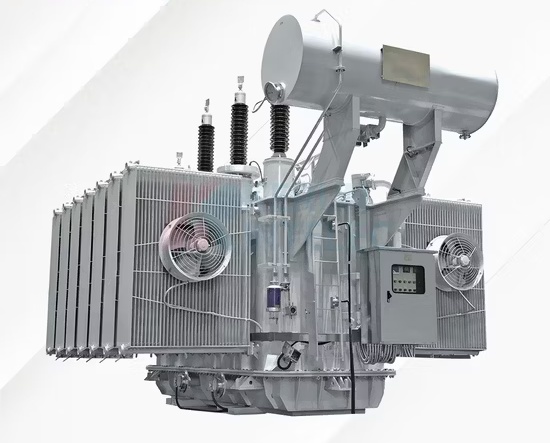
- Transformadores de distribuição – Usado em redes locais de distribuição de energia para fornecer eletricidade a usuários residenciais e comerciais.
- Transformadores de potência – Projetado para transmissão de alta tensão e grandes subestações.
- Transformadores Trifásicos – Comumente usado em sistemas de energia industriais e utilitários.
- Transformadores de Energia Renovável – Integrado com parques solares e usinas eólicas.
Vantagens dos transformadores imersos em óleo
- Excelente desempenho de isolamento – O óleo do transformador fornece forte rigidez dielétrica
- Resfriamento Eficiente – A circulação de óleo ajuda a dissipar o calor de forma eficaz
- Alta confiabilidade – Adequado para operação contínua em redes elétricas
- Longa vida útil – Normalmente opera por 25 a 30 anos com manutenção adequada
- Alta capacidade de carga – Lida com cargas elétricas pesadas em aplicações industriais
perfil de companhia
Luoyang Datang Tecnologia de Energia Co., Ltda. é uma empresa de alta tecnologia que integra R&D, fabricação, e fornecimento de equipamentos de energia e soluções de energia renovável. Especializada em transformadores, novos componentes de energia, armários de distribuição, e inversores, expandimos nosso portfólio para incluirsistemas de energia solar, armazenamento de energia soluções, ebombas de calor de fonte de ar. Com a inovação tecnológica como nosso núcleo, nos concentramos na criação de soluções de energia e eficiência energética de alta confiabilidade e alto desempenho para atender clientes globais. Através de um rigoroso sistema de controle de qualidade e certificação de padrão internacional, entregamos continuamente produtos excelentes que capacitam nossos clientes a construir, estável, e sistemas de energia sustentáveis.
Se você está procurando um produto de alta qualidadeTransformador imerso em óleo fornecedor, convidamos você a entrar em contato conosco ou clicar em produtos relacionados para consultar.
Métodos de pagamento para transformador imerso em óleo
L/C, T/T, Western Union, PayPal, Cartão de crédito etc..
Remessa de Transformador Imerso em Óleo
Assim que o pagamento for recebido, por mar, de avião, ou por expresso o mais rápido possível.
Perguntas frequentes sobre transformadores imersos em óleo
1. O que é um transformador imerso em óleo?
An oil immersed transformer is a transformer that uses insulating oil as both a cooling medium and electrical insulation durante a operação. The transformer oil surrounds the core and windings, helping transfer heat away from the active components while providing insulation between energized parts.
Transformadores imersos em óleo são amplamente utilizados em transmissão de energia, distribuição, industrial, comercial, e aplicações de energia renovável.
2. Por que o óleo de transformador é usado?
Transformer oil performs two important functions: electrical insulation and heat dissipation.
It helps prevent electrical breakdown between internal components while also carrying heat generated by the core and windings to the cooling surfaces, such as radiators.
High-quality transformer oil can therefore contribute to operação estável, effective cooling, and longer equipment service life.
3. Qual é a vida útil de um transformador imerso em óleo?
With proper design, instalação, operação, e manutenção, an oil immersed transformer can typically operate reliably for 25–30 years or longer.
The actual service life depends on factors such as:
- Operating load
- Temperatura
- Insulation condition
- Transformer oil quality
- Moisture levels
- Short-circuit events
- Cooling system performance
- Maintenance practices
Regular inspection and condition monitoring can help identify potential problems and extend the transformer's useful operating life.
4. Onde os transformadores imersos em óleo são usados?
Transformadores imersos em óleo são amplamente utilizados em:
- Usinas de energia
- Subestações elétricas
- Distribution networks
- Industrial facilities
- Commercial power systems
- Projetos de energia renovável
- Usinas de energia solar
- Wind power projects
- Large infrastructure projects
They are particularly suitable for applications requiring high power capacity and efficient heat dissipation.
5. Qual é a diferença entre transformadores imersos em óleo e do tipo seco?
Oil immersed transformers use insulating oil for cooling and electrical insulation, while dry-type transformers use air and/or solid insulation materials such as resin.
Oil immersed transformers are commonly selected for higher-capacity applications and outdoor installations, while dry-type transformers are often preferred where fire safety, indoor installation, or reduced maintenance of liquid insulation is a priority.
The appropriate type depends on the capacidade, ambiente de instalação, requisitos de segurança, and project specifications.
6. How does an oil immersed transformer work?
An oil immersed transformer operates according to the principle of indução eletromagnética.
When alternating current flows through the primary winding, it creates a changing magnetic field in the transformer core. This changing magnetic flux induces voltage in the secondary winding.
The transformer oil surrounds the core and windings, providing electrical insulation and transferring heat generated during operation to the cooling system.
7. What are the main components of an oil immersed transformer?
The main components typically include:
- Núcleo Magnético – Provides a low-reluctance path for magnetic flux.
- Enrolamento de alta tensão – Handles the high-voltage side of the transformer.
- Enrolamento de baixa tensão – Handles the low-voltage side.
- Óleo de transformador – Provides insulation and cooling.
- Tanque de óleo – Contains the oil and protects internal components.
- Radiators – Dissipate heat from the transformer oil.
- Buchas – Provide insulated electrical connections to external circuits.
- Trocador de toque – Adjusts the voltage ratio when required.
- Conservator Tank – Accommodates changes in oil volume caused by temperature variations.
- Respiradouro – Helps prevent moisture from entering the transformer.
8. How is an oil immersed transformer cooled?
Heat generated by the transformer core and windings is transferred to the surrounding transformer oil. The heated oil then circulates toward the radiators or other cooling equipment, where heat is released into the surrounding environment.
Depending on the transformer design and capacity, cooling can use natural circulation, forced oil circulation, resfriamento de ar natural, ou resfriamento de ar forçado.
Larger transformers may use fans and oil pumps to improve heat dissipation.
9. How often should transformer oil be inspected or tested?
Transformer oil should be monitored periodically according to the manufacturer's recommendations, operating conditions, and applicable standards.
Common tests may evaluate:
- Teor de umidade
- Rigidez dielétrica
- Acidez
- Dissolved gases
- Oil condition
- Contaminação
- Oxidation condition
Regular oil testing can help identify insulation deterioration, superaquecimento, arcing, and other potential internal problems at an early stage.
10. Does an oil immersed transformer require regular maintenance?
Sim. Regular maintenance helps maintain safe and reliable transformer operation.
Typical maintenance activities include:
- Checking transformer oil level and condition
- Inspecting for oil leakage
- Checking bushings and terminals
- Inspecting radiators and cooling equipment
- Monitoring oil and winding temperatures
- Checking the conservator and breather
- Testing insulation performance
- Inspecting the tap changer
- Checking protection and monitoring devices
The maintenance interval should be determined according to the transformer design, operating environment, condições de carga, and manufacturer recommendations.