Electronic Components Supplier | Transformers, Inductors, Inverters


📷 Energy Storage System Architecture
1. Why Energy Storage is Becoming Critical Infrastructure
With the rapid global transition toward renewable energy, Energy Storage Systems (ESS) are no longer optional—they are becoming essential infrastructure.
Key drivers include:
- 🌍 Increasing penetration of solar and wind power
- ⚡ Growing demand for grid stability and frequency regulation
- 💰 Rising electricity price volatility and peak-valley arbitrage
Energy storage is now the backbone of modern power systems.
2. Core Components of an Energy Storage System
A typical Battery Energy Storage System (BESS) includes:
| Component | Function | Key Features |
|---|---|---|
| Battery System | Stores energy | Cycle life, safety, energy density |
| PCS (Power Conversion System) | AC/DC conversion | Efficiency, response time |
| EMS (Energy Management System) | Smart control | Optimization algorithms |
| BMS (Battery Management System) | Battery protection | Voltage balancing, temperature control |
| Thermal Management | Temperature regulation | Air cooling / Liquid cooling |
3. Technology Comparison (2026 Update)
| Technology | Advantages | Disadvantages | Applications |
|---|---|---|---|
| Lithium-ion | Mature, efficient | Higher cost | C&I, solar storage |
| LFP (LiFePO4) | Safe, long life | Lower energy density | Mainstream storage |
| Sodium-ion | Low cost | Emerging tech | Future potential |
| Flow battery | Long lifespan | Large size | Utility-scale |
| Compressed air | Large-scale | High CAPEX | Grid-level |
👉 LFP dominates over 70% of the global market
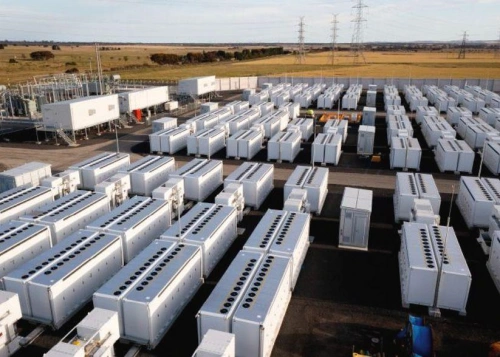
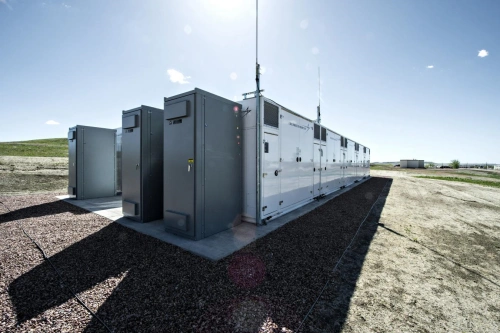
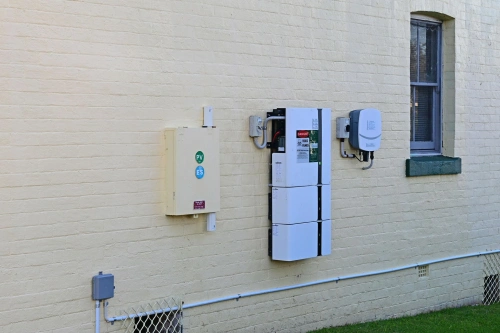
📷 Commercial & Industrial Energy Storage
4. Fast-Growing Segment: C&I Energy Storage
Commercial & Industrial (C&I) energy storage is the fastest-growing market.
Key Applications:
- 🏭 Peak shaving for factories
- 🏢 Backup power for commercial buildings
- 🌞 Solar self-consumption
- ⚡ Demand response programs
5. Key Selection Criteria for Buyers
Important parameters for international buyers:
| Parameter | Recommended Value |
|---|---|
| Cycle Life | ≥6000 cycles |
| System Efficiency | ≥90% |
| Depth of Discharge | 80–95% |
| Response Time | <100 ms |
| Certifications | UL, IEC, CE |
6. Case Study: Middle East Industrial Project
- Capacity: 1MWh
- Application: Solar + Storage
- Goal: Reduce peak electricity cost
Results:
- Electricity cost reduced by ~30%
- Payback period: 3–5 years
👉 Liquid cooling is critical in high-temperature regions
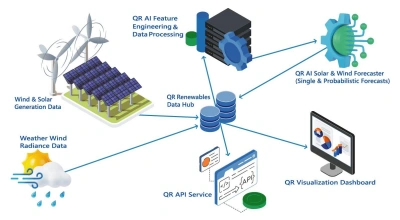
7. Future Trend: AI + Energy Storage
Energy storage is evolving into an intelligent system:
- 🤖 AI-based load prediction
- ⚙️ Automated charge/discharge optimization
- 📊 Cloud-based monitoring
8. Conclusion
Energy storage is a key enabler of the global energy transition.
For exporters and manufacturers:
- Focus on LFP technology
- Provide scenario-based solutions
- Enhance high-temperature performance
RELATED POSTS
Can solar inverter work without battery?

New breakthroughs in the application field of high-voltage epoxy resin pillar insulators

3 Phase Distribution Transformer: The Backbone of Modern Power Distribution

Porcelain composite high-voltage insulators shine brightly in the construction of smart grids

Power Resistor Heat Sink: Provides stable and efficient heat management solutions for power equipment