Fornitore di componenti elettronici | Trasformatori, Induttori, Invertitori


📷 Architettura del sistema di accumulo dell'energia
1. Why Energy Storage is Becoming Critical Infrastructure
With the rapid global transition toward renewable energy, Sistemi di accumulo dell'energia (ESS) are no longer optional—they are becoming essential infrastructure.
Key drivers include:
- 🌍 Increasing penetration of solar and wind power
- ⚡ Growing demand for grid stability and frequency regulation
- 💰 Rising electricity price volatility and peak-valley arbitrage
Energy storage is now the backbone of modern power systems.
2. Core Components of an Energy Storage System
A typical Battery Energy Storage System (BESS) includes:
| Componente | Funzione | Caratteristiche principali |
|---|---|---|
| Battery System | Stores energy | Cycle life, sicurezza, energy density |
| PZ (Power Conversion System) | AC/DC conversion | Efficienza, response time |
| SME (Sistema di gestione dell'energia) | Smart control | Optimization algorithms |
| BMS (Sistema di gestione della batteria) | Battery protection | Voltage balancing, temperature control |
| Gestione termica | Temperature regulation | Air cooling / Raffreddamento a liquido |
3. Confronto tecnologico (2026 Aggiornamento)
| Tecnologia | Vantaggi | Svantaggi | Applicazioni |
|---|---|---|---|
| Ioni di litio | Mature, efficiente | Higher cost | C&IO, solar storage |
| LFP (LiFePO4) | Safe, long life | Lower energy density | Mainstream storage |
| Sodium-ion | Low cost | Emerging tech | Future potential |
| Flow battery | Lunga durata | Large size | Utility-scale |
| Compressed air | Large-scale | High CAPEX | Grid-level |
👉 LFP dominates over 70% of the global market
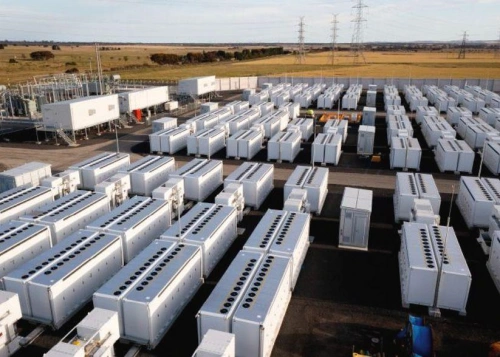
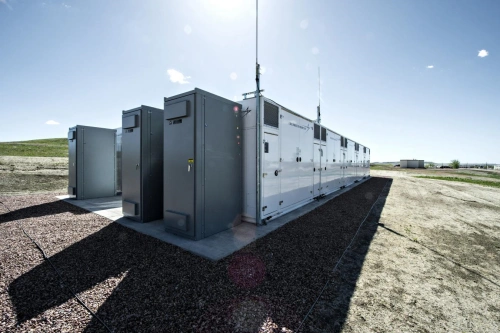
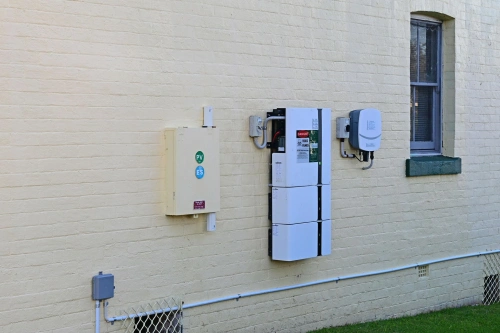
📷 Commercial & Stoccaggio dell'energia industriale
4. Fast-Growing Segment: C&I Energy Storage
Commerciale & Industriale (C&IO) energy storage is the fastest-growing market.
Applicazioni chiave:
- 🏭 Peak shaving for factories
- 🏢 Backup power for commercial buildings
- 🌞 Solar self-consumption
- ⚡ Demand response programs
5. Key Selection Criteria for Buyers
Important parameters for international buyers:
| Parametro | Recommended Value |
|---|---|
| Ciclo di vita | ≥6000 cicli |
| Efficienza del sistema | ≥90% |
| Depth of Discharge | 80–95% |
| Tempo di risposta | <100 ms |
| Certificazioni | UL, CEI, CE |
6. Case Study: Middle East Industrial Project
- Capacità: 1MWh
- Applicazione: Solare + Magazzinaggio
- Goal: Reduce peak electricity cost
Results:
- Electricity cost reduced by ~30%
- Payback period: 3–5 years
👉 Liquid cooling is critical in high-temperature regions
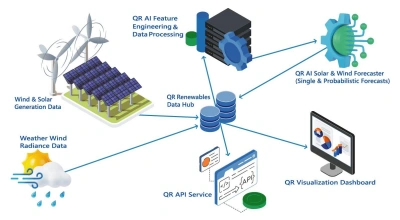
7. Future Trend: AI + Stoccaggio dell'energia
Energy storage is evolving into an intelligent system:
- 🤖 AI-based load prediction
- ⚙️ Automated charge/discharge optimization
- 📊 Cloud-based monitoring
8. Conclusione
Energy storage is a key enabler of the global energy transition.
For exporters and manufacturers:
- Focus on LFP technology
- Provide scenario-based solutions
- Enhance high-temperature performance
POST CORRELATI

BT152 Tiristore: un componente chiave nel controllo della potenza
IL 500 Trasformatore riempito d'olio kVA: Alimentare le industrie con un'affidabilità senza pari
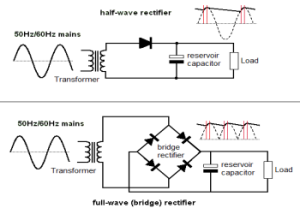
Quali sono i vantaggi dell'utilizzo di diodi a recupero ultrarapido con raddrizzatore a semionda ad alta frequenza nelle apparecchiature elettroniche di potenza?
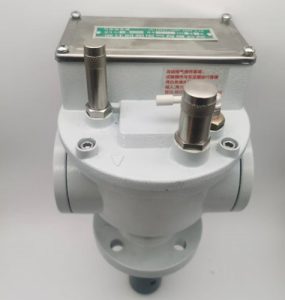
Analisi completa del principio di funzionamento del relè gas: IL “prima linea di difesa” per guasti interni nei trasformatori immersi in olio
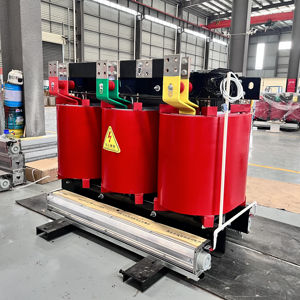
Come scegliere tra trasformatori a secco e trasformatori immersi in olio? 5 considerazioni per aiutarti a prendere decisioni