


مورد المكونات الإلكترونية | محولات, المحاثات, العاكسون


مقدمة: العمود الفقري الصامت للحضارة الحديثة
في كل مرة تقوم فيها بقلب المفتاح, اشحن هاتفك, أو بث فيلم, أنت تستغل نطاقًا واسعًا, شبكة معقدة من الطاقة الكهربائية. هذه الرحلة من محطة توليد الكهرباء إلى منفذ البيع الخاص بك أصبحت ممكنة بفضل واحدة من أهمها, ومع ذلك يتم تجاهله في كثير من الأحيان, قطع من التكنولوجيا: ال محول. ولكن ليست كل المحولات متساوية. في عالم توزيع, يظهر لاعبان رئيسيان: ال محول حي و محول دي تي آر. اليوم, نحن على أعتاب حقبة جديدة حيث يتم دمج هذه الأجهزة الأساسية مع الذكاء الاصطناعي, خلق أكثر ذكاء, أكثر مرونة, وفعالة المحول والتوزيع شبكة. تتناول هذه المقالة هذا التطور التكنولوجي, واستكشاف كيفية التصدي لتحديات الطاقة الحديثة وتمهيد الطريق لمستقبل مستدام.
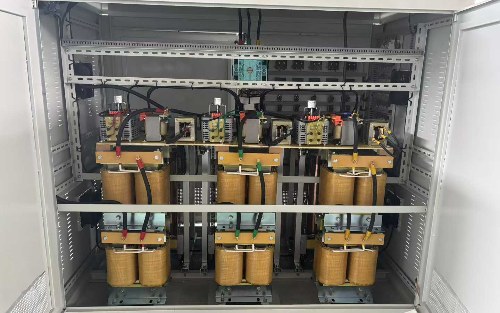
مخطط داخلي لمحول التوزيع
1. فهم جوهر: محولات التوزيع (محول حي)
في قلبها, أمحول هو جهاز كهربائي ثابت ينقل الطاقة الكهربائية بين دائرتين أو أكثر من خلال الحث الكهرومغناطيسي. وظيفتها الأساسية هي تغيير مستويات الجهد. أمحول حي, قصيرة لمحول التوزيع, هي الحلقة الأخيرة في سلسلة إمداد الكهرباء. إنه الصندوق الموجود في كل مكان والذي تراه على أعمدة الكهرباء أو في الخزانات الموجودة على مستوى الأرض في منطقتك.
1.1 دور محول التوزيع
المحول حي يؤدي مهمة بسيطة ولكنها حيوية: فهو يخفض الجهد من مستوى التوزيع الأساسي (عادة في نطاق 11 كيلو فولت أو 33 كيلو فولت) إلى الجهد المنخفض (240فولت/120 فولت أو 415 فولت) وهو آمن للاستخدام في المنازل, الشركات, والصناعات الصغيرة. إنه يعمل 24/7, تم تصميمه لتحقيق كفاءة عالية في الأحمال الجزئية, وقد تم تحسينه لتحقيق فعالية التكلفة نظرًا لنشره على نطاق واسع عبر الشبكة.
1.2 الخصائص الرئيسية لمحول التوزيع القياسي
- كفاءة: مصممة لتقليل فقدان الطاقة (خسائر النحاس والحديد) أثناء عملية خفض الجهد.
- متانة: مصممة لتحمل الضغوطات البيئية مثل تقلبات درجات الحرارة, مطر, والرطوبة.
- عملية مستمرة: يعمل عادةً بأقل من التحميل الكامل ولكنه يعمل دائمًا, مما يجعل خسائر عدم التحميل عاملاً حاسماً في الكفاءة.
2. التطور القادم: مقوم محول التوزيع (محول دي تي آر)
بينمامحول حي يعالج التيار المتردد (التيار المتردد) قوة, تتطلب العديد من التطبيقات الحديثة – بدءًا من النقل الجماعي إلى العمليات الصناعية وتكامل الطاقة المتجددة – استخدام التيار المباشر (التيار المباشر) قوة. هذا هو المكانمحول دي تي آر, أومقوم محول التوزيع, يدخل حيز التنفيذ.
2.1 ما هو محول DTR?
أمحول دي تي آر هي وحدة متكاملة تجمع بين أمحول التوزيع مع الجمعية المعدل. وظيفتها ذات شقين:
- تحويل: قم بخفض جهد دخل التيار المتردد العالي إلى جهد تيار متردد أقل, تماما مثل المعيار محول حي.
- تصحيح: قم بتحويل جهد التيار المتردد المنخفض إلى جهد خرج ثابت للتيار المستمر باستخدام أجهزة أشباه الموصلات مثل الثنائيات أو الثايرستور.
2.2 التطبيقات الرئيسية لمحولات DTR
- 2.2.1 أنظمة النقل الجماعي: القطارات الكهربائية, الترام, وغالبًا ما تعمل مترو الأنفاق بطاقة التيار المستمر. محولات دي تي آر يتم تركيبها في محطات فرعية على طول الطرق لتوفير قوة الجر DC اللازمة.
- 2.2.2 العمليات الصناعية: التحليل الكهربائي, محركات كبيرة تعمل بالتيار المستمر, وتعتمد أنظمة شحن البطاريات على طاقة التيار المستمر القوية التي توفرها دي تي آر وحدات.
- 2.2.3 تكامل الطاقة المتجددة: غالبًا ما يحتاج مخرج التيار المستمر من مزارع الطاقة الشمسية أو أنظمة تخزين البطاريات إلى المزامنة والاتصال بشبكة التيار المتردد, عملية حيث دي تي آر تلعب الأنظمة دورًا داعمًا في تحويل الطاقة.
3. القفزة الرقمية: الذكاء الاصطناعي وإنترنت الأشياء في إدارة المحولات والتوزيع
الثورة الحقيقية فيالمحول والتوزيع القطاع لا يقتصر فقط على الأجهزة ولكن في مجال الذكاء. تكامل أجهزة الاستشعار, إنترنت الأشياء (إنترنت الأشياء) الاتصال, والذكاء الاصطناعي (منظمة العفو الدولية) يقوم بإنشاء “الشبكة الذكية” هذا هو الشفاء الذاتي, فعال, والتنبؤية.
3.1 من الأجهزة الغبية إلى الأجهزة الذكية, الأصول المتصلة
حديثمحول حي ومحول دي تي آر يمكن تجهيز الوحدات بمجموعة من أجهزة الاستشعار التي تراقب:
- درجة الحرارة والحمل: مراقبة في الوقت الحقيقي لدرجة حرارة الزيت واللف.
- الاهتزاز والضوضاء: اكتشاف الحالات الشاذة التي تشير إلى أعطال ميكانيكية أو ارتخاء في المكونات.
- التفريغ الجزئي: علامة إنذار مبكر رئيسية لتدهور العزل والفشل الوشيك.
يتم نقل هذه البيانات عبر شبكات إنترنت الأشياء إلى منصات سحابية مركزية لتحليلها.
3.2 دور الذكاء الاصطناعي والتحليلات التنبؤية
هذا هو المكان الذي يحدث فيه السحر. تقوم خوارزميات الذكاء الاصطناعي بمعالجة التدفقات الهائلة من البيانات من آلافتوزيع أصول.
- الصيانة التنبؤية: يمكن للذكاء الاصطناعي التنبؤ بالفشل قبل حدوثه. من خلال تحليل الاتجاهات في درجات الحرارة, حمولة, والتفريغ الجزئي, يمكن للمرافق جدولة الصيانة لفترة معينة محول حي خلال فترات انخفاض الطلب, منع الانقطاعات المكلفة غير المخطط لها.
- التنبؤ بالأحمال وإدارتها: يمكن للذكاء الاصطناعي تحليل بيانات الاستهلاك التاريخية, أنماط الطقس, وحتى الأحداث المحلية للتنبؤ بالطلب على الكهرباء على المستوى المحلي المفرط. وهذا يسمح بموازنة الحمل الديناميكي عبر توزيع شبكة, تحسين أداء كل محول وإطالة عمره.
- تكامل موارد الطاقة الموزعة (DERs): مع إضافة المزيد من المنازل للألواح الشمسية والمركبات الكهربائية, يصبح تدفق الطاقة التقليدي أحادي الاتجاه في اتجاهين. هذا يمكن أن يسبب تقلبات الجهد والحمل الزائد المحلي محولات المقاطعة. يمكن للأنظمة التي يديرها الذكاء الاصطناعي التحكم ديناميكيًا في هذه التدفقات, ضمان استقرار الشبكة ومنعها محول الزائد.
4. النقطة الساخنة: لماذا هذا مهم الآن أكثر من أي وقت مضى
تحديثالمحول والتوزيع تعد البنية التحتية نقطة ساخنة عالمية حرجة لعدة أسباب:
- البنية التحتية للشيخوخة: في العديد من البلدان, الشبكة قديمة وفاشلة. ذكي محول توفر التكنولوجيا طريقة فعالة من حيث التكلفة لتحديثها.
- التحول إلى الطاقة المتجددة: إن التحول إلى طاقة الرياح والطاقة الشمسية متغير ولا مركزي. ذكي, مرن توزيع شبكة, تدار من قبل منظمة العفو الدولية, ضروري للتعامل مع هذا التعقيد.
- ارتفاع الطلب على الطاقة: مراكز البيانات, المركبات الكهربائية, كما أن كهربة الصناعات تدفع الطلب إلى الارتفاع. فعال توزيع هو المفتاح لتلبية هذا الطلب دون بناء محطات طاقة جديدة باهظة الثمن.
- القدرة على التكيف مع تغير المناخ: يمكن للشبكات الذكية ذات قدرات الإصلاح الذاتي إعادة توجيه الطاقة تلقائيًا حول المعدات التالفة بعد الأحداث الجوية القاسية, تقليل أوقات الانقطاع بشكل كبير.

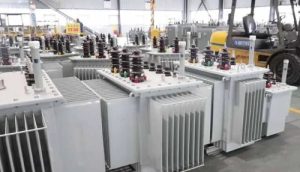
صورة محول التوزيع
خاتمة: الشبكة الذكية هنا
المتواضعمحول لقد قطع شوطا طويلا. من الأساسيةمحول حي تزويد أحياءنا بالمتخصصينمحول دي تي آر قيادة قطاراتنا وصناعاتنا, هذه الأجهزة هي الأبطال المجهولون في عالمنا المكهرب. الآن, من خلال الجمع بين هذه الأجهزة وتألق برامج الذكاء الاصطناعي وإنترنت الأشياء, نحن ندخل عصرًا جديدًا من الطاقةتوزيع. لا تعد هذه الشبكة الذكية بتوفير الطاقة فحسب, ولكن للقيام بذلك بكفاءة لا مثيل لها, مصداقية, والاستدامة, تشكل حجر الأساس لمستقبل الطاقة النظيفة لدينا. للمرافق, الصناعات, والمستهلكين على حد سواء, إن فهم هذا التحول لم يعد دقة فنية، بل أصبح ضرورة اقتصادية وبيئية.
شركة لويانغ داتانغ لتكنولوجيا الطاقة المحدودة. هي مؤسسة التكنولوجيا الفائقة دمج R&د, تصنيع وتوريد معدات الطاقة مثل المحولات, مكونات الطاقة الجديدة, خزائن التوزيع والعاكسات. مع الابتكار التكنولوجي باعتبارها جوهر, نحن نركز على إنشاء حلول طاقة عالية الموثوقية والأداء لخدمة العملاء العالميين. مع نظام صارم لمراقبة الجودة وشهادة المعايير الدولية, نواصل إنتاج منتجات ممتازة وتمكين العملاء من بناء أنظمة طاقة آمنة ومستقرة.
إذا كان لديك أي أسئلة, فلا تتردد في الاتصال بنا!
هاتف.: 0086-173 9637 0277
وي شات: 0086-173 9637 0277
واتساب: 0086-173 9637 0277
بريد إلكتروني: sales@pddn.com
المشاركات ذات الصلة

11دليل أسعار محولات كيلو فولت: عوامل, الاتجاهات, وأفضل العروض في 2024

ما هو محول ثلاثي الطور?

اكتشف سر الجهد العالي لصمام ثنائي الاسترداد السريع!

دور وطريقة تنفيذ وحدة التكرار الثنائي في تقليل احتمالية فشل النظام وتحسين موثوقية المعدات
محول الطاقة مقابل. محول التوزيع: الاختلافات والتطبيقات الرئيسية
