


Pemasok Komponen Elektronik | transformator, Induktor, Inverter


Perkenalan: The Silent Backbone of Modern Civilization
Every time you flip a switch, isi daya ponsel Anda, atau streaming film, Anda memanfaatkan hal yang sangat luas, jaringan tenaga listrik yang rumit. This journey from power plant to your outlet is made possible by one of the most critical, yet often overlooked, pieces of technology: itu transformator. But not all transformers are created equal. In the realm of distribusi, two key players emerge: itu Transformator Jarak Jauh and the Transformator DTR. Hari ini, we are on the cusp of a new era where these fundamental devices are being integrated with artificial intelligence, creating a smarter, more resilient, and efficient transformer and distribution grid. This article delves into this technological evolution, exploring how it addresses modern energy challenges and paves the way for a sustainable future.
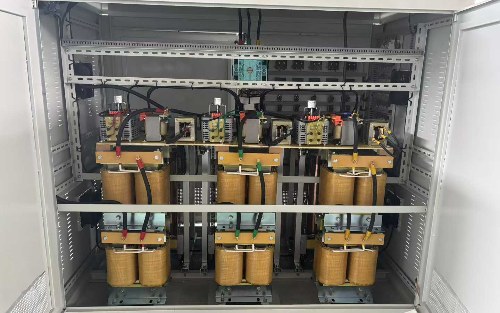
Internal diagram of distribution transformer
1. Understanding the Core: Transformator Distribusi (Transformator Jarak Jauh)
At its heart, Atransformator is a static electrical device that transfers electrical energy between two or more circuits through electromagnetic induction. Its primary function is to change voltage levels. ATransformator Jarak Jauh, short forTrafo Distribusi, is the final link in the electricity supply chain. It is the ubiquitous box you see on utility poles or in ground-level cabinets in your neighborhood.
1.1 The Role of a Dist Transformer
ItuTransformator Jarak Jauh performs a simple but vital task: it steps down the voltage from the primary distribution level (typically in the range of 11kV or 33kV) to a low voltage (240V/120V or 415V) that is safe for use in homes, bisnis, and small industries. It operates 24/7, is designed for high efficiency at partial loads, and is optimized for cost-effectiveness due to its massive deployment across the grid.
1.2 Key Characteristics of a Standard Dist Transformer
- Efisiensi: Designed to minimize energy losses (copper and iron losses) during the voltage step-down process.
- Daya tahan: Built to withstand environmental stressors like temperature fluctuations, hujan, dan kelembaban.
- Constant Operation: Typically operates at less than full load but is always on, making its no-load losses a critical efficiency factor.
2. The Next Evolution: The Distribution Transformer Rectifier (Transformator DTR)
While theTransformator Jarak Jauh handles AC (Alternating Current) kekuatan, many modern applications—from mass transit to industrial processes and renewable energy integration—require DC (Direct Current) kekuatan. This is where theTransformator DTR, atauDistribution Transformer Rectifier, comes into play.
2.1 What is a DTR Transformer?
ATransformator DTR is an integrated unit that combines atrafo distribusi with a rectifier assembly. Its function is twofold:
- Transform: Step down the high AC input voltage to a lower AC voltage, just like a standard Transformator Jarak Jauh.
- Rectify: Convert that lower AC voltage into a stable DC output voltage using semiconductor devices like diodes or thyristors.
2.2 Key Applications of DTR Transformers
- 2.2.1 Mass Transit Systems: Electric trains, trams, and subways often run on DC power. DTR Transformers are installed at substations along the routes to provide the necessary DC traction power.
- 2.2.2 Industrial Processes: Electrolysis, large DC motor drives, and battery charging systems rely on the robust DC power supplied by DTR unit.
- 2.2.3 Integrasi Energi Terbarukan: The DC output from solar farms or battery storage systems often needs to be synchronized and connected to the AC grid, a process where DTR systems play a supporting role in power conversion.
3. The Digital Leap: AI and IoT in Transformer and Distribution Management
The true revolution in thetransformer and distribution sector is not just in hardware but in intelligence. The integration of sensors, Internet of Things (IoT) connectivity, and Artificial Intelligence (AI) is creating a “jaringan pintar” that is self-healing, efisien, and predictive.
3.1 From Dumb Hardware to Smart, Connected Assets
ModernTransformator Jarak Jauh DanTransformator DTR units can be outfitted with a suite of sensors that monitor:
- Temperature and Load: Real-time monitoring of oil and winding temperature.
- Vibration and Noise: Detecting anomalies that indicate mechanical faults or loosening components.
- Pelepasan Sebagian: A key early warning sign of insulation degradation and impending failure.
This data is transmitted via IoT networks to centralized cloud platforms for analysis.
3.2 The Role of AI and Predictive Analytics
This is where the magic happens. AI algorithms process the vast streams of data from thousands ofdistribusi assets.
- Pemeliharaan Prediktif: AI can predict failures before they happen. By analyzing trends in temperature, memuat, and partial discharge, utilities can schedule maintenance for a specific Transformator Jarak Jauh during low-demand periods, preventing costly unplanned outages.
- Load Forecasting and Management: AI can analyze historical consumption data, weather patterns, and even local events to forecast electricity demand on a hyper-local level. This allows for dynamic load balancing across the distribusi network, optimizing the performance of every transformator and extending its lifespan.
- Integration of Distributed Energy Resources (DERs): As more homes add solar panels and EVs, the traditional one-way power flow becomes two-way. This can cause voltage fluctuations and overload local Dist Transformers. AI-managed systems can dynamically control these flows, ensuring grid stability and preventing transformator kelebihan muatan.
4. The Hotspot: Why This Matters Now More Than Ever
The modernization of thetransformer and distribution infrastructure is a critical global hotspot for several reasons:
- Aging Infrastructure: In many countries, the grid is old and failing. Cerdas transformator technology offers a cost-effective way to upgrade it.
- The Renewable Energy Transition: The shift to wind and solar power is variable and decentralized. A smart, fleksibel distribusi grid, managed by AI, is essential to handle this complexity.
- Rising Energy Demand: Pusat data, EV, and electrification of industries are pushing demand higher. Efisien distribusi is key to meeting this demand without building expensive new power plants.
- Climate Change Resilience: Smart grids with self-healing capabilities can automatically reroute power around damaged equipment after extreme weather events, drastically reducing outage times.

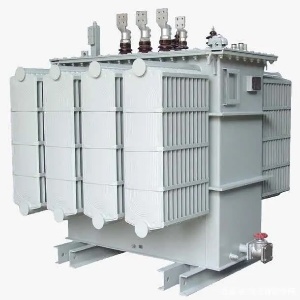
Picture of distribution transformer
Kesimpulan: The Intelligent Grid is Here
The humbletransformator has come a long way. From the basicTransformator Jarak Jauh powering our neighborhoods to the specializedTransformator DTR driving our trains and industries, these devices are the unsung heroes of our electrified world. Sekarang, by marrying this hardware with the software brilliance of AI and IoT, we are entering a new age of energydistribusi. This intelligent network promises not just to deliver power, but to do so with unparalleled efficiency, keandalan, dan keberlanjutan, forming the bedrock of our clean energy future. Untuk utilitas, industries, and consumers alike, understanding this transformation is no longer a technical nicety—it is an economic and environmental imperative.
Luoyang Datang Energy Technology Co., Ltd. adalah perusahaan teknologi tinggi yang mengintegrasikan R&D, manufaktur dan penyediaan peralatan listrik seperti trafo, komponen energi baru, lemari distribusi dan inverter. Dengan inovasi teknologi sebagai intinya, kami fokus pada penciptaan solusi kelistrikan dengan keandalan dan kinerja tinggi untuk melayani pelanggan global. Dengan sistem kendali mutu yang ketat dan sertifikasi berstandar internasional, kami terus menghasilkan produk unggulan dan memungkinkan pelanggan membangun sistem tenaga listrik yang aman dan stabil.
Jika Anda memiliki pertanyaan, jangan ragu untuk menghubungi kami!
Telp.: 0086-173 9637 0277
Wechat wechat: 0086-173 9637 0277
Ada apa: 0086-173 9637 0277
E-mail: penjualan@pddn.com
POSTINGAN TERKAIT
Panduan Utama untuk Transformator Terendam Minyak Tertutup Hermetik 1000kVA
Modul Daya Dioda: Kekuatan pendorong energi hijau
Di dalam Pabrik Kami: Bagaimana Relai Transformer Buchholz Diproduksi

Insulator Resin Epoksi Tegangan Tinggi: Peran Penting dalam Memastikan Kestabilan Operasi Sistem Tenaga
Cara pembuatan trafo terendam minyak
