電子部品サプライヤー | トランスフォーマー, インダクタ, インバータ


導入: The Silent Backbone of Modern Civilization
Every time you flip a switch, 携帯電話を充電する, または映画をストリーミングする, あなたは広大な領域を利用しています, 複雑な電力ネットワーク. This journey from power plant to your outlet is made possible by one of the most critical, yet often overlooked, pieces of technology: の トランス. But not all transformers are created equal. In the realm of 分布, two key players emerge: の ディストトランスフォーマー そして DTRトランス. 今日, we are on the cusp of a new era where these fundamental devices are being integrated with artificial intelligence, creating a smarter, more resilient, and efficient transformer and distribution grid. This article delves into this technological evolution, exploring how it addresses modern energy challenges and paves the way for a sustainable future.
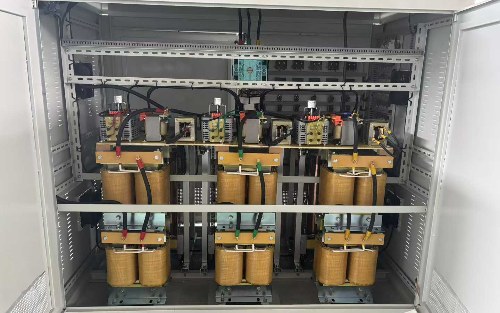
Internal diagram of distribution transformer
1. Understanding the Core: 配電変圧器 (ディストトランスフォーマー)
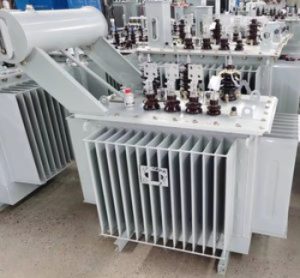
At its heart, あるトランス 電磁誘導を通じて 2 つ以上の回路間で電気エネルギーを伝達する静電気デバイスです。. Its primary function is to change voltage levels. あディストトランスフォーマー, short for配電変圧器, is the final link in the electricity supply chain. It is the ubiquitous box you see on utility poles or in ground-level cabinets in your neighborhood.
1.1 The Role of a Dist Transformer
のディストトランスフォーマー performs a simple but vital task: it steps down the voltage from the primary distribution level (typically in the range of 11kV or 33kV) to a low voltage (240V/120V or 415V) that is safe for use in homes, ビジネス, and small industries. It operates 24/7, is designed for high efficiency at partial loads, and is optimized for cost-effectiveness due to its massive deployment across the grid.
1.2 Key Characteristics of a Standard Dist Transformer
- 効率: Designed to minimize energy losses (copper and iron losses) during the voltage step-down process.
- 耐久性: Built to withstand environmental stressors like temperature fluctuations, 雨, 湿度と.
- Constant Operation: Typically operates at less than full load but is always on, making its no-load losses a critical efficiency factor.
2. The Next Evolution: The Distribution Transformer Rectifier (DTRトランス)
一方、ディストトランスフォーマー handles AC (Alternating Current) 力, many modern applications—from mass transit to industrial processes and renewable energy integration—require DC (Direct Current) 力. This is where theDTRトランス, またはDistribution Transformer Rectifier, comes into play.
2.1 What is a DTR Transformer?
あDTRトランス is an integrated unit that combines a配電変圧器 with a rectifier assembly. Its function is twofold:
- Transform: Step down the high AC input voltage to a lower AC voltage, just like a standard ディストトランスフォーマー.
- Rectify: Convert that lower AC voltage into a stable DC output voltage using semiconductor devices like diodes or thyristors.
2.2 Key Applications of DTR Transformers
- 2.2.1 Mass Transit Systems: Electric trains, trams, and subways often run on DC power. DTR Transformers are installed at substations along the routes to provide the necessary DC traction power.
- 2.2.2 Industrial Processes: Electrolysis, large DC motor drives, and battery charging systems rely on the robust DC power supplied by DTR 単位.
- 2.2.3 再生可能エネルギーの統合: The DC output from solar farms or battery storage systems often needs to be synchronized and connected to the AC grid, a process where DTR systems play a supporting role in power conversion.
3. The Digital Leap: AI and IoT in Transformer and Distribution Management
The true revolution in thetransformer and distribution sector is not just in hardware but in intelligence. The integration of sensors, Internet of Things (IoT) connectivity, and Artificial Intelligence (AI) is creating a “スマートグリッド” that is self-healing, 効率的, and predictive.
3.1 From Dumb Hardware to Smart, Connected Assets
モダンなディストトランスフォーマー そしてDTRトランス units can be outfitted with a suite of sensors that monitor:
- Temperature and Load: Real-time monitoring of oil and winding temperature.
- Vibration and Noise: Detecting anomalies that indicate mechanical faults or loosening components.
- 部分放電: A key early warning sign of insulation degradation and impending failure.
This data is transmitted via IoT networks to centralized cloud platforms for analysis.
3.2 The Role of AI and Predictive Analytics
This is where the magic happens. AI algorithms process the vast streams of data from thousands of分布 assets.
- 予知保全: AI can predict failures before they happen. By analyzing trends in temperature, 負荷, and partial discharge, utilities can schedule maintenance for a specific ディストトランスフォーマー during low-demand periods, preventing costly unplanned outages.
- Load Forecasting and Management: AI can analyze historical consumption data, weather patterns, and even local events to forecast electricity demand on a hyper-local level. This allows for dynamic load balancing across the 分布 network, optimizing the performance of every トランス and extending its lifespan.
- Integration of Distributed Energy Resources (DER): As more homes add solar panels and EVs, the traditional one-way power flow becomes two-way. This can cause voltage fluctuations and overload local Dist Transformers. AI-managed systems can dynamically control these flows, ensuring grid stability and preventing トランス 過負荷.
4. The Hotspot: Why This Matters Now More Than Ever
The modernization of thetransformer and distribution infrastructure is a critical global hotspot for several reasons:
- Aging Infrastructure: In many countries, the grid is old and failing. 頭いい トランス technology offers a cost-effective way to upgrade it.
- The Renewable Energy Transition: The shift to wind and solar power is variable and decentralized. A smart, フレキシブル 分布 grid, managed by AI, is essential to handle this complexity.
- Rising Energy Demand: データセンター, EV, and electrification of industries are pushing demand higher. 効率的 分布 is key to meeting this demand without building expensive new power plants.
- Climate Change Resilience: Smart grids with self-healing capabilities can automatically reroute power around damaged equipment after extreme weather events, drastically reducing outage times.

Picture of distribution transformer
結論: The Intelligent Grid is Here
The humbleトランス has come a long way. From the basicディストトランスフォーマー powering our neighborhoods to the specializedDTRトランス driving our trains and industries, these devices are the unsung heroes of our electrified world. 今, by marrying this hardware with the software brilliance of AI and IoT, we are entering a new age of energy分布. This intelligent network promises not just to deliver power, but to do so with unparalleled efficiency, 信頼性, そして持続可能性, forming the bedrock of our clean energy future. For utilities, 産業, and consumers alike, understanding this transformation is no longer a technical nicety—it is an economic and environmental imperative.
洛陽大唐エネルギー技術有限公司. Rを統合したハイテク企業です&D, 変圧器などの電力機器の製造・供給, 新しいエネルギー成分, 配電盤とインバータ. 技術革新を核に, 私たちは、世界中の顧客にサービスを提供するために、高信頼性と高性能の電源ソリューションの開発に注力しています。. 厳格な品質管理システムと国際規格認証を取得しています。, これからも優れた製品を世に送り出し、お客様の安全・安定した電力システムの構築をお手伝いします.
ご質問がございましたら, お気軽にお問い合わせください!
電話番号: 0086-173 9637 0277
微信: 0086-173 9637 0277
ワッツアップ: 0086-173 9637 0277
電子メール: sales@pddn.com