مورد المكونات الإلكترونية | محولات, المحاثات, العاكسون


مقدمة
بينما يتسارع العالم في تحوله إلى الطاقة المتجددة, مزارع الرياح البحرية أصبحت حجر الزاوية في توليد الطاقة النظيفة. وفي قلب أنظمة الطاقة البحرية هذه يكمن عنصر حاسم: المحول بحري. مصممة للعمل في البيئات البحرية القاسية, تضمن هذه المحولات المتخصصة نقل الطاقة بكفاءة من توربينات الرياح البحرية إلى الشبكات البرية. يستكشف هذا المقال الدور, التحديات, والابتكارات فيمحول بحري تكنولوجيا, جنبا إلى جنب مع اتجاهات السوق التي تشكل الصناعة.
ما هو المحول البحري?
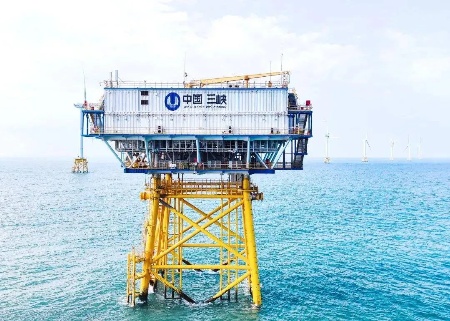
انمحول بحري هو محول كهربائي عالي الجهد مصمم خصيصًا للتطبيقات البحرية. تم التثبيت علىالمنصات البحرية, المحطات الفرعية, أو توربينات الرياح, وظيفتها الأساسية هيتصعيد الجهد الناتج عن توربينات الرياح (عادة 33 كيلو فولت ل 66 كيلو فولت) إلى مستويات انتقال أعلى (132 كيلو فولت ل 220 كيلو فولت أو أكثر) لنقل الطاقة بكفاءة لمسافات طويلة.
الميزات الرئيسية للمحولات البحرية:
✔مقاومة التآكل - بنيت معمواد من الدرجة البحرية لتحمل التعرض للمياه المالحة.
✔مدمج & تصميم خفيف الوزن - الأمثل للتثبيت على الهياكل البحرية العائمة أو الثابتة.
✔كفاءة عالية & مصداقية – يقلل من فقدان الطاقة ويضمن تكامل الشبكة المستقر.
✔أنظمة التبريد المتقدمة - الاستخداماتتبريد سائل أو جاف لمنع ارتفاع درجة الحرارة.
تطبيقات المحولات البحرية
1. مزارع الرياح البحرية
- تم تركيب المحولات في المحطات الفرعية البحرية جمع وتعزيز الطاقة من توربينات متعددة قبل نقلها إلى الشاطئ.
- تتطلب مزارع الرياح العائمة مدمج, مقاومة للاهتزاز محولات.
2. زيت & منصات الغاز
- تستخدم للسلطة منصات الحفر البحرية ومرافق المعالجة.
- يجب الالتزام بها مقاومة للانفجار (السابق) معايير السلامة.
3. نقل الطاقة تحت سطح البحر
- التقنيات الناشئة مثل المحولات تحت سطح البحر تمكين مشاريع الطاقة في المياه العميقة.
التحديات في تصميم المحولات البحرية
🔹الظروف البيئية القاسية – المياه المالحة, رطوبة, والطلب الشديد على الطقسختم قوي & الطلاءات المضادة للتآكل.
🔹وصول محدود للصيانة - تتطلب المواقع النائيةعمر خدمة طويل (25+ سنين) وتقنية الصيانة التنبؤية.
🔹قيود الفضاء - الطلب على المنصات البحريةالأصغر, المحولات المعيارية.
🔹استقرار الشبكة - يجب التعامل معهاانتاج طاقة الرياح المتغير دون تقلبات.
الابتكارات في تكنولوجيا المحولات البحرية
1. المحولات من النوع الجاف
- عدم وجود زيت = انخفاض خطر الحريق & عملية صديقة للبيئة
- مثالية لمزارع الرياح العائمة حيث يمكن أن يكون تسرب النفط كارثيًا.
2. المراقبة الذكية & أجهزة استشعار إنترنت الأشياء
- التشخيص في الوقت الحقيقي لدرجة الحرارة, حمولة, وصحة العزل.
- يحركها الذكاء الاصطناعي الصيانة التنبؤية يقلل من وقت التوقف عن العمل.
3. التيار المباشر عالي الجهد (اتش في دي سي) محولات
- ضروري ل الكابلات البحرية لمسافات طويلة (على سبيل المثال, شبكة الرياح البحرية في أوروبا).
- يقلل من خسائر النقل مقارنة بأنظمة التيار المتردد.
4. هجين & المحطات الفرعية العائمة
- التكامل تخزين البطارية & محولات لإمدادات الطاقة مستقرة.
اتجاهات السوق & توقعات النمو
📈 السوق المحولات البحرية العالمية ومن المتوقع أن تنمو في8.2% معدل نمو سنوي مركب (2024-2035), يقودها:
✅توسيع قدرة الرياح البحرية - أوروبا (المملكة المتحدة, ألمانيا) وآسيا (الصين, تايوان) منشآت الرصاص.
✅الاستثمارات الحكومية - نحن. قانون خفض التضخم (الجيش الجمهوري الايرلندي) والاتفاق الأخضر للاتحاد الأوروبي يعززان الطاقة البحرية.
✅مزارع الرياح العائمة - الطلب على مشاريع المياه العميقةحلول محولات الجيل التالي.
خاتمة
المحولات البحرية تعتبر حيوية لإطلاق الإمكانات الكاملة للطاقة البحرية. مع التقدم فيتقنية اتش في دي سي, مراقبة ذكية, والمواد المقاومة للتآكل, أصبحت هذه المحولات أكثر كفاءة وموثوقية. مع توسع مشاريع طاقة الرياح البحرية وتحت سطح البحر, الاستثمار فيالمحولات البحرية عالية الأداء سيكون حاسما لشركات الطاقة ومشغلي الشبكات.
للشركات العاملة في قطاع الطاقة المتجددة, البقاء في المقدمة يعني التبني حلول المحولات البحرية المبتكرة التي تزيد من الكفاءة والمتانة.
المشاركات ذات الصلة
الثايرستور الذي يتم التحكم فيه بالمرحلة: المنظم الذكي لإلكترونيات الطاقة
من المحلية إلى ماس كهربائى: كيف يمكن لمرحلات الغاز أن تحدد بدقة الأعطال الداخلية في المحولات? (مع إرفاق تحليل الحالة الهندسية)

محول مملوء بالسائل: حل موثوق لتوزيع الطاقة
كيف تعمل البطانات المحولات: أنواع, أسباب الفشل ودليل الصيانة
الدليل النهائي لمحولات التوزيع المغمورة بالزيت