


Fornecedor de componentes eletrônicos | Transformadores, Indutores, Inversores


Introdução
À medida que o mundo acelera a sua transição para as energias renováveis, parques eólicos offshore estão se tornando uma pedra angular da geração de energia limpa. No coração destes sistemas de energia marinha encontra-se uma componente crítica: otransformador offshore. Projetado para operar em ambientes marinhos agressivos, esses transformadores especializados garantem a transmissão eficiente de energia das turbinas eólicas offshore para as redes terrestres. Este artigo explora o papel, desafios, e inovações emtransformador offshore tecnologia, juntamente com as tendências do mercado que moldam a indústria.
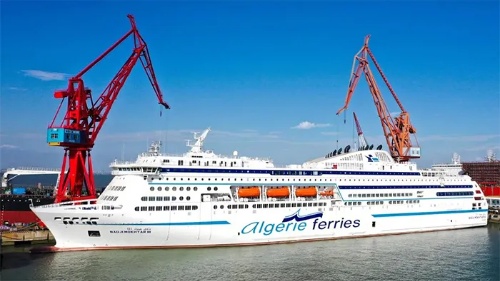
O que é um transformador offshore?
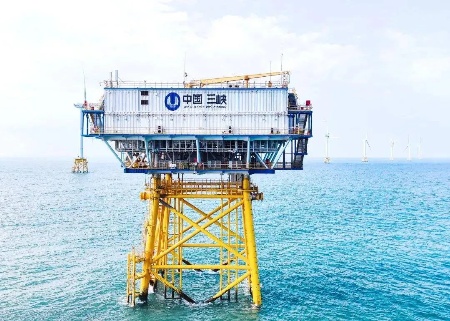
Umtransformador offshore é um transformador elétrico de alta tensão projetado especificamente para aplicações marítimas. Instalado emplataformas offshore, subestações, ou turbinas eólicas, sua principal função éintensificar a tensão gerada pelas turbinas eólicas (tipicamente 33 kV para 66 kV) para níveis de transmissão mais elevados (132 kV para 220 kV ou mais) para transferência eficiente de energia em longa distância.
Principais recursos dos transformadores offshore:
✔Resistência à corrosão – Construído commateriais de qualidade marinha para resistir à exposição à água salgada.
✔Compactar & Design Leve – Otimizado para instalação em estruturas offshore flutuantes ou fixas.
✔Alta eficiência & Confiabilidade – Minimiza a perda de energia e garante uma integração estável na rede.
✔Sistemas avançados de resfriamento – Usosresfriamento imerso em líquido ou tipo seco para evitar superaquecimento.
Aplicações de transformadores offshore
1. Parques Eólicos Offshore
- Transformadores instalados em subestações offshore coletar e aumentar a energia de múltiplas turbinas antes de transmiti-la para a costa.
- Parques eólicos flutuantes exigem compactar, resistente a vibrações transformadores.
2. Óleo & Plataformas de Gás
- Usado para poder plataformas de perfuração offshore e instalações de processamento.
- Deve cumprir à prova de explosão (Ex) padrões de segurança.
3. Transmissão de energia submarina
- Tecnologias emergentes como transformadores submarinos permitir projetos de energia em águas profundas.
Desafios no projeto de transformadores offshore
🔹Condições ambientais adversas – Água salgada, umidade, e demanda climática extremavedação robusta & revestimentos anticorrosivos.
🔹Acesso de manutenção limitado – Locais remotos exigemlonga vida útil (25+ anos) e tecnologia de manutenção preditiva.
🔹Restrições de Espaço – Demanda de plataformas offshoremenor, transformadores modulares.
🔹Estabilidade da rede – Deve lidarprodução de energia eólica variável sem flutuações.
Inovações em tecnologia de transformadores offshore
1. Transformadores do tipo seco
- Sem óleo = menor risco de incêndio & operação ecológica
- Ideal para parques eólicos flutuantes onde vazamentos de óleo podem ser catastróficos.
2. Monitoramento Inteligente & Sensores IoT
- Diagnóstico em tempo real para temperatura, carregar, e saúde do isolamento.
- Orientado por IA manutenção preditiva reduz o tempo de inatividade.
3. Corrente contínua de alta tensão (HVDC) Transformadores
- Essencial para cabos submarinos de longa distância (por exemplo, A rede eólica offshore da Europa).
- Reduz as perdas de transmissão em comparação com sistemas AC.
4. Híbrido & Subestações Flutuantes
- Integrando armazenamento de bateria & transformadores para fonte de alimentação estável.
Tendências de mercado & Projeções de crescimento
📈 Omercado global de transformadores offshore está projetado para crescer em8.2% CAGR (2024-2035), conduzido por:
✅Expansão da capacidade eólica offshore – Europa (Reino Unido, Alemanha) e Ásia (China, Taiwan) instalações de chumbo.
✅Investimentos Governamentais - NÓS. Lei de Redução da Inflação (IRA) e o Acordo Verde da UE impulsionam a energia offshore.
✅Parques Eólicos Flutuantes – Demanda de projetos em águas profundassoluções de transformadores de última geração.
Conclusão
Transformadores offshore são vitais para desbloquear todo o potencial da energia marinha. Com avanços emTecnologia HVDC, monitoramento inteligente, e materiais resistentes à corrosão, esses transformadores estão se tornando mais eficientes e confiáveis. À medida que os projetos de energia eólica offshore e submarina se expandem, investindo emtransformadores offshore de alto desempenho será crucial para as empresas de energia e os operadores de redes.
Para empresas do setor de energia renovável, ficar à frente significa adotar soluções inovadoras em transformadores offshore que maximizam a eficiência e a durabilidade.
POSTS RELACIONADOS
Tipos de transformadores: Um guia abrangente para 2024
O inversor solar pode funcionar sem bateria?
Como escolher o transformador tipo seco certo para o seu projeto: Um guia completo de engenharia
O custo real da energia solar: Compreendendo o preço dos painéis fotovoltaicos em 2024
O papel dos relés nos sistemas de potência: pontos de seleção e análise de tendências do setor
