전자 부품 공급업체 | 트랜스포머, 인덕터, 인버터


소개
As the world accelerates its transition to renewable energy, 해상 풍력 발전소 are becoming a cornerstone of clean power generation. 이러한 해양 에너지 시스템의 중심에는 중요한 구성 요소가 있습니다.: 그만큼offshore transformer. Designed to operate in harsh marine environments, these specialized transformers ensure efficient power transmission from offshore wind turbines to onshore grids. This article explores the role, challenges, and innovations inoffshore transformer 기술, along with market trends shaping the industry.
What is an Offshore Transformer?
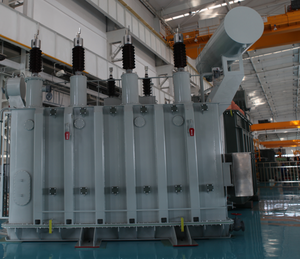
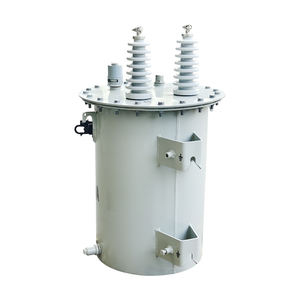
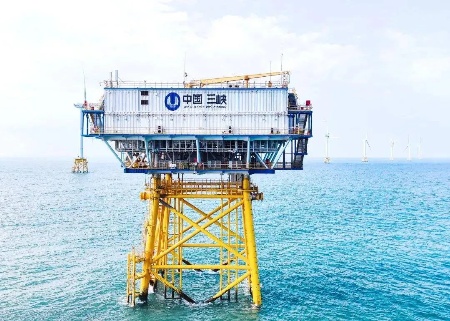
안offshore transformer is a high-voltage electrical transformer specifically engineered for marine applications. Installed on해양 플랫폼, 변전소, or wind turbines, its primary function is to한발 더 나아가다 the voltage generated by wind turbines (일반적으로 33 kV 에 66 kV) to higher transmission levels (132 kV 에 220 kV or more) for efficient long-distance power transfer.
Key Features of Offshore Transformers:
✔부식 저항 – Built withmarine-grade materials to withstand saltwater exposure.
✔콤팩트 & Lightweight Design – Optimized for installation on floating or fixed offshore structures.
✔고효율 & 신뢰할 수 있음 – Minimizes energy loss and ensures stable grid integration.
✔Advanced Cooling Systems – Usesliquid-immersed or dry-type cooling 과열을 방지하기 위해.
Applications of Offshore Transformers
1. Offshore Wind Farms
- Transformers installed in offshore substations collect and boost power from multiple turbines before transmitting it to shore.
- Floating wind farms require compact, vibration-resistant 변압기.
2. 기름 & Gas Platforms
- Used to power offshore drilling rigs and processing facilities.
- Must comply with explosion-proof (Ex) safety standards.
3. Subsea Power Transmission
- Emerging technologies like subsea transformers enable deep-water energy projects.
Challenges in Offshore Transformer Design
🔹Harsh Environmental Conditions – Saltwater, 습기, and extreme weather demandrobust sealing & anti-corrosion coatings.
🔹Limited Maintenance Access – Remote locations require긴 서비스 수명 (25+ 연령) and predictive maintenance tech.
🔹Space Constraints – Offshore platforms demandsmaller, modular transformers.
🔹그리드 안정성 – Must handlevariable wind power output without fluctuations.
Innovations in Offshore Transformer Technology
1. 건식 변압기
- No oil = lower fire risk & eco-friendly operation
- Ideal for floating wind farms where oil leaks could be catastrophic.
2. 스마트 모니터링 & IoT 센서
- Real-time diagnostics for temperature, 짐, and insulation health.
- AI 기반 예측 유지 관리 reduces downtime.
3. High-Voltage Direct Current (HVDC) 트랜스포머
- Essential for long-distance undersea cables (예를 들어, Europe’s offshore wind grid).
- Reduces transmission losses compared to AC systems.
4. Hybrid & Floating Substations
- Integrating 배터리 보관 & 변압기 for stable power supply.
시장 동향 & Growth Projections
📈 Theglobal offshore transformer market is projected to grow at8.2% CAGR (2024-2035), driven by:
✅Expanding Offshore Wind Capacity – Europe (UK, Germany) and Asia (중국, Taiwan) lead installations.
✅Government Investments – U.S. Inflation Reduction Act (IRA) and EU Green Deal boost offshore energy.
✅Floating Wind Farms – Deep-water projects demandnext-gen transformer solutions.
결론
Offshore transformers are vital for unlocking the full potential of marine energy. 발전과 함께HVDC technology, smart monitoring, and corrosion-resistant materials, these transformers are becoming more efficient and reliable. As offshore wind and subsea power projects expand, 투자하다high-performance offshore transformers will be crucial for energy companies and grid operators.
For businesses in the renewable energy sector, staying ahead means adopting innovative offshore transformer solutions that maximize efficiency and durability.