


مورد المكونات الإلكترونية | محولات, المحاثات, العاكسون


تدخل صناعة الطاقة العالمية فترة من التحول العميق. تكامل الطاقة المتجددة, إدارة الطاقة المعتمدة على الذكاء الاصطناعي, توسيع شحن EV, and industrial electrification are forcing utilities and manufacturers to rethink the traditional electrical grid. In this transition, one product is quietly evolving from a passive electrical device into an intelligent energy node: ال محول ذكي.
لعقود من الزمن, transformers were designed mainly for voltage conversion and power transmission. مصداقية, insulation performance, and thermal stability were the primary concerns. But modern power systems now demand much more. Utilities require real-time monitoring, الصيانة التنبؤية, remote diagnostics, load optimization, and integration with digital energy platforms.
نتيجة ل, smart transformers are becoming one of the most strategic assets in modern electrical infrastructure.
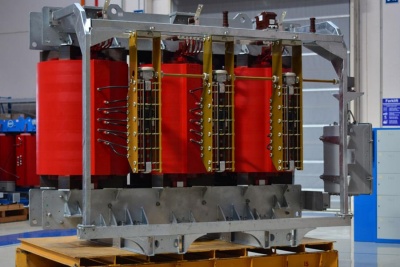
Discover how smart transformers are transforming modern power grids with AI monitoring, IoT connectivity, الصيانة التنبؤية, and renewable energy integration.
What Is a Smart Transformer?
A smart transformer combines conventional transformer technology with digital monitoring, communication systems, أجهزة الاستشعار, and intelligent control functions.
على عكس المحولات التقليدية, smart transformers can:
- Monitor operating conditions in real time
- Detect abnormal temperature rise
- Analyze dissolved gas conditions
- Predict insulation aging
- Optimize load balancing
- Communicate with SCADA and smart grid systems
- Enable remote diagnostics and maintenance
This evolution dramatically improves operational reliability while reducing downtime and maintenance costs.
Why the Market Demand Is Accelerating
Several global trends are driving the rapid adoption of smart transformers.
1. تكامل الطاقة المتجددة
Solar and wind generation introduce unstable and fluctuating power flows into electrical networks. Conventional transformers struggle to adapt efficiently to variable load conditions.
Smart transformers help stabilize these systems by dynamically managing voltage and load behavior.
2. Rapid EV Charging Expansion
Electric vehicle charging stations create sudden high-load demand spikes. Smart transformers provide:
- Better load forecasting
- تنظيم الجهد الديناميكي
- Improved energy distribution efficiency
This is especially important in urban fast-charging infrastructure.
3. Aging Power Grid Infrastructure
Many electrical grids in North America, أوروبا, أفريقيا, and Asia still rely on aging transformer fleets.
Utilities are now replacing legacy equipment with intelligent alternatives that support:
- الصيانة التنبؤية
- المراقبة عن بعد
- Reduced outage risk
- Lower lifecycle costs
4. Industrial Digitalization
Factories are increasingly adopting Industry 4.0 أنظمة. Smart transformers integrate seamlessly with modern industrial energy management platforms.
This allows manufacturers to monitor energy quality, optimize consumption, and improve operational efficiency.
Key Technologies Inside Smart Transformers
Modern smart transformers combine multiple advanced technologies into one integrated system.
Online Monitoring Systems
These systems continuously monitor:
| المعلمة | Purpose |
|---|---|
| Oil temperature | Prevent overheating |
| درجة حرارة اللف | Detect abnormal load conditions |
| تحليل الغاز المذاب (دي جي ايه) | Early fault diagnosis |
| Moisture content | Insulation protection |
| التفريغ الجزئي | Prevent insulation failure |
| Load current | Capacity optimization |
IoT and Cloud Connectivity
Industrial IoT technology enables transformers to send real-time operational data to cloud platforms.
This allows:
- Remote supervision
- Centralized asset management
- التنبؤ بالخطأ القائم على الذكاء الاصطناعي
- Smart maintenance scheduling
Utilities can manage thousands of transformers from a single control center.
AI-Based Predictive Maintenance
Traditional maintenance schedules are time-based.
Smart transformers shift maintenance toward condition-based management.
AI algorithms analyze operational data to predict:
- Insulation degradation
- Cooling system failures
- Abnormal vibration
- Potential short-circuit risks
This reduces unexpected outages and significantly lowers operational expenses.
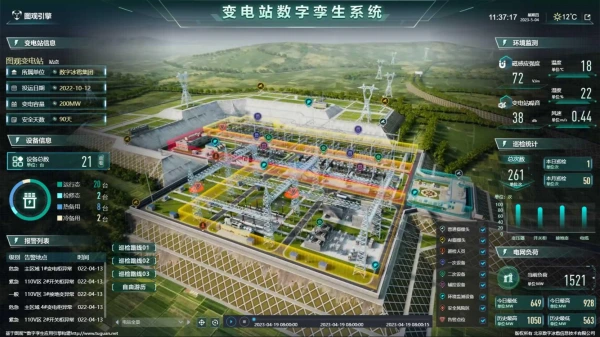
Discover how smart transformers are transforming modern power grids with AI monitoring, IoT connectivity, الصيانة التنبؤية, and renewable energy integration.
Dry-Type vs Oil-Immersed Smart Transformers
Both dry-type and oil-immersed transformers are evolving into intelligent platforms.
Smart Dry-Type Transformers
Best suited for:
- المباني التجارية
- مراكز البيانات
- المستشفيات
- Airports
- Renewable energy systems
Advantages include:
- Fire safety
- صيانة منخفضة
- Environmental friendliness
- Indoor installation capability
Smart Oil-Immersed Transformers
Widely used in:
- محطات فرعية المرافق
- صناعة ثقيلة
- Mining
- Large-scale renewable projects
Advantages include:
- Higher overload capacity
- Better cooling performance
- Superior efficiency at high capacities
Smart Transformers and the Renewable Energy Revolution
Renewable energy projects increasingly require intelligent power distribution systems.
In solar farms and wind plants, smart transformers help operators:
- Stabilize voltage fluctuations
- Improve grid synchronization
- Reduce transmission losses
- Enable remote unmanned operation
As renewable penetration increases globally, intelligent transformer technology becomes critical for grid stability.
Cybersecurity Becomes a New Priority
As transformers become connected devices, cybersecurity becomes essential.
Modern smart transformer systems now incorporate:
- Encrypted communication protocols
- Multi-layer authentication
- Secure firmware upgrades
- Intrusion detection systems
Utilities are treating transformer cybersecurity as part of national critical infrastructure protection.
Future Trends in Smart Transformer Development
The next generation of transformers will become even more intelligent.
Emerging Trends Include:
- AI self-diagnosis systems
- تقنية التوأم الرقمي
- Edge computing integration
- Carbon footprint monitoring
- Autonomous load optimization
- Blockchain-enabled energy management
Future transformers may eventually operate as fully autonomous energy management nodes within smart cities.
Global Market Outlook
According to multiple industry forecasts, the global smart transformer market is expected to grow rapidly over the next decade due to:
- Smart grid investments
- Renewable energy expansion
- Electrification policies
- EV infrastructure development
- Industrial automation demand
Regions showing particularly strong growth include:
- الشرق الأوسط
- جنوب شرق آسيا
- أفريقيا
- أمريكا الشمالية
Large-scale grid modernization projects are creating substantial opportunities for transformer manufacturers and EPC contractors.
The transformer industry is no longer just about copper, فُولاَذ, and insulation systems.
The future belongs to intelligent, connected, and data-driven electrical infrastructure.
Smart transformers are becoming the bridge between traditional power engineering and the digital energy era. Companies that embrace intelligent transformer technology today will be positioned at the center of tomorrow’s smart grid ecosystem.
للمرافق, industrial users, renewable developers, and infrastructure investors, smart transformers are no longer optional upgrades — they are strategic infrastructure assets for the future energy economy.
شركة لويانغ داتانغ لتكنولوجيا الطاقة., المحدودة. هي مؤسسة التكنولوجيا الفائقة دمج R&د, تصنيع وتوريد معدات الطاقة مثل المحولات, مكونات الطاقة الجديدة, خزائن التوزيع والعاكسات. مع الابتكار التكنولوجي باعتبارها جوهر, نحن نركز على إنشاء حلول طاقة عالية الموثوقية والأداء لخدمة العملاء العالميين. مع نظام صارم لمراقبة الجودة وشهادة المعايير الدولية, نواصل إنتاج منتجات ممتازة وتمكين العملاء من بناء أنظمة طاقة آمنة ومستقرة.
المشاركات ذات الصلة
هل يمكن أن يعمل العاكس الشمسي بدون بطارية؟
دور المرحلات في أنظمة الطاقة: نقاط الاختيار وتحليل اتجاهات الصناعة
الدليل النهائي لمحولات النوع الجاف ثلاثية الطور: تشغيل الصناعة الحديثة بأمان وكفاءة
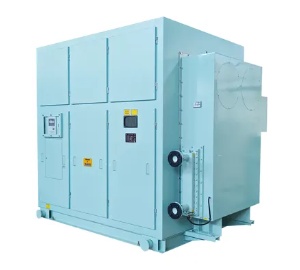
المحولات البحرية: تعزيز مستقبل أنظمة الطاقة البحرية
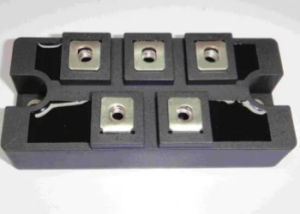
البطل الخفي لصناعة الطاقة: سر وحدة المعدل
