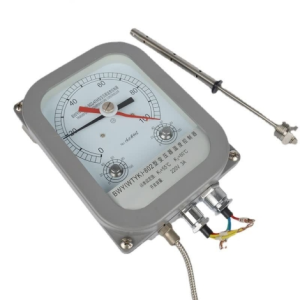
Fournisseur de composants électroniques | Transformateurs, Inducteurs, Onduleurs


L’industrie mondiale de l’énergie entre dans une période de profonde transformation. Intégration des énergies renouvelables, Gestion de l'énergie basée sur l'IA, Extension de la recharge des véhicules électriques, and industrial electrification are forcing utilities and manufacturers to rethink the traditional electrical grid. In this transition, one product is quietly evolving from a passive electrical device into an intelligent energy node: le transformateur intelligent.
Depuis des décennies, transformers were designed mainly for voltage conversion and power transmission. Fiabilité, insulation performance, and thermal stability were the primary concerns. But modern power systems now demand much more. Utilities require real-time monitoring, predictive maintenance, remote diagnostics, load optimization, and integration with digital energy platforms.
Par conséquent, smart transformers are becoming one of the most strategic assets in modern electrical infrastructure.
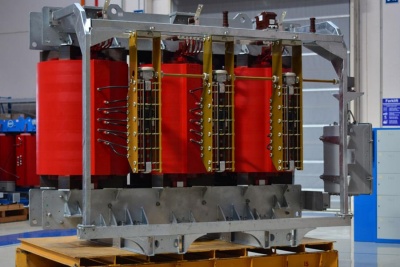
Discover how smart transformers are transforming modern power grids with AI monitoring, IoT connectivity, predictive maintenance, and renewable energy integration.
What Is a Smart Transformer?
A smart transformer combines conventional transformer technology with digital monitoring, communication systems, capteurs, and intelligent control functions.
Unlike traditional transformers, smart transformers can:
- Monitor operating conditions in real time
- Detect abnormal temperature rise
- Analyze dissolved gas conditions
- Predict insulation aging
- Optimize load balancing
- Communicate with SCADA and smart grid systems
- Enable remote diagnostics and maintenance
This evolution dramatically improves operational reliability while reducing downtime and maintenance costs.
Why the Market Demand Is Accelerating
Several global trends are driving the rapid adoption of smart transformers.
1. Intégration des énergies renouvelables
Solar and wind generation introduce unstable and fluctuating power flows into electrical networks. Conventional transformers struggle to adapt efficiently to variable load conditions.
Smart transformers help stabilize these systems by dynamically managing voltage and load behavior.
2. Rapid EV Charging Expansion
Electric vehicle charging stations create sudden high-load demand spikes. Smart transformers provide:
- Better load forecasting
- Dynamic voltage regulation
- Improved energy distribution efficiency
This is especially important in urban fast-charging infrastructure.
3. Aging Power Grid Infrastructure
Many electrical grids in North America, Europe, Afrique, and Asia still rely on aging transformer fleets.
Utilities are now replacing legacy equipment with intelligent alternatives that support:
- Maintenance prédictive
- Surveillance à distance
- Reduced outage risk
- Lower lifecycle costs
4. Industrial Digitalization
Factories are increasingly adopting Industry 4.0 systèmes. Smart transformers integrate seamlessly with modern industrial energy management platforms.
This allows manufacturers to monitor energy quality, optimize consumption, and improve operational efficiency.
Key Technologies Inside Smart Transformers
Modern smart transformers combine multiple advanced technologies into one integrated system.
Online Monitoring Systems
These systems continuously monitor:
| Paramètre | Purpose |
|---|---|
| Température de l'huile | Prevent overheating |
| Température d'enroulement | Detect abnormal load conditions |
| Analyse des gaz dissous (DGA) | Early fault diagnosis |
| Moisture content | Insulation protection |
| Décharge partielle | Prevent insulation failure |
| Load current | Capacity optimization |
IoT and Cloud Connectivity
Industrial IoT technology enables transformers to send real-time operational data to cloud platforms.
This allows:
- Remote supervision
- Centralized asset management
- AI-based fault prediction
- Smart maintenance scheduling
Utilities can manage thousands of transformers from a single control center.
AI-Based Predictive Maintenance
Traditional maintenance schedules are time-based.
Smart transformers shift maintenance toward condition-based management.
AI algorithms analyze operational data to predict:
- Dégradation de l'isolation
- Cooling system failures
- Abnormal vibration
- Potential short-circuit risks
This reduces unexpected outages and significantly lowers operational expenses.
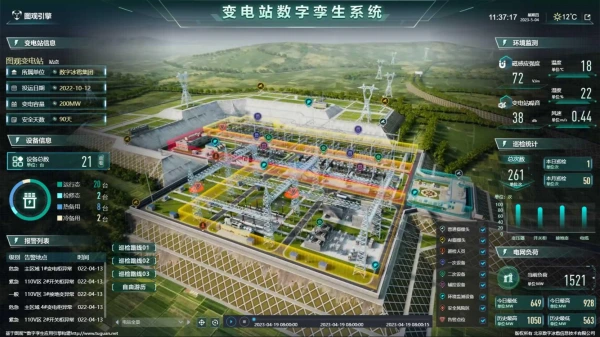
Discover how smart transformers are transforming modern power grids with AI monitoring, IoT connectivity, predictive maintenance, and renewable energy integration.
Dry-Type vs Oil-Immersed Smart Transformers
Both dry-type and oil-immersed transformers are evolving into intelligent platforms.
Smart Dry-Type Transformers
Best suited for:
- Bâtiments commerciaux
- Centres de données
- Hôpitaux
- Airports
- Systèmes d'énergie renouvelable
Les avantages incluent:
- Fire safety
- Low maintenance
- Environmental friendliness
- Indoor installation capability
Smart Oil-Immersed Transformers
Widely used in:
- Sous-stations de services publics
- Heavy industry
- Mining
- Large-scale renewable projects
Les avantages incluent:
- Higher overload capacity
- Better cooling performance
- Superior efficiency at high capacities
Smart Transformers and the Renewable Energy Revolution
Renewable energy projects increasingly require intelligent power distribution systems.
In solar farms and wind plants, smart transformers help operators:
- Stabilize voltage fluctuations
- Improve grid synchronization
- Reduce transmission losses
- Enable remote unmanned operation
As renewable penetration increases globally, intelligent transformer technology becomes critical for grid stability.
Cybersecurity Becomes a New Priority
As transformers become connected devices, cybersecurity becomes essential.
Modern smart transformer systems now incorporate:
- Encrypted communication protocols
- Multi-layer authentication
- Secure firmware upgrades
- Intrusion detection systems
Utilities are treating transformer cybersecurity as part of national critical infrastructure protection.
Future Trends in Smart Transformer Development
The next generation of transformers will become even more intelligent.
Emerging Trends Include:
- AI self-diagnosis systems
- Technologie de jumeau numérique
- Edge computing integration
- Carbon footprint monitoring
- Autonomous load optimization
- Blockchain-enabled energy management
Future transformers may eventually operate as fully autonomous energy management nodes within smart cities.
Global Market Outlook
According to multiple industry forecasts, the global smart transformer market is expected to grow rapidly over the next decade due to:
- Smart grid investments
- Renewable energy expansion
- Electrification policies
- EV infrastructure development
- Industrial automation demand
Regions showing particularly strong growth include:
- Moyen-Orient
- Asie du Sud-Est
- Afrique
- Amérique du Nord
Large-scale grid modernization projects are creating substantial opportunities for transformer manufacturers and EPC contractors.
The transformer industry is no longer just about copper, acier, and insulation systems.
The future belongs to intelligent, connected, and data-driven electrical infrastructure.
Smart transformers are becoming the bridge between traditional power engineering and the digital energy era. Companies that embrace intelligent transformer technology today will be positioned at the center of tomorrow’s smart grid ecosystem.
Pour les services publics, industrial users, renewable developers, and infrastructure investors, smart transformers are no longer optional upgrades — they are strategic infrastructure assets for the future energy economy.
Luoyang Datang Energy Technology Co., Ltée. est une entreprise de haute technologie intégrant R&D, fabrication et fourniture d'équipements électriques tels que des transformateurs, nouveaux composants énergétiques, armoires de distribution et onduleurs. Avec l’innovation technologique au cœur, nous nous concentrons sur la création de solutions d'alimentation haute fiabilité et hautes performances pour servir les clients du monde entier. Avec un système de contrôle de qualité strict et une certification standard internationale, nous continuons à produire d'excellents produits et permettons aux clients de construire des systèmes électriques sûrs et stables.
ARTICLES CONNEXES
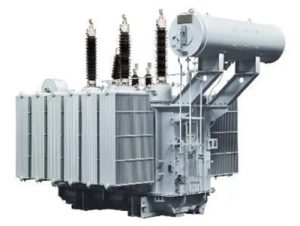
Frontières de la technologie des transformateurs supraconducteurs: Réalité et défis de la prochaine génération d’équipements électriques à haut rendement
Qu'est-ce qu'un relais? Analyse complète des principes de travail, Espèces, et scénarios d'application (2025 Dernière version)
Que peut faire fonctionner un onduleur solaire de 2000 W?

Diodes micro-ondes à récupération rapide: Définition, Caractéristiques et applications
Magnetic Oil Level Gauge vs. Float-Type: A Comparative Guide