Electronic Components Supplier | Transformers, Inductors, Inverters


As the global energy system shifts toward decarbonization, electrification, and digitalization, transformers are no longer just passive electrical devices. They are rapidly evolving into intelligent energy nodes that enable real-time control, predictive maintenance, and seamless integration of renewable energy.
For manufacturers, EPC contractors, and utility buyers, this transformation represents not just a technical upgrade—but a strategic opportunity to improve efficiency, reliability, and ROI.
1. From Passive Equipment to Intelligent Energy Nodes
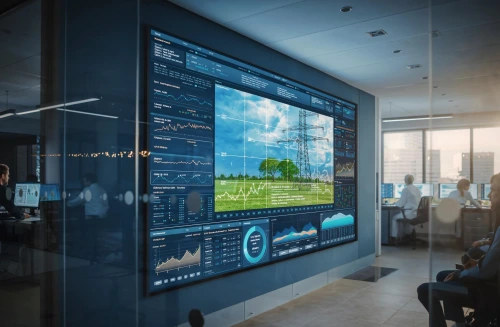
Traditional transformers perform a single function: voltage conversion. Their operation depends heavily on manual inspection and periodic maintenance.
Smart transformers, however, integrate:
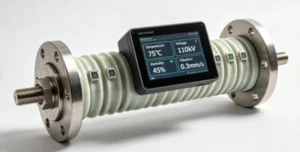
- IoT sensors (temperature, oil level, dissolved gas, partial discharge)
- Edge computing modules (real-time local analysis)
- Cloud connectivity (remote monitoring & diagnostics)
- AI algorithms (fault prediction & lifecycle optimization)
👉 The shift is fundamental:
Hardware → Data Platform → Decision-Making System
2. Core Technologies Behind Smart Transformer
2.1 Condition Monitoring Systems
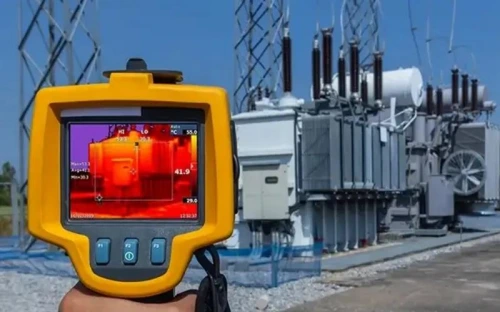
Real-time monitoring is the foundation of transformer intelligence:
| Parameter | Technology | Purpose |
|---|---|---|
| Temperature | Fiber optic / PT100 | Prevent overheating |
| Partial Discharge | Ultrasonic / HF sensors | Detect insulation defects early |
| Dissolved Gas (DGA) | Online gas analyzer | Identify internal faults |
| Load Current | Smart CTs | Optimize load distribution |
2.2 Intelligent Control & Regulation
Smart transformers can actively interact with the grid:
- Automatic Voltage Regulation (AVR)
- On-Load Tap Changer (OLTC) remote control
- Dynamic load balancing
- Reactive power coordination
In renewable energy systems (solar + storage), transformers become active stabilizers, not just passive adapters.
2.3 Digital Twin Technology
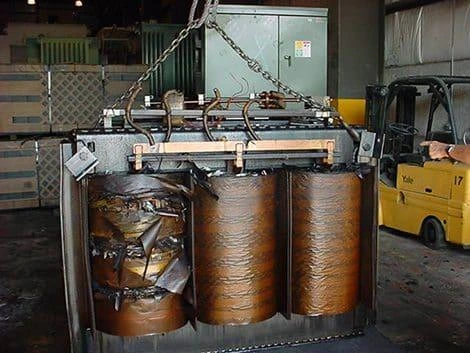
A digital twin creates a virtual replica of the physical transformer:
- Real-time operational mapping
- Fault simulation & prediction
- Lifecycle cost (LCC) analysis
- Maintenance optimization
👉 Result: Reduced downtime + extended asset life + lower O&M costs
3. Key Application Scenarios Driving Demand
3.1 Renewable Energy Power Plants (Solar / Wind)
Challenges:
- Intermittent generation
- Grid instability
Smart transformer benefits:
- Voltage stabilization
- Improved grid compliance
- Reduced curtailment losses
3.2 Urban Distribution Networks
With EV charging, data centers, and electrification:
- Load volatility increases
- Grid stress intensifies
Smart transformers enable:
- Peak load management
- Real-time load distribution
- Faster fault isolation
3.3 Industrial Parks & Microgrids
Industrial users demand:
- High reliability
- Energy cost optimization
Smart transformers deliver:
- Energy efficiency improvements
- Cost reduction
- Full energy visibility
4. Market Trends & Business Opportunities
Global Outlook
- Smart transformer market CAGR: >10%
- Strong demand in Africa, Middle East, Southeast Asia
- Increasing investment in grid digitalization
For Transformer Exporters (High-Value Strategy)
1️⃣ Product Upgrade Path
- Standard transformer → Smart-enabled transformer
- Add-on features:
- Temperature monitoring
- Oil level sensing
- Remote communication (Modbus, IEC 61850)
2️⃣ Pricing Strategy
Offer tiered solutions:
- Basic: Standard transformer
- Smart: Monitoring-enabled
- Premium: Full digital + predictive analytics
👉 Higher margins + stronger differentiation
3️⃣ Target Customers
- Utility grid upgrade projects
- EPC contractors
- Renewable energy developers
5. Future Outlook: Beyond Hardware
The next 5–10 years will redefine the transformer industry:
Software-Defined Transformers (SDT)
Functionality upgrades via software, not hardware replacement
Energy Internet Nodes
Transformers become data hubs in interconnected energy systems
AI-Driven Maintenance
- Predict failures before they happen
- Autonomous maintenance decisions
- Self-optimizing operation
Smart transformers are no longer optional—they are becoming essential infrastructure for modern power systems.
For buyers:
👉 Better reliability, lower maintenance costs, higher efficiency
For manufacturers and exporters:
👉 A clear path to higher-value products and stronger global competitiveness
Luoyang Datang Energy Technology Co., Ltd. is a high-tech enterprise integrating R&D, manufacturing and supply of power equipment such as transformers, new energy components, distribution cabinets and inverters. With technological innovation as the core, we focus on creating high-reliability and high-performance power solutions to serve global customers. With a strict quality control system and international standard certification, we continue to output excellent products and enable customers to build safe and stable power systems.
RELATED POSTS

The signal transmission function of explosion-proof bimetallic thermometers has been widely applied in the field of industrial production safety monitoring
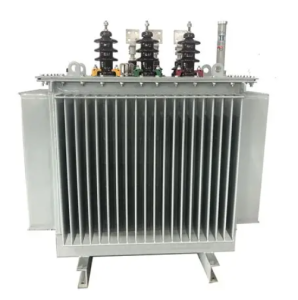
Amorphous alloy transformer

Uncovering the engine heat sink: from definition to application.
Power Transformer vs. Distribution Transformer: Key Differences and Applications