Leverandør af elektroniske komponenter | Transformere, Induktorer, Invertere


Nøgle takeaways
- False tripping is often caused by non‑fault gas accumulation, vibration, oil surge, electrical issues, or relay aging.
- Systematic troubleshooting—recording data, inspecting gas, testing mechanics and electrical circuits—can identify the root cause.
- Preventive measures include proper installation, regular calibration, oil quality monitoring, and adjusting relay sensitivity.
- If simple fixes fail, consult a specialist to avoid compromising transformer protection.
What Is Buchholz Relay False Tripping and Why Does It Happen?
Buchholz relay false tripping occurs when the relay activates without an actual internal fault in the transformer. This results in unnecessary shutdowns, production loss, and costly inspections. To solve false tripping, first identify the root cause—whether gas accumulation from normal operation, mechanical vibration, oil surge, or electrical interference—and address it through systematic troubleshooting and preventive maintenance.
The Buchholz relay is a protective device installed in oil-filled transformers to detect internal faults such as arcing, overophedning, or insulation breakdown. It operates by sensing gas accumulation or sudden oil flow. When no genuine fault exists, any non‑fault event that mimics these conditions can cause false tripping. Understanding the operating principle helps distinguish real faults from nuisance trips.
This guide explains common triggers of false tripping, practical steps to diagnose and resolve each issue, and long‑term measures to improve relay reliability. The information is drawn from general engineering knowledge and industry best practices.
How a Buchholz Relay Works: The Basics You Need to Know
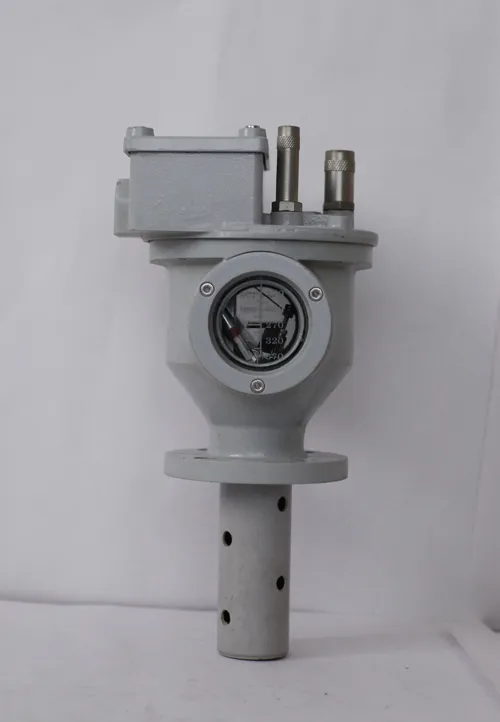
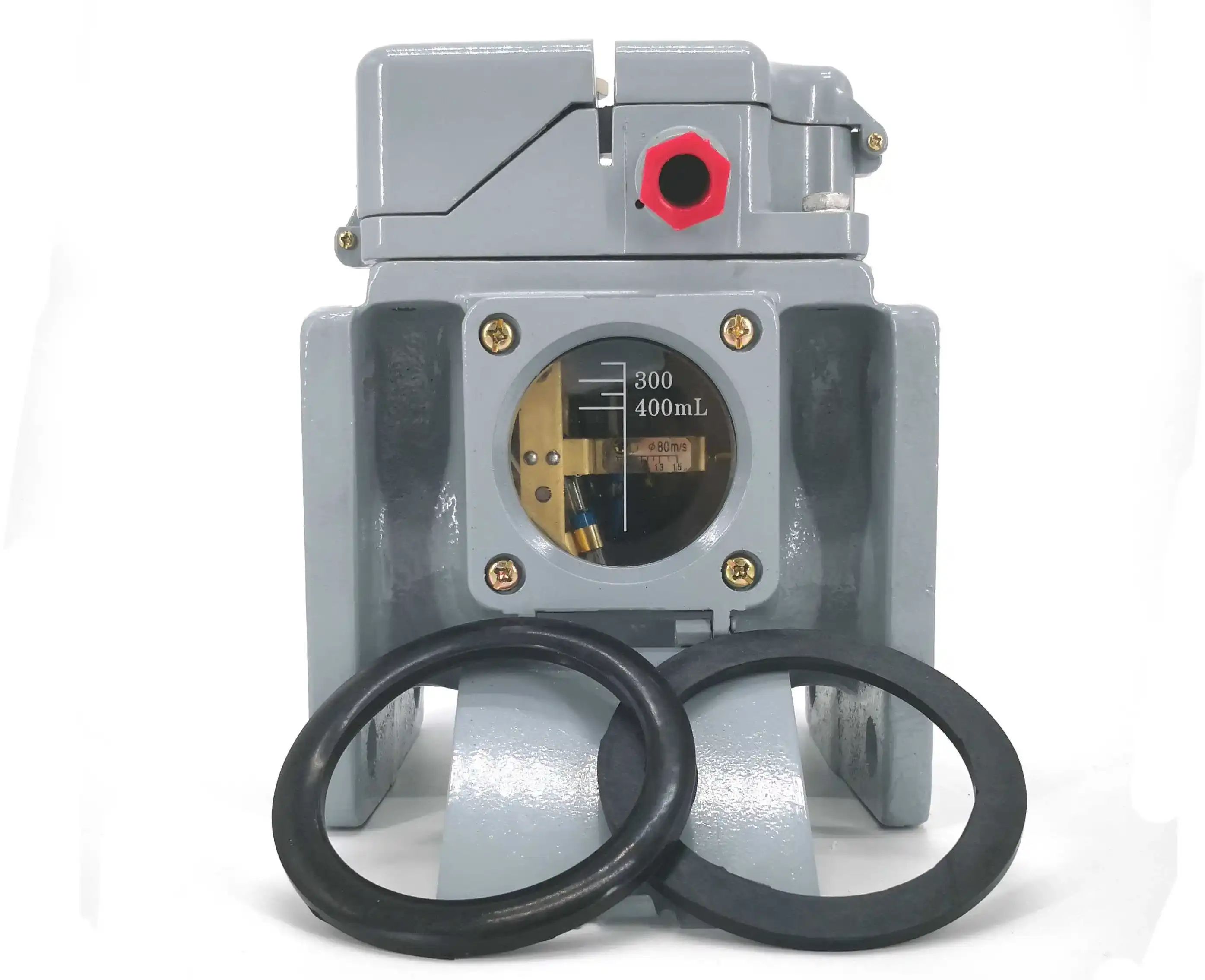
A Buchholz relay is a gas‑and‑oil surge relay located in the pipe between the transformer main tank and the conservator. It contains two float switches: the upper float responds to slow gas accumulation (alarm), and the lower float responds to sudden oil flow (trip). When gas collects, the upper float drops, triggering an alarm. If the oil surge is strong enough, the lower float tilts, causing a trip signal.
The relay is designed to distinguish fault‑generated gas (f.eks., from arcing or hot spots) from non‑fault gas, but in practice, external factors can mimic fault conditions. F.eks, air ingress during oil filling, dissolved gas released due to temperature changes, or even a sudden load change can create oil movement. Recognizing these nuances is the first step toward solving false trips.
In normal operation, very small amounts of gas may be produced by the oil itself or by internal components. The relay’s alarm threshold is set to account for this, but if the threshold is too sensitive or the relay is improperly calibrated, false alarms and trips become more frequent. Regular maintenance and calibration checks help prevent false trips.
Common Causes of Buchholz Relay False Tripping
The most frequent cause of false tripping is gas accumulation from non‑fault sources. For instance, dissolved gas coming out of solution when the oil temperature or pressure changes can form bubbles that collect under the relay’s upper float. This is especially common after transformer oil treatment or during seasonal temperature swings.
Mechanical vibration is another major cause. Transformers connected to heavy load switching or located near reciprocating machinery can transmit vibrations that momentarily move the floats, triggering a trip. Similarly, oil surge caused by sudden load changes or pump starts can create a false oil flow that activates the lower float.
Electrical interference or wiring issues also cause false signals. Loose connections, poor grounding, or electromagnetic interference from nearby equipment may generate spurious voltage spikes that the relay interprets as a trip condition. Derudover, relay component aging—such as deteriorated float mechanisms or corroded contacts—can reduce the relay’s reliability and lead to nuisance trips.
To solve false tripping effectively, observe the pattern: does the trip occur at a specific time (f.eks., after oil filling, during load ramping, or at a particular temperature)? Correlating the event with operational data provides clues about the underlying cause.
| Common Cause | Løsning |
|---|---|
| Gas accumulation from air ingress or dissolved gas release | Degas oil properly; allow stabilization after filling; install a gas collection device and vent periodically. |
| Mechanical vibration | Reinforce mounting; add vibration dampers; relocate relay if vibration is excessive. |
| Oil surge due to sudden load changes or pump starts | Adjust relay time delay; coordinate protection settings; avoid abrupt load changes. |
| Electrical interference or loose wiring | Check connections and grounding; shield signal cables; use surge suppressors. |
| Relay component aging or contamination | Clean contacts; recalibrate; replace relay if threshold drift is confirmed. |
| Improper relay sensitivity settings | Review and adjust alarm/trip thresholds per manufacturer recommendations; perform functional testing. |
Step‑by‑Step Troubleshooting for Buchholz Relay False Tripping
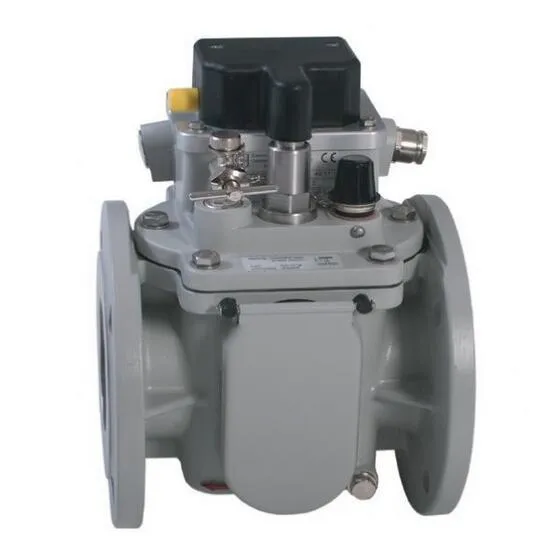
When a false trip occurs, start with a systematic diagnostic process. Trin 1: Record the alarm/trip data, including time, load level, olietemperatur, and any recent maintenance actions. This information helps narrow down the possible causes. Trin 2: Visually inspect the relay and the sight glass for gas. If gas is present, collect a sample for analysis. If the gas is non‑combustible (f.eks., luft), the source is likely external. If it is combustible (hydrogen, hydrocarbons), it indicates an internal fault.
Trin 3: Check for mechanical issues. Examine mounting brackets and pipe supports for looseness. Measure vibration levels at the relay location. If vibration exceeds manufacturer limits, consider installing vibration dampers or relocating the relay. Trin 4: Test the electrical circuit. Verify wiring continuity, check for loose terminals, and measure ground resistance. An oscilloscope can help detect noise spikes that could trigger the relay.
Trin 5: Perform a functional test of the relay itself. Using the test button or by simulating gas/oil flow with a hand pump, confirm that the alarm and trip contacts operate at the correct thresholds. If the relay trips below the set point, it may need recalibration or replacement. Trin 6: If no root cause is found, review the relay settings. Some modern relays allow adjustable sensitivity; reducing sensitivity (within safe limits) can reduce false trips without compromising protection.
Document all findings and actions taken. If the problem recurs, consult the transformer manufacturer or a protection relay specialist for deeper analysis. Persistent false trips may indicate a design issue or an underlying transformer condition that requires investigation.
Preventive Measures to Minimize False Tripping
Proper installation is the first step in prevention. Ensure the relay is mounted on a rigid structure in a location with minimal vibration. Use flexible couplings on connecting pipes if necessary. During transformer commissioning, properly degas the oil and fill it slowly to avoid trapping air. After oil treatment, allow sufficient time for dissolved gases to stabilize before energizing. Derudover, select appropriate magnetic vs float indicators for oil level monitoring to ensure accurate readings.
Regular maintenance should include visual inspection of the relay, checking for oil leaks, verifying float freedom, and monitoring silica gel saturation in the breather to avoid transformer failure. Calibration of the alarm and trip settings should be done at least once per year, or after any major transformer operation. Oil quality monitoring—specifically dissolved gas analysis (DGA)—can identify abnormal gas generation trends before they cause trips.
Consider installing a bypass or alarm‑only mode during known transient events, such as high‑load switching or pump starts, if the protection scheme permits. Imidlertid, never disable protection entirely. A well‑designed maintenance program and proper relay selection (with appropriate time delays or damping features) can reduce false tripping while maintaining reliable fault detection.
When to Seek Professional Help
If troubleshooting steps fail to resolve the issue, or if false tripping occurs frequently despite preventive measures, consider involving a transformer protection specialist. Complex cases may involve advanced diagnostics such as dynamic gas analysis, vibration spectrum analysis, or relay transient testing. In some situations, the relay may need to be replaced with a more robust model that offers better immunity to external disturbances.
Always prioritize safety: never attempt to bypass or defeat protective relays without a thorough risk assessment. False tripping, while inconvenient, is preferable to missing a genuine fault that could lead to catastrophic transformer failure. Professional consultation helps maintain a reliable and effective protection system.
Konklusion: A Systematic Approach Prevents Repeated False Trips
Solving Buchholz relay false tripping requires understanding its root causes—gas from non‑fault sources, vibration, oil surge, electrical issues, and relay aging—and following a structured diagnostic workflow. Regular inspection, proper calibration, og forebyggende vedligeholdelse, including proper selection of components such as OIP vs RIP transformer bushings, significantly reduce the chance of nuisance trips. Når du er i tvivl, consult a professional to safeguard transformer health without compromising protection.
Adopting the practices outlined in this guide improves system reliability, reduces downtime, and extends transformer lifespan. Remember that each false trip is an opportunity to learn more about the condition of both the relay and the transformer itself.
Ofte stillede spørgsmål
Can a Buchholz relay false trip due to low oil temperature?
Ja. Low oil temperature can cause dissolved gases to come out of solution, forming bubbles that accumulate under the upper float and trigger an alarm or trip. This is more common after oil treatment or during cold weather if the oil was not fully degassed.
How can I tell if a Buchholz relay trip is false or indicates a real fault?
Collect a gas sample from the relay and analyze its composition. Combustible gases (hydrogen, acetylene, ethylene) indicate an internal arc or overheating, confirming a real fault. Non‑combustible gases (luft, nitrogen) suggest external ingress or dissolved gas release, indicating a false trip.
Should I adjust the Buchholz relay sensitivity to reduce false trips?
Only after thorough investigation. Adjusting sensitivity may reduce false trips but could also delay detection of genuine faults. Always follow manufacturer guidelines and consult a protection engineer before changing settings.
How often should a Buchholz relay be calibrated?
Industry best practice recommends calibration at least once per year, or after any major transformer maintenance, olieskift, or relay replacement. More frequent checks are advisable in harsh environments or when false trips have occurred.
Luoyang Datang Energy Technology Co., Ltd. er en højteknologisk virksomhed, der integrerer R&D, fremstilling og levering af strømudstyr såsom transformere, nye energikomponenter, distributionsskabe og invertere. Med teknologisk innovation som kernen, vi fokuserer på at skabe høj pålidelighed og højtydende strømløsninger til at betjene globale kunder. Med et strengt kvalitetskontrolsystem og international standard certificering, vi fortsætter med at producere fremragende produkter og gør det muligt for kunderne at bygge sikre og stabile strømsystemer.
RELATEREDE OPSLAG
Strømtransformer kabel-assisteret energimåling: opnå nøjagtig fakturering og hjælpe kommercielle og industrielle brugere
2026 Fotovoltaiske transformatortendenser: Kernehubben for Smart Grid og AI-drevne energisystemer

Hvad er en 3-faset transformer?
Hermetisk forseglede oliefyldte transformere: Den vedligeholdelsesfrie strømløsning til moderne net