Leverandør af elektroniske komponenter | Transformere, Induktorer, Invertere


Nøgle takeaways
- Transformer bushing failure typically originates from electrical overstress, mechanical damage, environmental contamination, or manufacturing defects.
- Multiple factors often interact, such as a mechanical crack enabling moisture ingress that triggers flashover under voltage.
- Regular monitoring (delvis udledning, tan delta, analyse af opløst gas) og forebyggende vedligeholdelse (rensning, sealing inspection) can significantly reduce failure risk.
- Specifying proper bushings for the application and ensuring correct installation are critical first lines of defense.
Understanding the Main Causes of Transformer Bushing Failure
Transformer bushings provide the electrical insulation and mechanical support path between the transformer windings and the external power network. A bushing failure can lead to severe consequences, including transformer outages, equipment damage, and safety hazards. The primary causes are broadly grouped into electrical stress, mechanical damage, environmental contamination, and manufacturing or material defects. Recognizing these root causes is the first step toward implementing effective monitoring and maintenance strategies.
Electrical overstress, such as overvoltage conditions, lightning surges, or switching transients, can exceed the insulation withstand capability of the bushing, leading to partial discharge, sporing, and eventual breakdown. Mechanical damage often arises from improper installation, vibration, seismic events, or shifting of transformer components, causing cracks, olielækager, or displacement of internal insulating parts. Environmental factors like moisture ingress, forurening (salt, støv, kemikalier), and temperature extremes accelerate insulation aging and reduce dielectric strength. Defects introduced during manufacturing—such as voids in impregnated paper, poor oil impregnation, or substandard materials—create weak points that may not be detected until failures occur.
Each failure mode typically involves multiple interacting factors. F.eks, a small crack from mechanical stress allows moisture entry, which combined with an electrical surge causes flashover. Effective prevention therefore requires a holistic understanding of both design and operational conditions. The table below summarizes the main categories and their typical consequences.
| Failure Cause Category | Beskrivelse |
|---|---|
| Electrical Stress | Overspænding (stigninger, lightning), delvis udledning, sporing, and dielectric breakdown due to transient or sustained electrical conditions. |
| Mechanical Damage | Cracks from improper installation, vibration, seismic events, misalignment, thermal cycling, and manufacturing interface weaknesses. |
| Environmental Contamination | Indtrængning af fugt, surface pollution (salt, støv), UV-stråling, temperature extremes, and chemical attack accelerating insulation aging. |
| Manufacturing Defects | Voids in insulation, insufficient impregnation, poor bonding, material inconsistencies, and undetected flaws from factory process or handling. |
Electrical Stress and Dielectric Breakdown
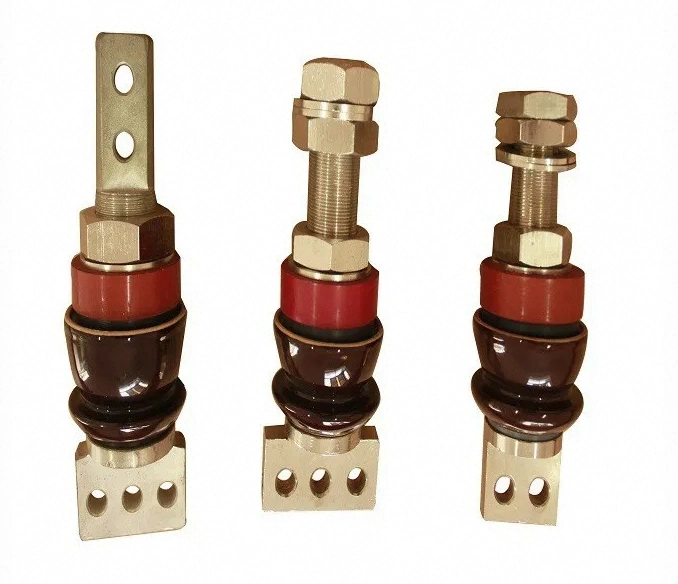
Electrical stress is the most frequently cited cause of transformer bushing failure. Under normal operating conditions, the insulation system (typically oil-impregnated paper or resin-bonded paper) is designed to withstand rated voltage plus a safety margin. Imidlertid, when transient overvoltages occur—such as lightning strikes, switching surges, or ferroresonance—the electric field intensity may locally exceed the dielectric strength of the insulation. This leads to partial discharges that gradually erode the material, forming conductive carbonized paths (sporing). If undetected, the tracking progresses across the surface or through internal layers, culminating in a flashover or puncture. Understanding the differences between OIP and RIP bushings helps engineers select the appropriate type for their application.
In addition to transients, continuous overvoltage from system imbalance or sustained harmonics can cause thermal runaway. Dielectric losses generate heat; if cooling is inadequate, the temperature rises, accelerating thermal aging and reducing the insulation's mechanical and electrical properties. Contamination on the bushing surface, such as salt or industrial pollution, enhances surface conductivity and promotes leakage currents, which can dry the surface and create dry-band arcing. Over tid, this leads to surface erosion and final failure.
Moisture intrusion, often caused by silica gel saturation in the conservator, plays a key role in electrical stress failures. Even small amounts of water molecules significantly increase the dielectric constant of the insulation and promote electrochemical reactions. The combination of moisture, varme, and voltage creates a highly aggressive environment for insulation degradation. Monitoring moisture content in the bushing oil and performing dissolved gas analysis are common preventive practices.
Mechanical Damage and Installation Issues
Mechanical integrity is essential for bushing reliability. The bushing must support the conductor and withstand forces from the transformer (f.eks., winding movement due to short-circuit faults, vibration, or expansion/contraction). Common mechanical failure drivers include improper installation torque, which can crack the porcelain or composite housing, and misalignment causing undue stress on the flange or gasket. Repeated thermal cycling loosens fittings and deteriorates sealing materials, leading to oil leaks and moisture ingress.
Seismic events or external impacts may cause sudden displacement of bushing components, resulting in damage to internal insulating layers or fracture of the外部绝缘子。 Minor vibration from adjacent equipment or unbalanced magnetic forces can create micro-cracks that propagate under electrical stress. Another mechanical aspect is the differential expansion between metallic parts and insulating materials, especially in varying ambient temperatures, which can cause stress concentration.
Manufacturing defects also fall under this category when they result in weak mechanical interfaces. For instance, poor bonding between layers of paper or inadequate curing of resin can reduce mechanical strength. Regular visual inspections, ultrasonic testing, vibration monitoring, og Buchholz relay analysis help identify mechanical anomalies before they cause failure.
Environmental Contamination and Aging
Environmental conditions heavily influence bushing performance. Outdoor bushings are exposed to moisture, forurening (seaside salt, industrial dust, agricultural chemicals), UV-stråling, og ekstreme temperaturer. Pollution layers on the surface become conductive when wet, allowing leakage currents that cause surface erosion and flashovers. Historically, pollution flashover has been a leading cause of bushing failure in coastal and industrial areas. RTV (room-temperature-vulcanized) silicone coatings or periodic cleaning can mitigate this risk.
Temperature fluctuations cause thermal expansion and contraction, which can degrade seals and allow moisture to enter the bushing interior. Once inside, moisture accelerates oil degradation, reduces dielectric strength, and promotes acid formation. The aging of insulating oil itself—through oxidation and the formation of sludge—also contributes to failure by impairing heat transfer and increasing dielectric losses.
Long-term aging of solid insulation (paper, resin) due to normal thermal and electrical stress is inevitable, but the rate depends on operating temperature, harmonic content, and moisture levels. End-of-life indicators include increasing tan delta, capacitance changes, and high dissolved gas levels. Environmental control, such as maintaining proper oil level and using breathers with desiccants, helps extend bushing life.
Manufacturing and Material Defects
Despite rigorous quality control, manufacturing imperfections can create latent failure sites. In oil-impregnated paper bushings, voids in the paper layers or insufficient impregnation leave air gaps that can ionize under voltage, leading to partial discharge. Similarly, improper drying or degassing of paper before impregnation leaves moisture trapped inside, accelerating degradation. In resin-bonded paper (RBP) or molded bushings, voids or delamination may occur due to curing issues.
Material inconsistencies, such as variations in paper density or conductivity of grading layers, cause uneven electric field distribution. This can concentrate stress at particular points, exceeding local breakdown limits. Poor surface finish on external insulation (porcelain or composite) may encourage pollution accumulation or reduce creepage distance. Even minor defects in the flange connection or oil seal can become entry points for moisture.
Factory testing like partial discharge measurement, power factor/tan delta, and high-voltage withstand tests are designed to catch these defects, but some subtle flaws slip through. Moreover, damage during transportation or handling can create new defects that imitate manufacturing issues. Understanding these potential pitfalls assists engineers in specifying appropriate test requirements and acceptance criteria.
Ofte stillede spørgsmål
What is the most common cause of transformer bushing failure?
Although the most common cause varies by operating environment, electrical stress—particularly from overvoltage transients and partial discharge—is widely reported as a primary contributor. Imidlertid, moisture ingress combined with pollution often becomes the leading factor in outdoor installations.
How can transformer bushing failures be prevented?
Prevention involves a combination of proper design selection, careful installation, rutinemæssig vedligeholdelse (visual inspection, rensning, oil testing), and condition monitoring (partial discharge measurement, capacitance/power factor trending). Online monitoring systems can provide early warning of degradation.
Can manufacturing defects be detected before bushing failure?
Ja, most manufacturing defects are detected during factory acceptance tests such as partial discharge measurement, high-voltage withstand tests, and tan delta measurement. Imidlertid, some subtle defects may only be revealed after years of service, underscoring the importance of ongoing condition monitoring.
Luoyang Datang Energy Technology Co., Ltd. er en højteknologisk virksomhed, der integrerer R&D, fremstilling og levering af strømudstyr såsom transformere, nye energikomponenter, distributionsskabe og invertere. Med teknologisk innovation som kernen, vi fokuserer på at skabe høj pålidelighed og højtydende strømløsninger til at betjene globale kunder. Med et strengt kvalitetskontrolsystem og international standard certificering, vi fortsætter med at producere fremragende produkter og gør det muligt for kunderne at bygge sikre og stabile strømsystemer.
RELATEREDE OPSLAG
Tør-type transformatorer type: vælg luftkølet eller harpiksstøbt til moderne applikationer
Fra 'Power Transfer Station’ til 'Smart Energy Node': Lær den smarte stangtransformer omkring dig at kende
Inverter solcelleanlæg: en ny æra med miljøvenlig energi

3 Fase tyristor controller til varmelegeme: Pioneren inden for elektrisk kraft til præcis varmestyring
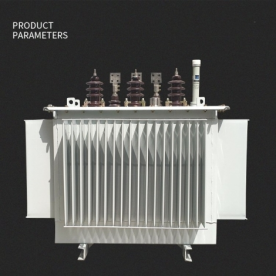
100kVA 11kV/33kV transformatorer fremstillet i Kina hjælper med opgradering af elnet og industriel udvikling