Leverandør af elektroniske komponenter | Transformere, Induktorer, Invertere


Nøgle takeaways
- Buchholz relays are manufactured with precision components to ensure reliable transformer protection.
- Samlingsprocessen involverer omhyggelig justering, forsegling, og kalibrering for at detektere gasopbygning.
- Testing is critical to verify float operation, switch function, and leak integrity.
- Factories follow strict quality control and international standards to maintain consistency.
- Understanding the manufacturing process helps in selecting and maintaining Buchholz relays.
Hvordan Transformer Buchholz-relæer fremstilles
Buchholz relays are manufactured by combining mechanical and electrical components inside a sealed housing. The relay detects gas accumulation in oil-immersed transformers, which include a transformer conservator tank, signaling internal faults. Manufacturing focuses on reliability, sensitivity, and long-term stability for correct operation under transformer conditions.
The process starts with material selection and component procurement. Each part, from the float to the mercury switch, must meet strict specifications. After inspection, components move to the assembly line, where skilled technicians and automated equipment work together to build the relay.
This article covers the key stages: component preparation, forsamling, forsegling, og testning. Understanding these steps helps users recognize the quality and engineering behind a Buchholz relay and assists in selecting the right Buchholz relay for their oil-immersed transformer.
Key Components and Materials Used in Buchholz Relays
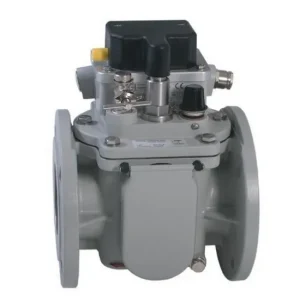
A Buchholz relay contains several critical components: a float mechanism, a mercury switch, a gas collection chamber, an oil seal, and a housing. The float is typically made from corrosion-resistant materials such as stainless steel or brass to withstand prolonged contact with transformer oil. The mercury switch is chosen for its reliable electrical contact and sensitivity to tilt.
The housing is usually cast from aluminum or steel and must be hermetically sealed to prevent oil leaks. Gaskets and O-rings are made from oil-resistant elastomers. All materials are selected for durability and compatibility with transformer oil and operating temperatures.
Before assembly, each component is inspected for dimensional accuracy, surface finish, and cleanliness. This initial quality check reduces the risk of defects during later stages.
The Assembly Process: Step by Step
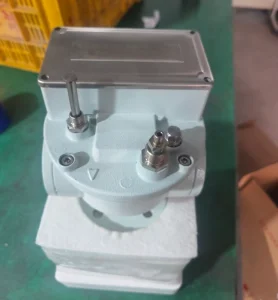
Assembly begins by mounting the float mechanism inside the relay housing. The float is attached to a pivot arm that connects to the mercury switch. Proper alignment is critical to ensure the switch tilts at the correct angle when gas accumulates.
Næste, the gas collection chamber is assembled and fitted. This chamber allows gas to rise and displace oil, causing the float to drop. Wires are routed through sealed openings and connected to the terminal block. All electrical connections are soldered or crimped to ensure low resistance.
After internal components are secured, the housing is sealed using gaskets and bolts. A final visual inspection checks for loose parts or contamination. The sealed relay then proceeds to the testing station.
Testing and Quality Control
Every Buchholz relay undergoes a series of tests to verify its functionality. The gas collection test simulates gas accumulation by injecting air into the chamber, checking that the float operates and the mercury switch changes state at the expected gas volume, replicating Buchholz relay trip causes.
The float operation test confirms that the float moves freely and triggers the switch within the specified tilt angle. An electrical continuity test verifies that the switch contacts open and close properly. Leak testing ensures the housing remains oil-tight under pressure.
Test results are recorded and compared against acceptance criteria. Relays that meet all requirements are labeled and packaged. Quality control procedures follow international standards to maintain consistency across production batches.

Factory Environment and Standards Compliance
The manufacturing facility controls dust, fugtighed, og temperatur, as these factors can affect relay performance. Clean workstations and ESD protection are used during assembly of sensitive electronic components.
Production follows documented processes aligned with industry standards such as IEC 60214 and IEEE C57.2. Each batch is traceable through serial numbers, enabling root cause analysis if issues arise. Regular audits ensure continuous improvement.
By combining skilled craftsmanship with modern manufacturing techniques, the factory produces Buchholz relays that provide reliable protection for oil-immersed transformers worldwide.
Ofte stillede spørgsmål
What is the primary function of a Buchholz relay?
A Buchholz relay detects gas accumulation in oil-immersed transformers, indicating internal faults such as overheating or arcing. It can trigger an alarm or disconnect the transformer from the circuit to prevent damage.
Why is testing important in Buchholz relay manufacturing?
Testing ensures that the float mechanism, mercury switch, and gas collection chamber operate correctly under various conditions. It guarantees the relay’s sensitivity and reliability in protecting the transformer.
Luoyang Datang Energy Technology Co., Ltd. er en højteknologisk virksomhed, der integrerer R&D, fremstilling og levering af strømudstyr såsom transformere, nye energikomponenter, distributionsskabe og invertere. Med teknologisk innovation som kernen, vi fokuserer på at skabe høj pålidelighed og højtydende strømløsninger til at betjene globale kunder. Med et strengt kvalitetskontrolsystem og international standard certificering, vi fortsætter med at producere fremragende produkter og gør det muligt for kunderne at bygge sikre og stabile strømsystemer.
RELATEREDE OPSLAG
Gitteret i overgang: Mestring af integrationen af variable vedvarende energikilder

Hvilke faktorer påvirker prisen på Off-Grid Solar Inverter

Omfattende test for at sikre tyristormodulets ydeevne og pålidelighed
Typer af transformere: En omfattende guide til 2024
Vindkraftens hjerte: Et dybt dyk ned i vindmølletransformere