


Leverandør af elektroniske komponenter | Transformere, Induktorer, Invertere


Overview of Energy Storage
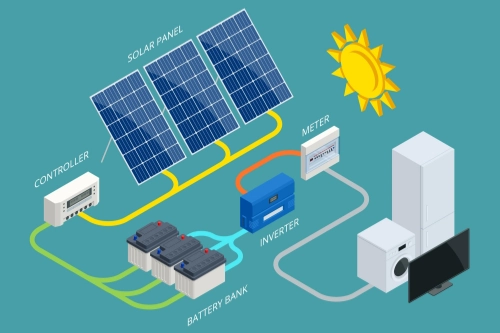
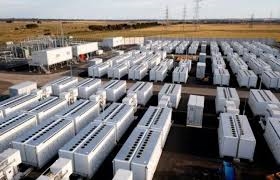
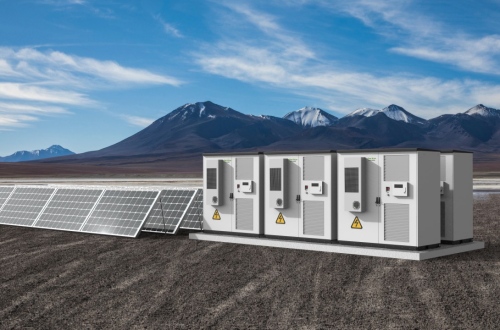
Energilagringssystemer (ESS) are a key technology in modern vedvarende energi and smart grid solutions. They store excess electricity generated from solar, vind, or other energy sources, and release it when needed, providing stabilitet, effektivitet, and flexibility to the power grid.
With the rise of renewable energy, energy storage ensures reliable power supply, peak shaving, og load management for residential, kommercielle, and utility-scale applications.
How Energy Storage Works
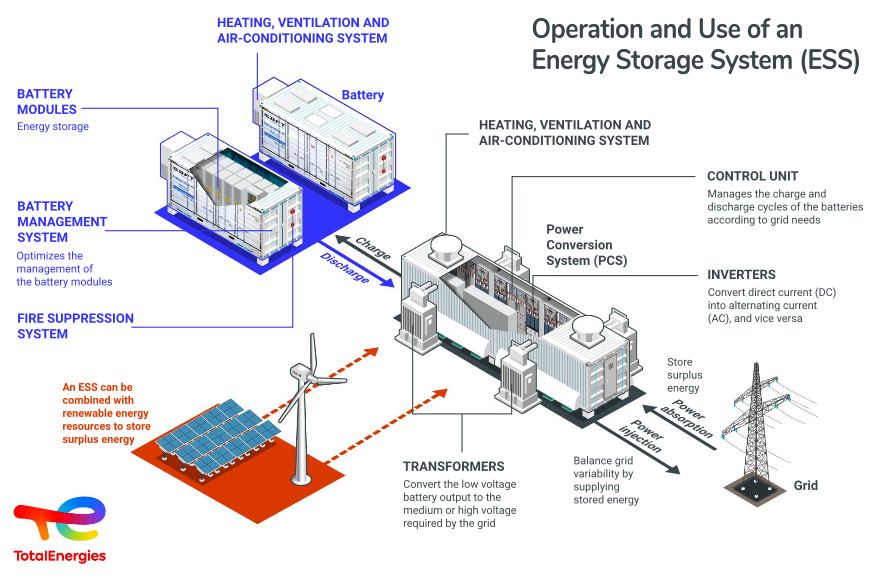
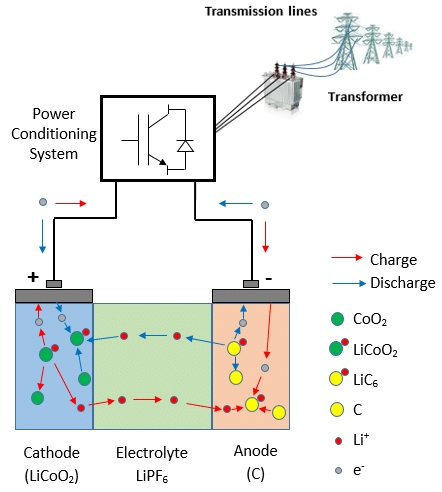
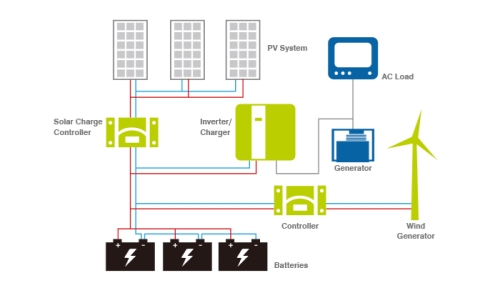
A typical energy storage system includes:
| Komponent | Fungere |
|---|---|
| Battery Modules | Store electrical energy efficiently |
| Battery Management System (BMS) | Monitors and protects battery performance |
| Inverter | Converts stored DC electricity to AC for use |
| Energiledelsessystem | Optimizes charging and discharging cycles |
| Grid / Load Connection | Supplies electricity when needed |
Energy storage enables renewable energy to balance supply and demand, providing electricity even when solar panels or wind turbines are not generating power.
Types of Energy Storage Systems
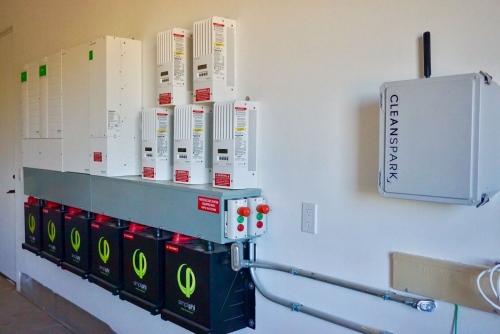
- Residential Storage – Provides backup power for homes and supports rooftop solar systems.
- Kommerciel & Industrial Storage – Reduces electricity costs and improves energy efficiency.
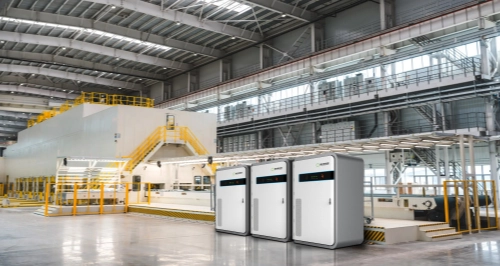
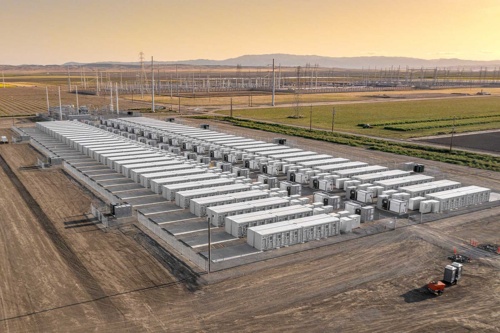
- Utility-Scale Storage – Stabilizes the power grid and integrates large renewable projects.
- Off-grid & Hybride systemer – Ensures reliable electricity in remote areas without grid access.
Advantages of Energy Storage
Sustainable Energy Integration – Supports solar, vind, and other renewable sources
Pålidelig strømforsyning – Provides electricity during outages or peak demand
Gitterstabilitet – Balances intermittent renewable energy generation
Energy Cost Savings – Enables load shifting and peak shaving
Scalable Solutions – Suitable for homes, virksomheder, and utility-scale projects
Virksomhedsprofil
Luoyang Datang Energy Technology Co., Ltd. er en højteknologisk virksomhed, der integrerer R&D, fremstilling, og levering af strømudstyr og vedvarende energiløsninger. Specialiseret i transformatorer, nye energikomponenter, fordelingsskabe, og invertere, vi har udvidet vores portefølje til at omfatte solcelleanlæg, energilagring løsninger, og luftvarmepumper. Med teknologisk innovation som vores kerne, vi fokuserer på at skabe høj-pålidelighed og højtydende kraft- og energieffektivitetsløsninger til at betjene globale kunder. Gennem et strengt kvalitetskontrolsystem og international standard certificering, vi leverer konstant fremragende produkter, der giver vores kunder mulighed for at bygge sikkert, stabil, og bæredygtige elsystemer.
Det accepterer betaling med kreditkort, T/T, Vestunionen, og Paypal. PDDN vil sende varerne til kunder i udlandet gennem FedEx, DHL, til søs, eller med fly. If you want a high-quality charging station Energilagring, send os venligst forespørgsler; vi vil være her for at hjælpe dig.
Payment methods ofEnergilagring
L/C, T/T, Western Union, Paypal, Kreditkort osv.
Shipment of Energy Storage
Ved havet, med fly, ved ekspres, som kunder efterspørger.
FAQs of Energy Storage
1.What is energy storage?
Energy storage stores electricity from renewable or grid sources for later use.
2.What types of batteries are used in energy storage?
Common types include Lithium-ion, Lead-acid, Flow batteries, and Sodium-ion batteries.
3.How long do energy storage systems last?
Most lithium-ion systems last 10–15 years, med korrekt vedligeholdelse.
4.Can energy storage work with solar and wind?
Ja, energy storage complements intermittent renewables by storing excess electricity for later use.
5.What are the main components of an energy storage system?
Battery modules, invertere, battery management system, energy management system, and grid/load connection.