


Fornecedor de componentes eletrônicos | Transformadores, Indutores, Inversores


Visão geral do armazenamento de energia
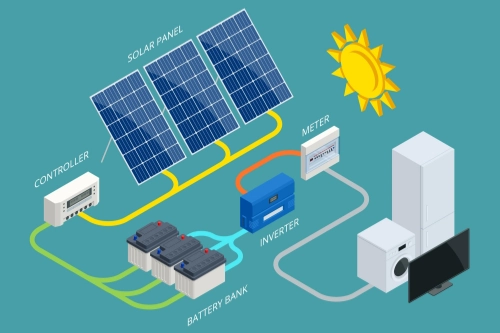
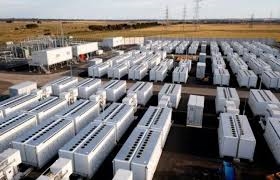
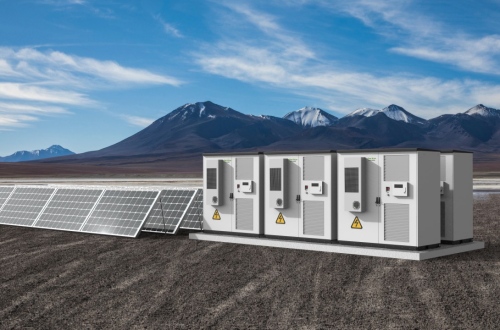
Sistemas de armazenamento de energia (ESE) são uma tecnologia chave na modernidade energia renovável e soluções de redes inteligentes. Eles armazenam o excesso de eletricidade gerada a partir da energia solar, vento, ou outras fontes de energia, e libere-o quando necessário, fornecendo estabilidade, eficiência, e flexibilidade para a rede elétrica.
Com a ascensão das energias renováveis, armazenamento de energia garante fonte de alimentação confiável, barbear de pico, e gerenciamento de carga para residencial, comercial, e aplicações em escala de utilidade.
Como funciona o armazenamento de energia
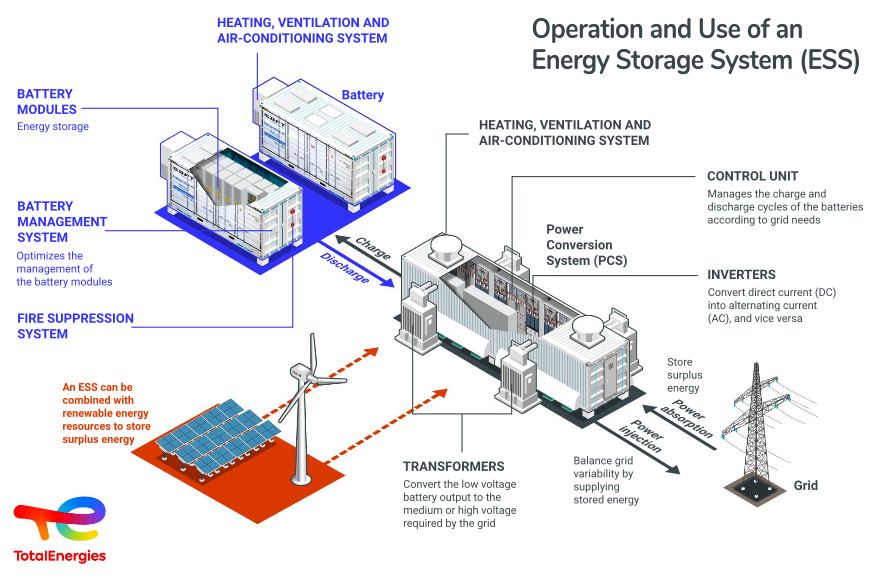
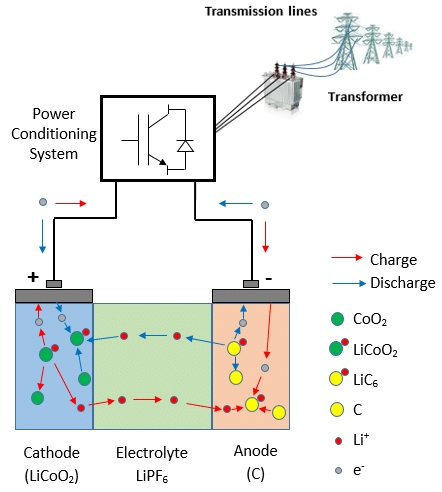
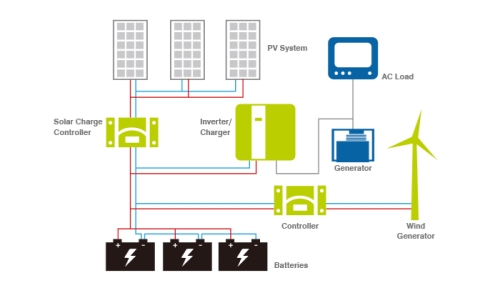
Um sistema típico de armazenamento de energia inclui:
| Componente | Função |
|---|---|
| Módulos de bateria | Armazene energia elétrica de forma eficiente |
| Sistema de gerenciamento de bateria (BMS) | Monitora e protege o desempenho da bateria |
| Inversor | Converte eletricidade CC armazenada em CA para uso |
| Sistema de gestão de energia | Otimiza os ciclos de carga e descarga |
| Grade / Conexão de carga | Fornece eletricidade quando necessário |
O armazenamento de energia permite que a energia renovável equilibrar oferta e demanda, fornecer eletricidade mesmo quando painéis solares ou turbinas eólicas não estão gerando energia.
Tipos de sistemas de armazenamento de energia
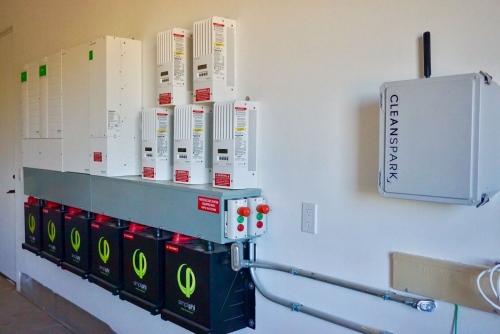
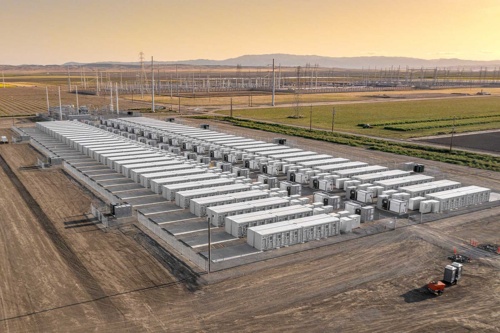
- Armazenamento Residencial – Fornece energia de reserva para residências e suporta sistemas solares em telhados.
- Comercial & Armazenamento Industrial – Reduz custos de eletricidade e melhora a eficiência energética.
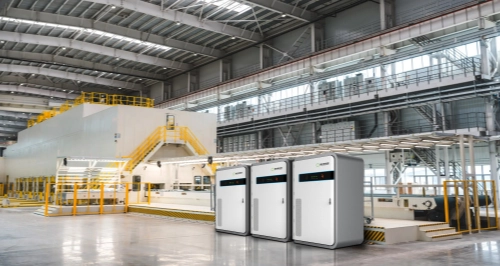
- Armazenamento em escala de utilidade – Estabiliza a rede elétrica e integra grandes projetos renováveis.
- Fora da rede & Sistemas Híbridos – Garante eletricidade confiável em áreas remotas sem acesso à rede.
Vantagens do armazenamento de energia
Integração Energética Sustentável – Suporta energia solar, vento, e outras fontes renováveis
Fonte de alimentação confiável – Fornece eletricidade durante interrupções ou picos de demanda
Estabilidade da rede – Equilibra a geração intermitente de energia renovável
Economia de custos de energia – Permite deslocamento de carga e redução de pico
Soluções escaláveis – Adequado para residências, negócios, e projetos de escala de utilidade
perfil de companhia
Luoyang Datang Tecnologia de Energia Co., Ltda. é uma empresa de alta tecnologia que integra R&D, fabricação, e fornecimento de equipamentos de energia e soluções de energia renovável. Especializada em transformadores, novos componentes de energia, armários de distribuição, e inversores, expandimos nosso portfólio para incluir sistemas de energia solar, armazenamento de energia soluções, e bombas de calor de fonte de ar. Com a inovação tecnológica como nosso núcleo, nos concentramos na criação de soluções de energia e eficiência energética de alta confiabilidade e alto desempenho para atender clientes globais. Através de um rigoroso sistema de controle de qualidade e certificação de padrão internacional, entregamos continuamente produtos excelentes que capacitam nossos clientes a construir, estável, e sistemas de energia sustentáveis.
Aceita pagamento via cartão de crédito, T/T, União Ocidental, e Paypal. PDDN enviará as mercadorias para clientes no exterior através da FedEx, DHL, por mar, ou por via aérea. Se você deseja uma estação de carregamento de alta qualidade Armazenamento de energia, por favor envie-nos perguntas; estaremos aqui para ajudá-lo.
Métodos de pagamento deArmazenamento de energia
L/C, T/T, Western Union, PayPal, Cartão de crédito etc..
Remessa de Armazenamento de Energia
Por mar, de avião, por expresso, como os clientes solicitam.
Perguntas frequentes sobre armazenamento de energia
1.O que é armazenamento de energia?
O armazenamento de energia armazena eletricidade de fontes renováveis ou de rede para uso posterior.
2.Que tipos de baterias são usadas no armazenamento de energia?
Os tipos comuns incluem Íon de lítio, Chumbo-ácido, Baterias de fluxo, e baterias de íon de sódio.
3.Quanto tempo duram os sistemas de armazenamento de energia?
A maioria dos sistemas de íons de lítio duram 10–15 anos, com manutenção adequada.
4.O armazenamento de energia pode funcionar com energia solar e eólica?
Sim, o armazenamento de energia complementa as energias renováveis intermitentes, armazenando o excesso de eletricidade para uso posterior.
5.Quais são os principais componentes de um sistema de armazenamento de energia?
Módulos de bateria, inversores, sistema de gerenciamento de bateria, sistema de gerenciamento de energia, e conexão de rede/carga.