


Lieferant elektronischer Komponenten | Transformatoren, Induktoren, Wechselrichter


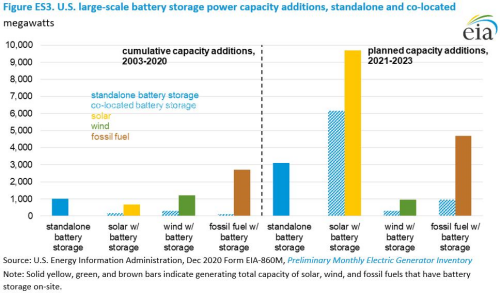
📷 Solar + Diagramm des Speichersystems
1. Warum Solar + Storage is the Future
Solarenergie alone is no longer sufficient.
👉 Die Herausforderung:
- Excess energy during the day
- High demand at night
Lösung: Energiespeicher
2. How the System Works
Basic working principle:
- Solar panels generate electricity
- Power is used by loads first
- Excess energy is stored in batteries
- Stored energy is used at night
👉 This is called Time Shifting
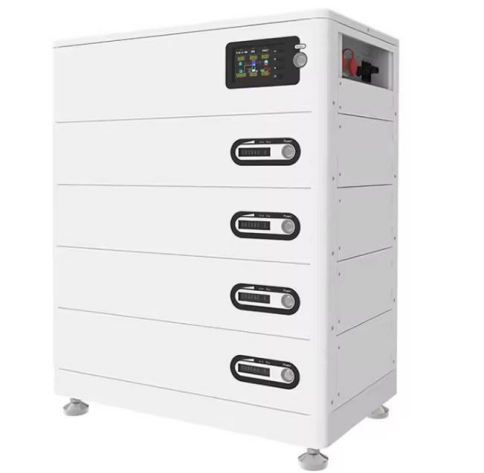
3. System Components
| Komponente | Funktion |
|---|---|
| Sonnenkollektoren | Power generation |
| Wechselrichter | Convert electricity |
| Battery | Energiespeicher |
| EMS | Intelligente Steuerung |
| Distribution System | Power allocation |
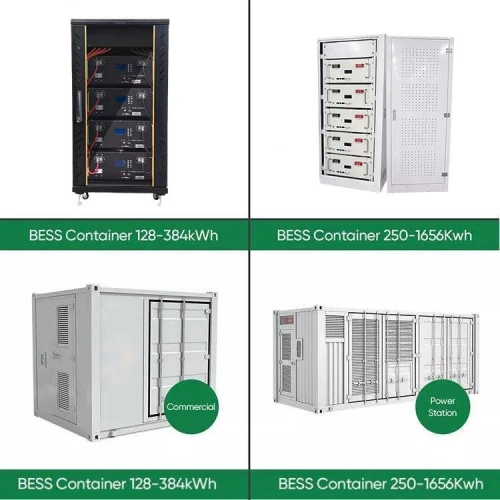
📷 Residential vs Commercial Systems
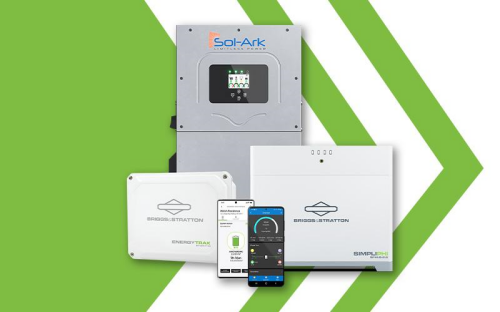
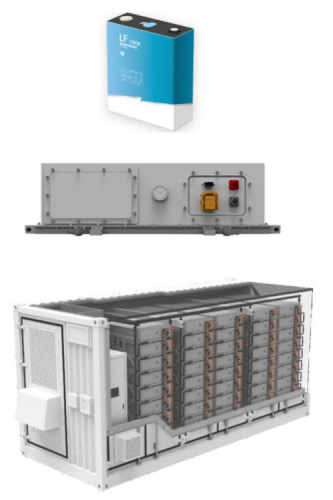
4. Application Scenarios
| Scenario | Merkmale | Typical Capacity |
|---|---|---|
| Residential | Small-scale | 5–20 kWh |
| Kommerziell | Medium-scale | 50–500 kWh |
| Industriell | Großflächig | 1 MWh+ |
| Microgrid | Netzunabhängig | Hybrid systems |
5. Economic Benefits
Cost Structure:
- Battery (~50%)
- STK & Wechselrichter
- Installation & O&M
Revenue Sources:
- Peak-valley arbitrage
- Reduced grid dependency
- Backup power value
6. Global Market Trends (2026)
Fastest-growing regions:
- 🇸🇦 Middle East (hohe Temperatur + high tariffs)
- 🇪🇺 Europe (energy crisis driven)
- 🇦🇫 Africa (unstable grid)
- 🇺🇸 USA (policy incentives)
7. Design for Harsh Environments
Key requirements:
- 🌡️ High-temperature resistance
- 🌪️ Dust protection
- ⚡ Grid instability tolerance
Solutions:
- Liquid cooling systems
- IP54+ protection
- Fire suppression systems
8. Zukünftige Trends
- Intelligentes Energiemanagement (KI)
- Modular design
- Solar + Lagerung + EV integration
9. Abschluss
Solar + energy storage is the most effective way to:
- Increase energy efficiency
- Reduce electricity costs
- Achieve energy independence
👉 Solution capability matters more than product alone
VERWANDTE BEITRÄGE
Heimwechselrichter: Ein leistungsstarkes Werkzeug zur Stromumwandlung, ein intelligenter Verwalter der Energie zu Hause

Lichtgesteuerte Thyristoren: ein wichtiges Instrument zur Verbesserung der Energieeffizienz

Mit Flüssigkeit gefüllter Transformator: Eine zuverlässige Lösung für die Stromverteilung
Wichtige Fortschritte wurden bei der Forschung zum Testen von AC-Durchführungen für UHV-Transformatoren in großer Höhe erzielt.
Intelligenter Masttransformator: So werden Sie zum stillen Hüter einer stabilen Stromversorgung?
