Leverandør av elektroniske komponenter | Transformatorer, Induktorer, Invertere


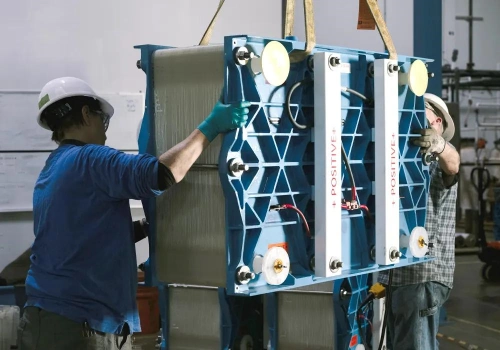
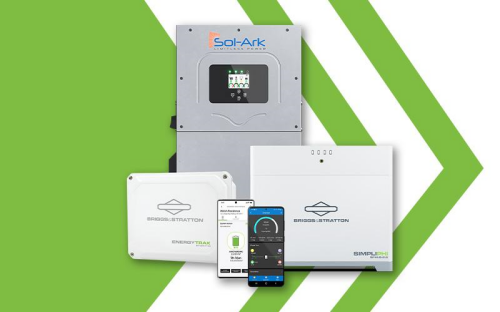
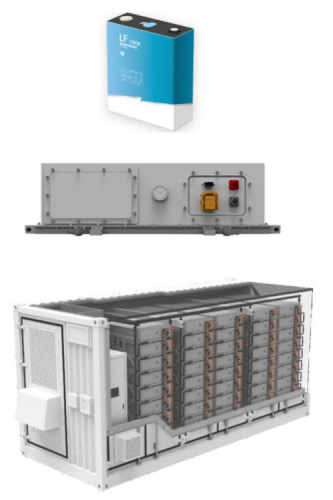
📷 Solenergi + Lagringssystemdiagram
1. Hvorfor Solar + Storage is the Future
Solenergi alone is no longer sufficient.
👉 Utfordringen:
- Excess energy during the day
- High demand at night
Løsning: Energilagring
2. How the System Works
Basic working principle:
- Solar panels generate electricity
- Power is used by loads first
- Excess energy is stored in batteries
- Stored energy is used at night
👉 This is called Time Shifting
3. Systemkomponenter
| Komponent | Funksjon |
|---|---|
| Solcellepaneler | Kraftproduksjon |
| Inverter | Convert electricity |
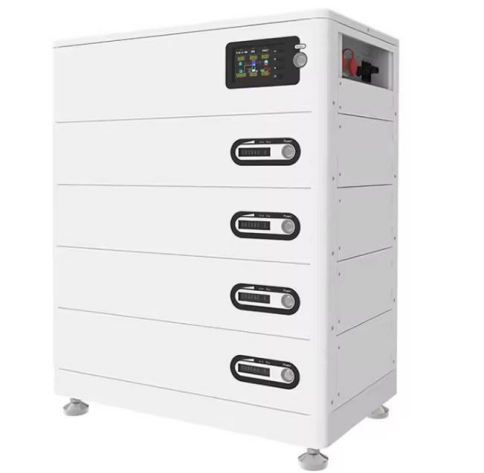
| Battery | Energilagring |
| EMS | Smart kontroll |
| Distribution System | Power allocation |
📷 Residential vs Commercial Systems
4. Application Scenarios
| Scenario | Funksjoner | Typical Capacity |
|---|---|---|
| Residential | Small-scale | 5–20 kWh |
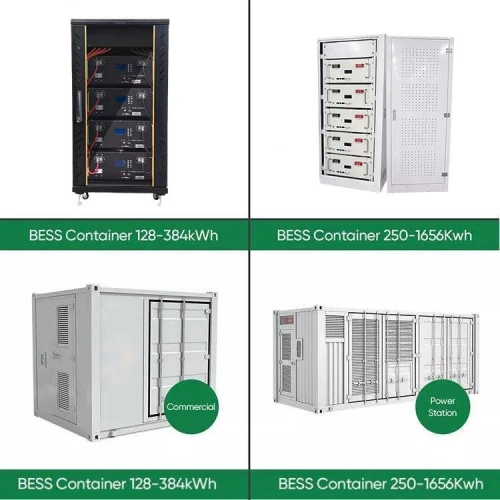
| Kommersiell | Medium-scale | 50–500 kWh |
| Industriell | Storskala | 1 MWh+ |
| Microgrid | Off-grid | Hybrid systems |
5. Economic Benefits
Cost Structure:
- Battery (~50%)
- PCS & inverter
- Installasjon & O&M
Revenue Sources:
- Peak-valley arbitrage
- Reduced grid dependency
- Backup power value
6. Globale markedstrender (2026)
Fastest-growing regions:
- 🇸🇦 Middle East (høy temperatur + high tariffs)
- 🇪🇺 Europe (energy crisis driven)
- 🇦🇫 Africa (unstable grid)
- 🇺🇸 USA (policy incentives)
7. Design for Harsh Environments
Key requirements:
- 🌡️ High-temperature resistance
- 🌪️ Dust protection
- ⚡ Grid instability tolerance
Løsninger:
- Liquid cooling systems
- IP54+ protection
- Fire suppression systems
8. Fremtidige trender
- Smart energy management (AI)
- Modulær design
- Solar + Lagring + EV integration
9. Konklusjon
Solar + energy storage is the most effective way to:
- Increase energy efficiency
- Reduce electricity costs
- Achieve energy independence
👉 Solution capability matters more than product alone
RELATERTE INNLEGG
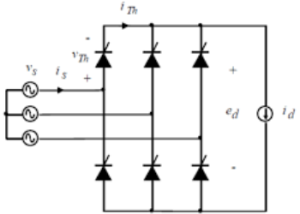
Tyristorfasekontrollberegning: kilden til visdom innen kraftelektronikk

Styring av fremtiden: Elektrifisering og bærekraft i gruvedrift
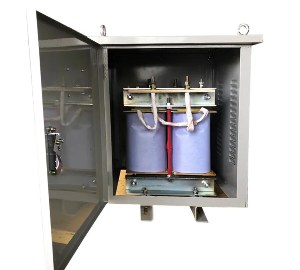
Dist transformator, DTR transformator, og fremtiden for energidistribusjon: En revolusjon drevet av AI
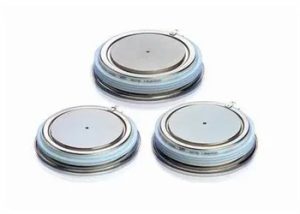
Ved 2030, det diskrete halvledermarkedet forventes å nå $60.7603.2 milliarder.
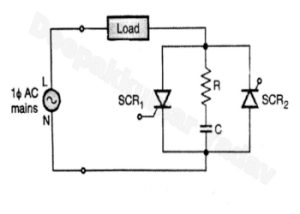
Anvendelse og fordeler med SCR Switch i industriell automasjon