전자 부품 공급업체 | 트랜스포머, 인덕터, 인버터


📷 태양광 + 스토리지 시스템 다이어그램
1. 왜 태양광인가? + 스토리지는 미래입니다
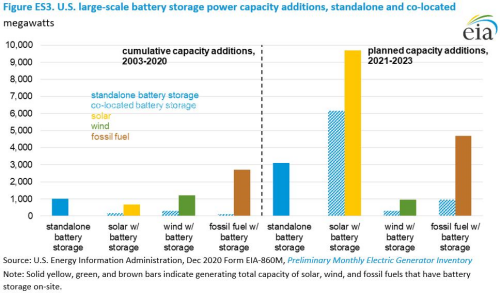
태양광 발전 혼자서는 더 이상 충분하지 않습니다.
👉 도전:
- 낮 동안의 과도한 에너지
- 밤에는 수요가 많음
해결책: 에너지 저장
2. 시스템 작동 방식
기본 작동 원리:
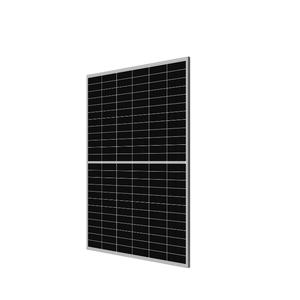
- 태양광 패널은 전기를 생산합니다
- 전력은 부하에 의해 먼저 사용됩니다.
- 남는 에너지는 배터리에 저장
- 저장된 에너지는 밤에 사용됩니다.
👉 이렇게 부르네요 시간 이동
3. 시스템 구성요소
| 요소 | 기능 |
|---|---|
| 태양광 패널 | 발전 |
| 인버터 | 전기를 변환하다 |
| 배터리 | 에너지 저장 |
| EMS | 스마트 컨트롤 |
| 유통 시스템 | 전력 할당 |
📷 주거용 시스템과 상업용 시스템
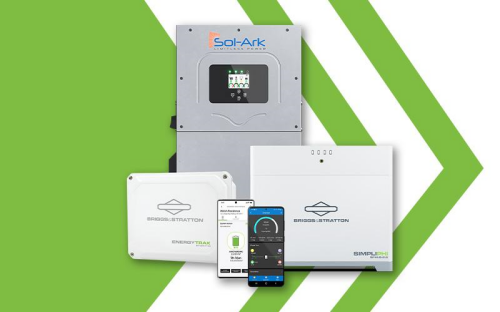
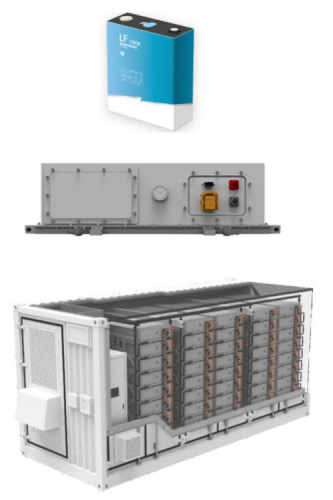
4. 응용 시나리오
| 대본 | 특징 | 일반 용량 |
|---|---|---|
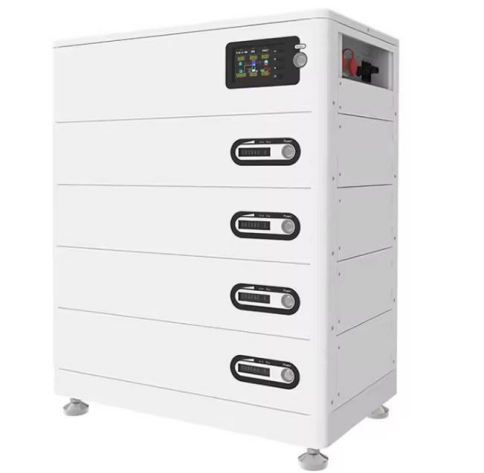
| 주거용 | 소규모 | 5-20kWh |
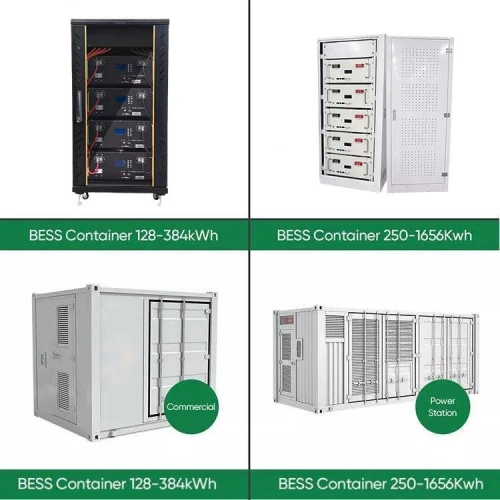
| 광고 | 중규모 | 50-500kWh |
| 산업용 | 대규모 | 1 MWh+ |
| 마이크로그리드 | 독립형 | 하이브리드 시스템 |
5. 경제적 이익
비용 구조:
- 배터리 (~50%)
- PCS & 인버터
- 설치 & 영형&중
수익원:
- 피크-밸리 차익거래
- 그리드 의존성 감소
- 백업 전력 값
6. 글로벌 시장 동향 (2026)
가장 빠르게 성장하는 지역:
- 🇸🇦 중동 (고온 + 높은 관세)
- 🇪🇺 유럽 (에너지 위기 주도)
- 🇦🇫 아프리카 (불안정한 그리드)
- 🇺🇸 미국 (정책 인센티브)
7. 열악한 환경을 위한 설계
주요 요구 사항:
- 🌡️ 고온 저항
- 🌪️ 먼지 보호
- ⚡ 그리드 불안정 허용오차
솔루션:
- 액체 냉각 시스템
- IP54+ 보호
- 화재 진압 시스템
8. 미래 동향
- 스마트 에너지 관리 (일체 포함)
- 모듈형 디자인
- 태양광 + 저장 + EV 통합
9. 결론
태양광 + 에너지 저장은 가장 효과적인 방법이다.:
- 에너지 효율성 향상
- 전기 비용 절감
- 에너지 자립 달성
👉 제품 자체보다 솔루션 역량이 더 중요