


Lieferant elektronischer Komponenten | Transformatoren, Induktoren, Wechselrichter


Einführung: Die stillen Arbeitspferde unseres Stromnetzes
Transformatoren sind weltweit grundlegende Komponenten elektrischer Systeme, stillschweigend die effiziente Übertragung und Verteilung von ermöglichtelektrischer Strom. Diese elektromagnetischen Geräte spielen eine entscheidende Rolle beim Erhöhen der Spannung für die Energieübertragung über große Entfernungen und beim Verringern der Spannung für eine sichere Verwendung im Haushalt und in der Industrie. Da der globale Energiebedarf steigt und die Integration erneuerbarer Energien beschleunigt wird, Verständnis der Beziehung zwischenTransformatoren Undelektrischer Strom wird für Ingenieure immer wichtiger, Techniker, und Energiefachleute.

Wie Transformatoren elektrischen Strom verwalten
Grundlegendes Funktionsprinzip
Transformatoren basieren auf dem Faradayschen Gesetz der elektromagnetischen Induktion, Übertragung elektrischer Energie zwischen Stromkreisen durch magnetische Kopplung. Im Wechselaktuell fließt durch die Primärwicklung, Es erzeugt ein sich änderndes Magnetfeld, das eine Spannung in der Sekundärwicklung induziert. Dieser Prozess ermöglichtTransformatoren um die Spannungspegel zu erhöhen oder zu verringern und gleichzeitig die zu beeinflussenaktuell – höhere Spannung bedeutet niedrigeraktuell und umgekehrt.
Die Strom-Spannungs-Beziehung
Der grundlegende Zusammenhang zwischen Spannung undaktuell InTransformatoren folgt der Gleichung:
Vp × Ip = Vs × Is
Wobei Vp und Ip die Primärspannung und sindaktuell, und Vs und Is sind Sekundärspannung undaktuell. Diese Gleichung zeigt, wieTransformatoren reduzierenaktuell zur Übertragung (Minimierung des Energieverlusts) und passen Sie es für Endanwendungen an.
Schlüsselanwendungen in modernen elektrischen Systemen
Stromübertragungsnetze
Einsatz von HochspannungsleitungenLeistungstransformatoren um die Spannung auf Hunderte von Kilovolt zu erhöhen, deutlich reduzierenaktuell und Minimierung von I²R-Verlusten bei der Übertragung über große Entfernungen. Diese Effizienz ist entscheidend für die wirtschaftliche Stromversorgung über nationale Netze hinweg.
Vertriebssysteme
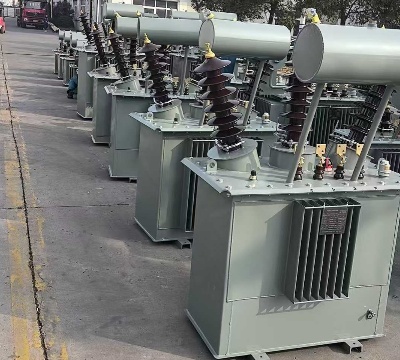
Verteilungstransformatoren Reduzieren Sie die Spannung weiter auf ein für Wohnzwecke brauchbares Niveau, kommerziell, und industrielle Verbraucher. Diese Einheiten sorgen für Sicherheitaktuell Niveaus für alltägliche Elektrogeräte bei gleichzeitiger Beibehaltung der Energieeffizienz.
Integration erneuerbarer Energien
Moderne Solar- und Windparks sind stark auf spezialisierte Anlagen angewiesenTransformatoren um erzeugten Strom umzuwandeln und ins Netz einzuspeisen. DieseTransformatoren Handle-Variableaktuell Inputs aus erneuerbaren Quellen bei gleichzeitiger Wahrung der Netzstabilität und Stromqualität.
Neue Trends und technologische Fortschritte
Intelligente Transformatoren
Die Entwicklung vonIntelligente Transformatoren stellt einen bedeutenden Fortschritt in der Netztechnologie dar. Diese digitalfähigen Geräte können Spannung und Spannung automatisch regulierenaktuell als Reaktion auf die Netzbedingungen in Echtzeit, Verbesserung der Effizienz und Zuverlässigkeit.
Nachhaltige Designinnovationen
Hersteller legen zunehmend Wert auf UmweltfreundlichkeitTransformator Designs mit biologisch abbaubaren Ölen, verbesserte Effizienzbewertungen, und reduzierte Lärmbelästigung. Diese Innovationen gehen auf Umweltbelange ein und sorgen gleichzeitig für optimale Ergebnisseaktuell Handhabungsmöglichkeiten.
Integration mit Energiespeichersystemen
Mit zunehmender Verbreitung von Batteriespeichern, Transformatoren entwickeln sich weiter, um bidirektional zu verwaltenaktuell Energieflüsse zwischen Speichersystemen und dem Netz. Diese Fähigkeit ist für die Stabilisierung von Netzen mit hoher Verbreitung erneuerbarer Energien von entscheidender Bedeutung.
Überlegungen zu Wartung und Effizienz
Überwachung aktueller Lasten
Regelmäßige Beurteilung vonaktuell Belastungen helfen vorzubeugenTransformator Überhitzung und Verschlechterung der Isolierung. Fortschrittliche Überwachungssysteme liefern jetzt Echtzeitaktuell Daten, Dies ermöglicht eine vorausschauende Wartung und verringert das Ausfallrisiko.
Energieeffizienzstandards
Globale Effizienzstandards wie DOE 2016 und IEC 60076 die Entwicklung vorantreibenTransformatoren die Energieverluste während minimierenaktuell Transformationsprozesse. Diese Vorschriften wirken sich erheblich auf Herstellungspraktiken und Produktauswahl aus.
Zukunftsausblick: Transformatoren in der sich entwickelnden Energielandschaft
Die Zukunft vonTransformatoren ist untrennbar mit den Entwicklungen in verbundenelektrischer Strom Managementtechnologien. Mehrere Schlüsseltrends prägen diese Entwicklung:
- Digitalisierung: IoT-fähig Transformatoren mit fortschrittlichen Sensoren für präzise aktuell Überwachung
- Materialwissenschaft: Nanokristalline und amorphe Kerne bieten ein reduziertes Angebot aktuell Verluste
- Kompakte Designs: Kleiner, mächtiger Transformatoren für städtische Umspannwerke
- Resilienztechnik: Verbesserter Schutz gegen aktuell Überspannungen und Cyber-Bedrohungen
Abschluss: Wesentliche Komponenten für eine nachhaltige Energiezukunft
Transformatoren bleiben unverzichtbare Bestandteile im Managementelektrischer Strom über globale Energiesysteme hinweg. Ihre Fähigkeit, Spannung und Spannung effizient zu steuernaktuell Ebenen ermöglichen eine moderne Stromverteilung und unterstützen gleichzeitig die Integration erneuerbarer Energiequellen. Da der technologische Fortschritt immer weiter voranschreitet, Transformatoren wird eine immer wichtigere Rolle beim Aufbau von Resilienz spielen, effizient, und nachhaltige elektrische Infrastruktur für zukünftige Generationen.
Die komplizierte Beziehung zwischen verstehenTransformatoren Undelektrischer Strom ist für Fachleute, die in Energiesystemen arbeiten, unerlässlich, erneuerbare Energie, und Elektrotechnik. Indem wir über die neuesten Entwicklungen und Anwendungen informiert bleiben, Stakeholder können fundierte Entscheidungen treffen, die zu effizienteren und zuverlässigeren Stromnetzen weltweit beitragen.
VERWANDTE BEITRÄGE

Wie dreiphasige Thyristoren funktionieren und verwendet werden

Der Unterschied zwischen einem Solarwechselrichter und einem Solar-Stringwechselrichter
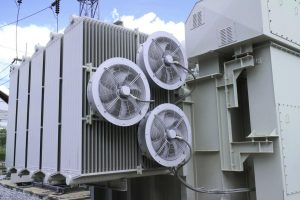
Warum Ingenieure Transformator-Lüfter vor dem Sommer inspizieren
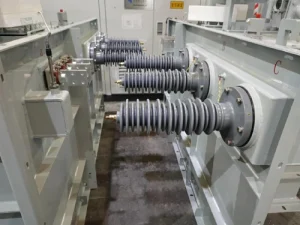
Wie Transformatordurchführungen funktionieren: Typen, Fehlerursachen und Wartungshandbuch
Anwendungen und Vorsichtsmaßnahmen des Thyristors BT151 650r
