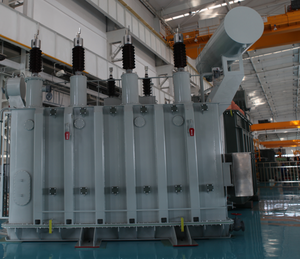
Leverandør af elektroniske komponenter | Transformere, Induktorer, Invertere


Indledning: De stille arbejdsheste i vores elektriske net
Transformere er grundlæggende komponenter i elektriske systemer verden over, lydløst muliggør effektiv transmission og distribution afelektrisk strøm. Disse elektromagnetiske enheder spiller en afgørende rolle i at øge spændingen til langdistance-strømtransmission og nedtrappe den til sikker husholdnings- og industriel brug. Efterhånden som det globale energibehov eskalerer, og integrationen af vedvarende energi accelererer, forstå forholdet imellemtransformere ogelektrisk strøm bliver stadig vigtigere for ingeniører, teknikere, og energiprofessionelle.

Hvordan transformere styrer elektrisk strøm
Grundlæggende driftsprincip
Transformere operere på Faradays lov om elektromagnetisk induktion, overførsel af elektrisk energi mellem kredsløb gennem magnetisk kobling. Ved afvekslingstrøm strømmer gennem primærviklingen, det skaber et skiftende magnetfelt, der inducerer en spænding i sekundærviklingen. Denne proces tilladertransformere at øge eller sænke spændingsniveauet, mens det omvendt påvirkerstrøm – højere spænding betyder laverestrøm og omvendt.
Det nuværende-spændingsforhold
Det grundlæggende forhold mellem spænding ogstrøm itransformere følger ligningen:
Vp × Ip = Vs × Is
Hvor Vp og Ip er primærspænding ogstrøm, og Vs og Is er sekundær spænding ogstrøm. Denne ligning viser hvordantransformere reducerestrøm til transmission (minimere energitab) og juster den til slutbrugsapplikationer.
Nøgleapplikationer i moderne elektriske systemer
Strømtransmissionsnetværk
Brug af højspændingstransmissionsledningerkrafttransformatorer at øge spændingen til hundredvis af kilovolt, væsentligt reducerendestrøm og minimering af I²R-tab under langdistancetransmission. Denne effektivitet er afgørende for økonomisk strømforsyning på tværs af nationale net.
Distributionssystemer
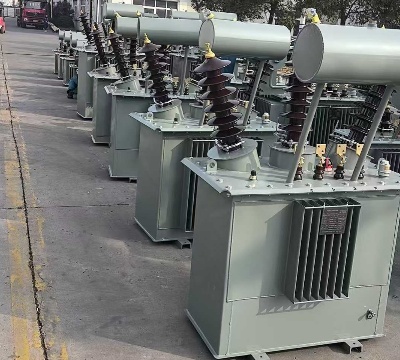
Fordelingstransformatorer yderligere reducere spændingen til brugbare niveauer til boliger, kommercielle, og industrielle forbrugere. Disse enheder sikrer sikkerstrøm niveauer for dagligdags elektriske enheder og samtidig opretholde energieffektiviteten.
Integration af vedvarende energi
Moderne sol- og vindmølleparker er stærkt afhængige af specialiseredetransformere at omdanne og tilføre genereret strøm til nettet. Dissetransformere håndtere variabelstrøm input fra vedvarende kilder, samtidig med at nettets stabilitet og strømkvalitet bevares.
Nye tendenser og teknologiske fremskridt
Smarte transformere
Udviklingen afsmarte transformere repræsenterer et betydeligt fremskridt inden for netteknologi. Disse digitalt aktiverede enheder kan automatisk regulere spænding ogstrøm niveauer som reaktion på netforhold i realtid, forbedring af effektivitet og pålidelighed.
Bæredygtige designinnovationer
Producenter fokuserer i stigende grad på miljøvenligttransformer designs med biologisk nedbrydelige olier, forbedrede effektivitetsvurderinger, og reduceret støjforurening. Disse innovationer adresserer miljøhensyn, samtidig med at de er optimalestrøm håndteringsevner.
Integration med energilagringssystemer
Efterhånden som batterilagring bliver mere udbredt, transformere udvikler sig til at håndtere tovejsstrøm strømme mellem lagersystemer og nettet. Denne evne er afgørende for at stabilisere netværk med høj vedvarende udbredelse.
Vedligeholdelses- og effektivitetsovervejelser
Overvågning af aktuelle belastninger
Regelmæssig vurdering afstrøm belastninger hjælper med at forhindretransformer overophedning og isolationsforringelse. Avancerede overvågningssystemer giver nu realtidstrøm data, muliggør forudsigelig vedligeholdelse og reducerer risikoen for fejl.
Energieffektivitetsstandarder
Globale effektivitetsstandarder som DOE 2016 og IEC 60076 drive udviklingen aftransformere der minimerer energitab understrøm transformationsprocesser. Disse regler påvirker i høj grad fremstillingspraksis og produktvalg.
Fremtidsudsigt: Transformere i det udviklende energilandskab
Fremtiden fortransformere er uløseligt forbundet med udviklingen ielektrisk strøm ledelsesteknologier. Flere nøgletendenser former denne udvikling:
- Digitalisering: IoT-aktiveret transformere med avancerede sensorer for præcis strøm overvågning
- Materialevidenskab: Nanokrystallinske og amorfe kerner tilbyder reduceret strøm tab
- Kompakte designs: Mindre, mere kraftfuld transformere til bystationer
- Resilience Engineering: Forstærket beskyttelse mod strøm stigninger og cybertrusler
Konklusion: Væsentlige komponenter for en bæredygtig energifremtid
Transformere forbliver uundværlige komponenter i ledelsenelektrisk strøm på tværs af globale magtsystemer. Deres evne til effektivt at kontrollere spænding ogstrøm niveauer muliggør moderne eldistribution og understøtter samtidig integrationen af vedvarende energikilder. I takt med at teknologiske fremskridt fortsætter med at dukke op, transformere vil spille en stadig mere kritisk rolle i at bygge robust, effektiv, og bæredygtig elektrisk infrastruktur til fremtidige generationer.
Forståelse af det indviklede forhold mellemtransformere ogelektrisk strøm er afgørende for fagfolk, der arbejder i elsystemer, vedvarende energi, og elektroteknik. Ved at holde sig orienteret om den seneste udvikling og applikationer, interessenter kan træffe informerede beslutninger, der bidrager til mere effektive og pålidelige elektriske netværk verden over.
RELATEREDE OPSLAG

Hvor effektiv er solcelleinverteren på nettet?

2N 5060 formede tyristorer: førende inden for effekthalvlederenheder

Anvendelsen af enfasede til trefasede invertere i kommercielle applikationer bliver stadig mere udbredt
Hvad er et relæ? Omfattende analyse af arbejdsprincipper, Typer, og applikationsscenarier (2025 Seneste version)
Thyristormodul til kondensatorskift i effektelektronik: principper, egenskaber og anvendelser