電子部品サプライヤー | トランスフォーマー, インダクタ, インバータ


導入: The Silent Workhorses of Our Electrical Grid
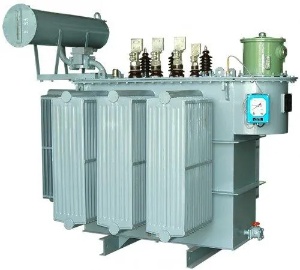
トランスフォーマー are fundamental components in electrical systems worldwide, silently enabling the efficient transmission and distribution ofelectric current. These electromagnetic devices play a crucial role in stepping up voltage for long-distance power transmission and stepping it down for safe household and industrial use. As global energy demands escalate and renewable energy integration accelerates, understanding the relationship between変圧器 そしてelectric current becomes increasingly vital for engineers, technicians, and energy professionals.

How Transformers Manage Electric Current
Basic Operating Principle
トランスフォーマー operate on Faraday’s law of electromagnetic induction, transferring electrical energy between circuits through magnetic coupling. When alternating現在 flows through the primary winding, it creates a changing magnetic field that induces a voltage in the secondary winding. This process allows変圧器 to increase or decrease voltage levels while inversely affecting the現在 – higher voltage means lower現在 and vice versa.
The Current-Voltage Relationship
The fundamental relationship between voltage and現在 で変圧器 follows the equation:
Vp × Ip = Vs × Is
Where Vp and Ip are primary voltage and現在, and Vs and Is are secondary voltage and現在. This equation demonstrates how変圧器 reduce現在 for transmission (minimizing energy loss) and adjust it for end-use applications.
Key Applications in Modern Electrical Systems
Power Transmission Networks
High-voltage transmission lines use電源変圧器 to step up voltage to hundreds of kilovolts, significantly reducing現在 and minimizing I²R losses during long-distance transmission. This efficiency is crucial for economic power delivery across national grids.
Distribution Systems
配電変圧器 further reduce voltage to usable levels for residential, コマーシャル, and industrial consumers. These units ensure safe現在 levels for everyday electrical devices while maintaining energy efficiency.
再生可能エネルギーの統合
Modern solar and wind farms rely heavily on specialized変圧器 to convert and feed generated power into the grid. これら変圧器 handle variable現在 inputs from renewable sources while maintaining grid stability and power quality.
Emerging Trends and Technological Advancements
スマートトランスフォーマー
The development ofsmart transformers represents a significant advancement in grid technology. These digital-enabled devices can automatically regulate voltage and現在 levels in response to real-time grid conditions, improving efficiency and reliability.
Sustainable Design Innovations
Manufacturers are increasingly focusing on eco-friendlyトランス designs featuring biodegradable oils, improved efficiency ratings, and reduced noise pollution. These innovations address environmental concerns while maintaining optimal現在 handling capabilities.
Integration with Energy Storage Systems
As battery storage becomes more prevalent, 変圧器 are evolving to manage bidirectional現在 flows between storage systems and the grid. This capability is essential for stabilizing networks with high renewable penetration.
Maintenance and Efficiency Considerations
Monitoring Current Loads
Regular assessment of現在 loads helps preventトランス overheating and insulation degradation. Advanced monitoring systems now provide real-time現在 データ, enabling predictive maintenance and reducing failure risks.
Energy Efficiency Standards
Global efficiency standards like DOE 2016 およびIEC 60076 drive the development of変圧器 that minimize energy losses during現在 transformation processes. These regulations significantly impact manufacturing practices and product selection.
今後の展望: Transformers in the Evolving Energy Landscape
The future of変圧器 is intrinsically linked to developments inelectric current management technologies. Several key trends are shaping this evolution:
- Digitalization: IoT対応 変圧器 with advanced sensors for precise 現在 監視
- Material Science: Nanocrystalline and amorphous cores offering reduced 現在 損失
- コンパクトな設計: より小さい, more powerful 変圧器 for urban substations
- Resilience Engineering: Enhanced protection against 現在 surges and cyber threats
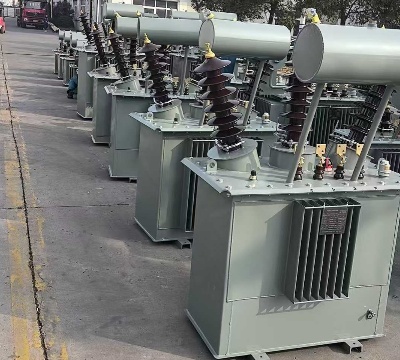
結論: Essential Components for a Sustainable Energy Future
トランスフォーマー remain indispensable components in managingelectric current across global power systems. Their ability to efficiently control voltage and現在 levels enables modern electricity distribution while supporting the integration of renewable energy sources. As technological advancements continue to emerge, 変圧器 will play an increasingly critical role in building resilient, 効率的, and sustainable electrical infrastructure for future generations.
Understanding the intricate relationship between変圧器 そしてelectric current is essential for professionals working in power systems, 再生可能エネルギー, and electrical engineering. By staying informed about the latest developments and applications, stakeholders can make informed decisions that contribute to more efficient and reliable electrical networks worldwide.