


Proveedor de componentes electrónicos | Transformadores, Inductores, Inversores


Introducción
la combinación desolar panels and inverters is revolutionizing how we generate and consume electricity. As global energy demands rise and environmental concerns grow, sistemas de energía solar paired with efficientinversores offer a sustainable and cost-effective solution. This article explores howsolar and inverter technology works, its benefits, and why it’s a must-have for homes and businesses in 2024.

How Solar Panels and Inverters Work Together
1. Paneles solares: Capturing Sunlight
Solar panels (photovoltaic cells) convert sunlight intocorriente continua (corriente continua) electricidad. The efficiency of modern panels has significantly improved, with some models exceeding22% eficiencia.
2. Inversores: Converting DC to AC
Since most homes and businesses usecorriente alterna (C.A.), inversores solares play a crucial role by convertingDC power from solar panels into usableAC power. There are three main types:
- String Inverters – Cost-effective for standard installations.
- Microinverters – Optimize performance for each panel (ideal for shaded areas).
- Inversores híbridos – Allow battery storage integration for energy backup.
Key Benefits of Solar and Inverter Systems
1. Facturas de electricidad más bajas
By generating your own power, you reduce reliance on the grid, leading tosignificant savings over time.
2. Respetuoso con el medio ambiente
Solar energy isclean and renewable, reducing carbon footprints and fossil fuel dependence.
3. Independencia energética
Withbattery-compatible inverters, you can store excess energy for use during outages or peak-rate hours.
4. Government Incentives
Many countries offertax credits, rebates, and net metering to encourage solar adoption.
5. Increased Property Value
Homes withsistemas de energía solar typically havehigher resale values.
Latest Trends in Solar and Inverter Technology (2024)
1. Smart Hybrid Inverters
New models integrate withhome energy management systems (HEMS) for real-time optimization.
2. AI-Powered Energy Monitoring
Advanced inverters now useAI algorithms to maximize efficiency based on weather and usage patterns.
3. Solar Panel Innovations
- Bifacial Solar Panels – Capture sunlight on both sides for arriba a 30% more efficiency.
- Perovskite Solar Cells – A breakthrough in alta eficiencia, low-cost solar tech.
4. Battery Storage Expansion
Lithium-ion andsolid-state batteries are makingsolar + almacenamiento systems more affordable.
Choosing the Right Solar and Inverter System
When selecting a system, considerar:
✔Energy Needs – Calculate your household/business consumption.
✔Roof Space & Luz del sol – Ensure optimal panel placement.
✔Inverter Type – Microinverters for shading issues, hybrid for battery backup.
✔Garantía & Brand Reputation - Buscar10+ años of coverage.
Conclusión
Solar and inverter systems are no longer just an eco-friendly choice—they’re asmart financial investment. With advancing technology, government incentives, and rising energy costs, there’s never been a better time to switch to solar.
PUBLICACIONES RELACIONADAS
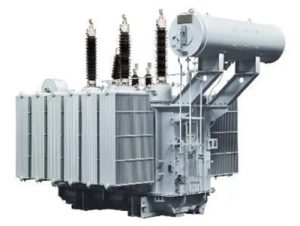
Fronteras de la tecnología de transformadores superconductores: Realidad y desafíos de la próxima generación de equipos energéticos de alta eficiencia
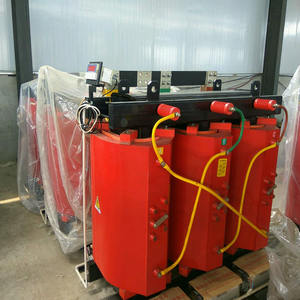
Transformadores de distribución de energía fotovoltaica y eólica: Impulsores clave en el campo de las nuevas energías.

100 Guía de precios de transformadores kVA 11kV/400V – Factores & Tendencias del mercado

La aplicación del cambiador de tomas circular para transformadores de potencia en la construcción de redes eléctricas.
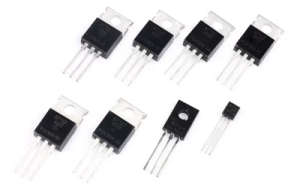
Tiristor BT151: un interruptor semiconductor eficiente y confiable
