Proveedor de componentes electrónicos | Transformadores, Inductores, Inversores


Con el rápido desarrollo de la ciencia y la tecnología., Los equipos electrónicos son cada vez más inseparables del soporte de los semiconductores.. Sin embargo, Los semiconductores generan mucho calor durante el funcionamiento.. Cómo resolver eficazmente este problema? Hoy, revelaremos los secretos de disipadores de calor semiconductores para usted y permitirle comprender su principio de funcionamiento, última tecnología, y tendencias futuras!
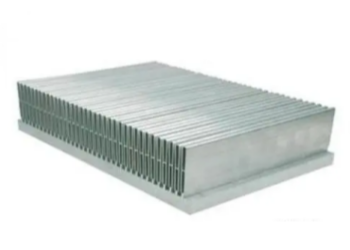
(Sdisipadores de calor semiconductores)
Cómo funcionan los radiadores semiconductores?
El disipador de calor semiconductor es uno de los componentes críticos en los equipos electrónicos.. Es el principal responsable de disipar rápidamente el calor generado por el chip semiconductor para garantizar el funcionamiento regular del chip semiconductor.. Su principio de funcionamiento incluye principalmente tres métodos.: conducción de calor, convección, y radiación.
1. Conducción térmica: Los radiadores semiconductores aprovechan la alta conductividad térmica de los metales., Cerámica y otros materiales para conducir rápidamente el calor generado por el chip semiconductor al radiador.. Los materiales comunes con alta conductividad térmica incluyen el cobre., aluminio, plata, etc..
2. Convección térmica: El radiador elimina el calor mediante convección forzada con el aire circundante.. Típicamente, Los radiadores utilizan ventiladores u otros dispositivos de ventilación para mejorar la convección..
3. Radiación térmica: El radiador transfiere calor al ambiente circundante a través de la radiación.. En algunos casos, La radiación térmica puede representar una parte importante de la disipación total de calor..
La última tecnología en radiadores semiconductores.
Many new semiconductor heat dissipation technologies have emerged in recent years to meet electronic equipment's efficient heat dissipation needs. A continuación se muestran algunas de las tecnologías más representativas.:
1. Tecnología de refrigeración líquida: Utilice refrigerante líquido (como el agua, glicol etileno, etc.) para eliminar el calor a través del flujo circulante. Este método tiene una alta eficiencia de enfriamiento y es adecuado para escenarios de alta potencia y alto calor..
2. Tecnología de tubos de calor: Utilice la conductividad térmica eficiente de los tubos de calor para transferir calor al radiador rápidamente. Los tubos de calor tienen las ventajas de su pequeño tamaño., transferencia de calor rápida, y disipación uniforme del calor.
3. Tecnología microcanal: Cree pequeños canales en el radiador para permitir que el líquido fluya en los canales., aumentar el área de disipación de calor, y mejorar la eficiencia de disipación de calor.
4. Tecnología de enfriamiento de materiales por cambio de fase.: Utilice el proceso de cambio de fase de los materiales de cambio de fase para absorber el calor y lograr un enfriamiento rápido.. Este material absorbe calor cuando la temperatura aumenta y libera calor cuando la temperatura baja..
5. Tecnología de enfriamiento de nanofluidos: Agregue partículas a nanoescala al refrigerante líquido para mejorar su conductividad térmica y fluidez., lo que resulta en una refrigeración más eficiente.
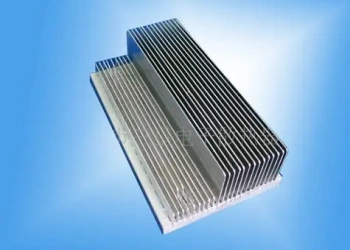
(Disipadores de calor semiconductores)
La tendencia futura de los radiadores semiconductores.
Con el continuo desarrollo de la tecnología., Los radiadores semiconductores también marcarán el comienzo de más innovaciones y cambios.. Las siguientes son varias tendencias de desarrollo de radiadores semiconductores en el futuro.:
1. Más eficiente: A medida que el poder de los chips semiconductores continúa aumentando, Los futuros radiadores semiconductores prestarán más atención a mejorar la eficiencia de refrigeración y reducir el impacto de la acumulación de calor en el rendimiento del dispositivo.. Al mismo tiempo, para campos de aplicación emergentes, como vehículos de nueva energía y estaciones base 5G, Las soluciones eficientes de disipación de calor serán más importantes debido a una mayor eficiencia de conversión de energía y densidad de calor total..
2. Más delgado y más ligero: Para satisfacer las necesidades cada vez más miniaturizadas y delgadas de los equipos electrónicos., Los futuros radiadores semiconductores prestarán más atención a la optimización del volumen y el peso., haciendo el equipo más delgado, más ligero y portátil. Al mismo tiempo, El diseño delgado y liviano también ayuda a mejorar la eficiencia energética del equipo y reducir costos..
3. control inteligente: Los futuros radiadores semiconductores tendrán control inteligente, que puede ajustar automáticamente la tasa de disipación de calor de acuerdo con el estado de funcionamiento del dispositivo y la temperatura ambiente, Garantizar que el dispositivo pueda mantener un rendimiento óptimo en diversos entornos.. Esta función de control inteligente se puede realizar a través de sensores., controladores y actuadores.
4. Utilización de energía renovable.: Con la mejora de la conciencia ambiental y el avance de las energías renovables, Los futuros radiadores semiconductores intentarán utilizar energía reciclable. (como la energía solar, energía eólica, etc.) para refrigeración para reducir el consumo de energía y las emisiones de carbono. Por ejemplo, Los sistemas de refrigeración alimentados por energía solar pueden disipar el calor de los dispositivos electrónicos..
Proveedor
PDDN Photoelectron Technology Co., Limitado. Es una empresa de alta tecnología centrada en la fabricación., R&D y venta de dispositivos semiconductores de potencia.. Desde su establecimiento, La empresa se ha comprometido a proporcionar alta calidad., Productos semiconductores de alto rendimiento para clientes de todo el mundo para satisfacer las necesidades de la industria electrónica de potencia en evolución..
Acepta pago mediante Tarjeta de Crédito, T/T, Unión Oeste, y paypal. PDDN enviará los productos a clientes en el extranjero a través de FedEx, DHL, por mar, o por aire. Si quieres alta calidad DISIPADORES, por favor envíanos consultas; nosotros ayudaremos.
PUBLICACIONES RELACIONADAS
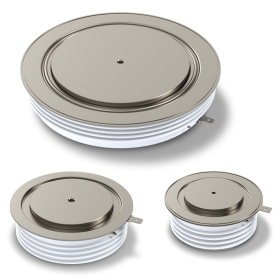
Abriendo una nueva era de alta eficiencia: para explorar las infinitas posibilidades de los tiristores de alta potencia.

¿Cómo puede Vishay liderar la tendencia de miniaturización de componentes electrónicos mediante nueva tecnología de diodos??

Controlador de energía solar: Los dispositivos portátiles regulan automáticamente la temperatura corporal, liderando una nueva tendencia en salud

Impulsando el futuro: Electrificación y Sostenibilidad en Minería
Tecnología de transformadores de tipo seco: De la innovación en aislamiento a los ecosistemas energéticos inteligentes