


Soláthraí Comhpháirteanna Leictreonacha | Claochladáin, Ionduchtóirí, Inverters


Tá an tírdhreach fuinnimh domhanda ag athrú ó bhonn. Arna thiomáint ag an ngá práinneach le dícharbónú agus neamhspleáchas fuinnimh, an t-aistriú ó bhreoslaí iontaise go foinsí fuinnimh in-athnuaite (RES) like solar and wind is accelerating. Mar sin féin, this transition presents a monumental challenge: how to manage these inherently variable and decentralized sources reliably. The answer lies in theintegration of renewable energy sources into the smart grid—a technological evolution that is redefining how we generate, dháileadh, agus leictreachas a ithe.
The Core Challenge: Variability and Intermittency
Unlike traditional power plants that provide consistent, dispatchable energy, renewables are dependent on environmental conditions. The sun doesn’t always shine, and the wind doesn’t always blow. seovariability and intermittency can lead to frequency fluctuations, voltage instability, and potential blackouts if not managed correctly. The old, centralized grid model, designed for one-way power flow, is simply not equipped to handle this complexity. This is where the smart grid emerges as the critical enabler.
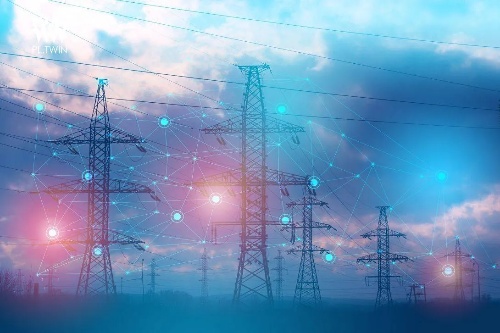
What is a Smart Grid? The Digital Nervous System
A smart grid is much more than just power lines and substations. Is clisteacht é, automated energy network that uses digital communication technology, braiteoirí, and advanced software to monitor and manage the flow of electricity from all sources to meet the varying electricity demands of end-users. Think of it as the Internet of Things (IoT) applied to the entire electricity ecosystem. Its core function is to add a layer ofreal-time visibility and control, creating a flexible, athléimneach, and efficient system.
Key Technologies Enabling Renewable Integration
The successfulcomhtháthú foinsí fuinnimh in-athnuaite hinges on several pivotal smart grid technologies:
1. Advanced Metering Infrastructure (AMI)
Often known as smart meters, AMI provides two-way communication between utilities and consumers. This allows forreal-time monitoring of energy consumption and generation (from home solar panels), enabling dynamic pricing and demand response programs. This data is the foundational element for a responsive grid.
2. Córais Stórála Fuinnimh (SSA)
Battery storage technology is the game-changer for renewable integration. Large-scale battery banks can store excess solar and wind energy generated during peak production periods and discharge it during times of high demand or low generation. This smooths out the peaks and valleys of renewable output, ensuring a stable and reliable power supply.
3. Freagra ar Éileamh (DR) and Flexible Load Management
Instead of only adjusting supply to meet demand, the smart grid allows for the reverse.Demand response programs incentivize consumers to automatically reduce their energy usage during peak periods. Smart appliances, feithiclí leictreacha (EVanna), and industrial loads can be shifted to times when renewable generation is high, effectively balancing the grid through consumer action.
4. Sophisticated Forecasting and Grid Management
Ag baint úsáide asIntleacht Shaorga (AI) agus foghlaim meaisín, grid operators can now accurately predict renewable generation patterns based on weather data. iad seoAI-powered forecasts allow for better planning, unit commitment, and market trading, significantly reducing the uncertainty associated with renewables.
5. Feithiclí Leictreacha (EVanna) as Mobile Storage Units
An t-ardú deFeithicil go Eangach (V2G) technology turns EVs from mere loads into distributed energy assets. When plugged in, an EV’s battery can feed power back into the grid during shortages, effectively acting as a massive, decentralized storage system. This is a hot topic and a key area of development forgrid stability.

The Benefits: A More Resilient and Efficient Grid
Tá anintegration of renewable energy sources in smart grid systems offers profound benefits:
- Enhanced Reliability and Resilience: The grid can self-heal from outages by automatically rerouting power and isolating faults.
- Increased Sustainability: Facilitates the deep decarbonization of the power sector by maximizing the use of renewables.
- Empowered Consumers: Provides users with data and control over their energy usage, leading to cost savings and active participation in energy markets.
- Improved Efficiency: Reduces transmission losses and optimizes asset utilization, lowering the overall cost of electricity.
Conclúid: The Path to a Sustainable Energy Future
Tá ancomhtháthú foinsí fuinnimh in-athnuaite is not just an add-on to the existing grid; it necessitates a complete overhaul. The smart grid, with its blend of digital intelligence, stóráil fuinnimh, and responsive demand, provides the essential framework to make a 100% renewable future not just a possibility, but an inevitability. As technology continues to advance, this synergy will only grow stronger, paving the way for a cleaner, níos iontaofa, and truly intelligent energy system for generations to come.
POSTAÍ GAOLMHARA

Déantóirí Trasfhoirmeoirí Dáilte Barr Cumhachtú an Domhain (2024 Treoraí)

Cad is Umar Caomhnóra Trasfhoirmeora ann?

Réimsí iarratais agus straitéisí leas iomlán a bhaint as ciorcaid inverter SCR

Tairiseoir C106M: an “capall dorcha” sa tionscal leictreonaice cumhachta

Rialú luais ar mhótair ionduchtaithe aon phas: Iarratais thyristor
