इलेक्ट्रॉनिक घटक आपूर्तिकर्ता | ट्रान्सफ़ॉर्मर, कुचालक, इन्वर्टर


परिचय
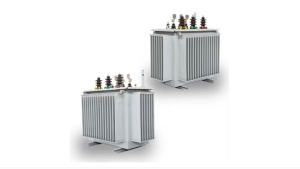
The3 phase distribution transformer is a critical component in electrical power systems, पूरे औद्योगिक क्षेत्र में कुशल विद्युत पारेषण और वितरण को सक्षम बनाना, व्यावसायिक, और आवासीय नेटवर्क. एकल-चरण ट्रांसफार्मर के विपरीत, three-phase transformers are designed to handle higher power loads with greater efficiency, making them indispensable in modern power infrastructure.
इस आलेख में, we will explore theकाम के सिद्धांत, प्रकार, फायदे, और अनुप्रयोग का3 phase distribution transformers, along with key considerations for selection and maintenance.
How Does a 3 Phase Distribution Transformer Work?
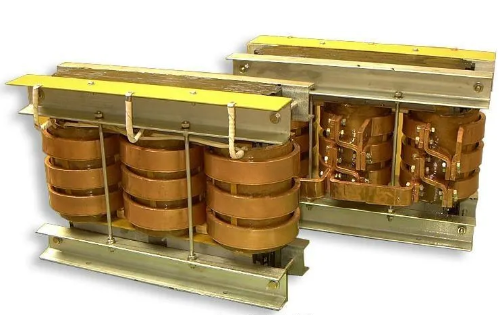
एthree-phase transformer operates on the principle of electromagnetic induction, converting voltage levels while maintaining power balance across three alternating currents (ए.सी) phases. यह होते हैं:
Primary Windings – Connected to the high-voltage supply.
Secondary Windings – Deliver stepped-down voltage for end-use.
चुंबकीय कोर – Typically made of laminated steel to minimize energy loss.
Unlike three single-phase transformers, ए3 phase transformer integrates all phases into a single unit, reducing size, लागत, and energy losses.
Key Advantages of 3 Phase Transformers Over Single-Phase
✔Higher Efficiency – Lower power loss per unit of electricity transmitted.
✔संक्षिप्त परिरूप – Single-unit construction saves space.
✔Balanced Load Distribution – Ensures stable voltage supply.
✔प्रभावी लागत – Lower installation and maintenance costs compared to three single-phase units.
Types of 3 Phase Distribution Transformers
1. तेल में डूबे ट्रांसफार्मर
ठंडा करने और इन्सुलेशन के लिए इन्सुलेट तेल का उपयोग करें.
Common in outdoor installations due to durability.
Best for: High-capacity industrial applications.
2. ड्राई-टाइप ट्रांसफार्मर
Use air or resin for cooling (कोई ज्वलनशील तेल नहीं).
Safer for indoor use (अस्पताल, स्कूलों, डेटा केंद्र).
Best for: Fire-sensitive environments.
3. पैड-माउंटेड ट्रांसफार्मर
सघन, ground-level units for urban distribution.
Tamper-resistant and aesthetically designed.
Best for: Residential and commercial power distribution.
4. Pole-Mounted Transformers
Installed on utility poles for overhead distribution.
Lightweight and cost-efficient for rural electrification.
Best for: Remote and suburban power supply.
के अनुप्रयोग 3 Phase Distribution Transformers
औध्योगिक संयंत्र – Power heavy machinery and manufacturing units.
वाणिज्यिक भवन – Support HVAC systems, लिफ्ट, और प्रकाश व्यवस्था.
नवीकरणीय ऊर्जा प्रणालियाँ – Integrate solar/wind farms into the grid.
डेटा केंद्र – Ensure uninterrupted power with high efficiency.
Municipal Power Grids – Distribute electricity across cities.
Key Factors When Selecting a 3 चरण ट्रांसफार्मर
शक्ति दर्ज़ा (केवीए) – Match load requirements.
Voltage Ratio – Ensure compatibility with input/output voltages.
ठंडा करने की विधि – Oil-cooled (ओनान) बनाम. ड्राई-प्रकार (बंद).
Efficiency Class - देखो के लिएIEEE/ANSI C57.12.00 अनुपालन.
पर्यावरणीय स्थितियाँ – Indoor vs. outdoor installation.

Maintenance Tips for Longevity
Regular Oil Testing (for oil-filled transformers).
Thermal Imaging Checks to detect overheating.
Insulation Resistance Testing to prevent breakdowns.
Load Monitoring to avoid overloading.
निष्कर्ष
The3 phase distribution transformer is a cornerstone of efficient power distribution, offering superior performance, विश्वसनीयता, and cost savings compared to single-phase alternatives. चाहे औद्योगिक के लिए, व्यावसायिक, or renewable energy applications, selecting the rightthree-phase transformer ensures optimal power delivery and system longevity.
For expert advice on3 phase transformers, consult a trusted manufacturer to find the best solution for your power needs.
संबंधित पोस्ट
ट्रांसफार्मर रेडिएटर: वह गुमनाम नायक जो आपके ट्रांसफार्मर को जीवित रखता है

तेज़ रिकवरी डायोड: पावर इलेक्ट्रॉनिक्स अनुप्रयोगों के लिए आदर्श

फास्ट स्पीड सॉफ्ट रिकवरी डायोड उच्च वोल्टेज और करंट जैसे चरम अनुप्रयोग वातावरण में कैसा प्रदर्शन करता है?
आप 3-फ़ेज़ डायोड ब्रिज रेक्टिफायर मॉड्यूल कैसे चुनते हैं??
लो-वोल्टेज ट्रांसफार्मर के लिए विशेष इंसुलेटर बिजली वितरण में सुरक्षा और प्रदर्शन में क्रांति लाता है