इलेक्ट्रॉनिक घटक आपूर्तिकर्ता | ट्रान्सफ़ॉर्मर, कुचालक, इन्वर्टर


जब कोई ट्रांसफार्मर ख़राब हो जाता है, समस्या अक्सर गर्मी की होती है
कई खरीदार ट्रांसफार्मर ब्रांडों की तुलना करने में कई सप्ताह बिताते हैं, घुमावदार सामग्री, और इन्सुलेशन कक्षाएं. फिर भी सबसे महत्वपूर्ण घटकों में से एक को अक्सर अनदेखा कर दिया जाता है: the ट्रांसफार्मर रेडिएटर.
एक ट्रांसफार्मर दशकों तक काम कर सकता है, लेकिन तभी जब इसका तापमान नियंत्रण में रहे. अत्यधिक गर्मी इन्सुलेशन की उम्र बढ़ने में तेजी लाती है, दक्षता कम कर देता है, रखरखाव की लागत बढ़ जाती है, और अंततः विनाशकारी विफलता का कारण बन सकता है.
यहीं पर ट्रांसफार्मर रेडिएटर आवश्यक हो जाता है.
इसे ऐसे समझें “शीतलन प्रणाली” एक बिजली ट्रांसफार्मर का. कुशल ताप अपव्यय के बिना, यहां तक कि उच्चतम गुणवत्ता वाला ट्रांसफार्मर भी विश्वसनीय दीर्घकालिक प्रदर्शन नहीं दे सकता है.
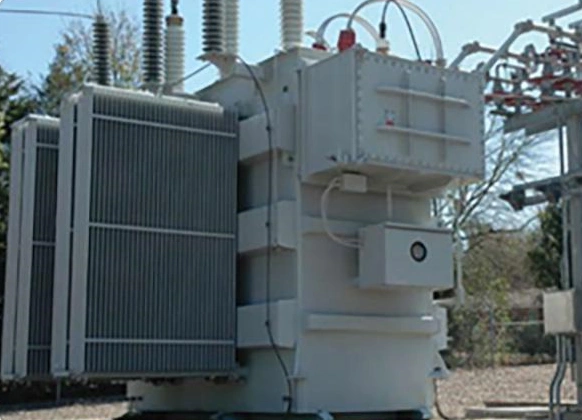
ट्रांसफार्मर रेडिएटर क्या है??
ए ट्रांसफार्मर रेडिएटर तेल में डूबे ट्रांसफार्मर पर स्थापित एक शीतलन घटक है. इसका उद्देश्य ट्रांसफार्मर तेल से गर्मी को आसपास की हवा में स्थानांतरित करना है.
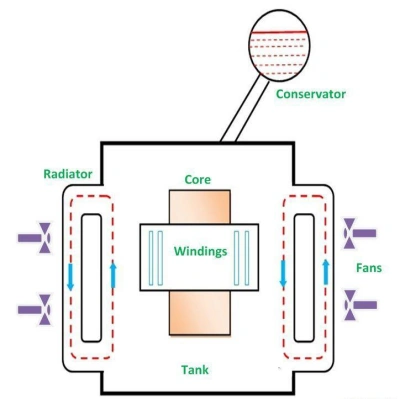
कार्य सिद्धांत सरल है:
- ट्रांसफार्मर का लोड गर्मी उत्पन्न करता है.
- इंसुलेटिंग ऑयल गर्मी को अवशोषित करता है.
- गर्म तेल रेडिएटर पैनल में प्रवाहित होता है.
- वातावरण में ऊष्मा उत्सर्जित होती है.
- ठंडा किया गया तेल ट्रांसफार्मर टैंक में वापस आ जाता है.
यह निरंतर परिसंचरण ट्रांसफार्मर को सुरक्षित तापमान सीमा के भीतर संचालित रखता है.
ट्रांसफार्मर रेडिएटर्स क्यों मायने रखते हैं?
1. ट्रांसफार्मर सेवा जीवन बढ़ाएँ
उद्योग के अनुभव से पता चलता है कि जब ऑपरेटिंग तापमान निर्धारित सीमा से ऊपर बढ़ जाता है तो इन्सुलेशन जीवन काफी कम हो जाता है.
उचित रूप से डिज़ाइन किया गया रेडिएटर इष्टतम ऑपरेटिंग तापमान बनाए रखने में मदद करता है, ट्रांसफार्मर का जीवनकाल बढ़ाना और प्रतिस्थापन लागत कम करना.
2. परिचालन विश्वसनीयता में सुधार करें
उपयोगिताओं, उपकेंद्रों, सौर फार्म, और औद्योगिक सुविधाएं अप्रत्याशित कटौती बर्दाश्त नहीं कर सकतीं.
एक कुशल शीतलन प्रणाली थर्मल तनाव को कम करती है और ट्रांसफार्मर की विफलता के जोखिम को कम करती है.
3. उच्च भार का समर्थन करें
जैसे-जैसे बिजली की मांग बढ़ती है, ट्रांसफार्मर अक्सर अपनी निर्धारित क्षमता के आसपास काम करते हैं.
उच्च-प्रदर्शन रेडिएटर सिस्टम ट्रांसफार्मर को भारी भार को अधिक सुरक्षित रूप से संभालने की अनुमति देते हैं.
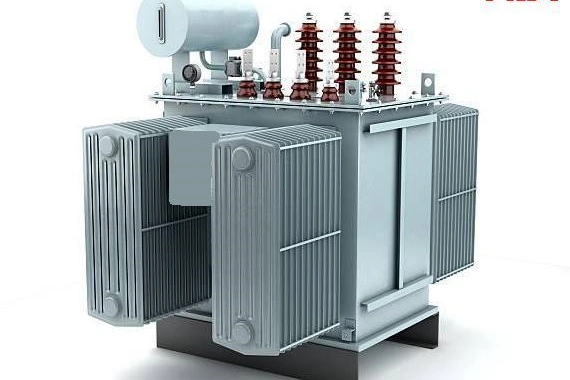
ट्रांसफार्मर रेडिएटर्स के प्रकार
वियोज्य रेडिएटर पैनल
ये मध्यम और बड़े पावर ट्रांसफार्मर में सबसे आम हैं.
लाभ:
- आसान परिवहन
- सुविधाजनक रखरखाव
- लचीला प्रतिस्थापन
वेल्डेड रेडिएटर
रेडिएटर्स को ट्रांसफार्मर टैंक में स्थायी रूप से वेल्ड किया जाता है.
लाभ:
- रिसाव का जोखिम कम
- संक्षिप्त परिरूप
- स्थापना कार्य में कमी
नालीदार टैंक शीतलक
अलग-अलग रेडिएटर्स के बजाय, ट्रांसफार्मर टैंक की दीवार ही शीतलन सतह के रूप में कार्य करती है.
आमतौर पर इसके लिए उपयोग किया जाता है:
- छोटे वितरण ट्रांसफार्मर
- पोल पर लगे ट्रांसफार्मर
- कॉम्पैक्ट सबस्टेशन
5 मुख्य कारक खरीदारों को जांचना चाहिए
1. ठंडा करने की क्षमता
रेडिएटर को ट्रांसफार्मर की थर्मल आवश्यकताओं से मेल खाना चाहिए.
हमेशा सत्यापित करें:
- ट्रांसफार्मर की क्षमता (केवीए/वैट)
- कुल ताप हानि
- परिवेश का तापमान
- ऊंचाई
हल्की जलवायु के लिए डिज़ाइन किया गया रेडिएटर रेगिस्तानी परिस्थितियों में पर्याप्त रूप से काम नहीं कर सकता है.
2. सामग्री की गुणवत्ता
अधिकांश ट्रांसफार्मर रेडिएटर्स का निर्माण किया जाता है:
- उच्च गुणवत्ता वाला कोल्ड-रोल्ड स्टील
- कार्बन स्टील
- संक्षारण प्रतिरोधी स्टील
प्रीमियम स्टील स्थायित्व और थर्मल प्रदर्शन में सुधार करता है.
3. दबाव परीक्षण
एक विश्वसनीय रेडिएटर से गुजरना चाहिए:
- वायु दाब परीक्षण
- वैक्यूम परीक्षण
- रिसाव परीक्षण
खराब वेल्डिंग गुणवत्ता के परिणामस्वरूप तेल रिसाव हो सकता है, सबसे आम फ़ील्ड विफलताओं में से एक.
4. सतह का उपचार
अफ़्रीका में परियोजनाओं के लिए, मध्य पूर्व, दक्षिणपूर्व एशिया, और तटीय क्षेत्र, संक्षारणरोधी सुरक्षा महत्वपूर्ण है.
सामान्य विकल्पों में शामिल हैं:
- पाउडर कोटिंग
- रेत विस्फोट
- हॉट-डिप गैल्वनाइजिंग
- एपॉक्सी कोटिंग
एक गुणवत्तापूर्ण कोटिंग सेवा जीवन को महत्वपूर्ण रूप से बढ़ा सकती है.
5. कनेक्शन डिज़ाइन
के साथ संगतता की जाँच करें:
- निकला हुआ किनारा आकार
- केंद्र की दूरी
- तितली वाल्व
- ट्रांसफार्मर टैंक डिजाइन
यदि आयाम ट्रांसफार्मर से मेल नहीं खाते तो उच्च गुणवत्ता वाला रेडिएटर भी बेकार हो जाता है.
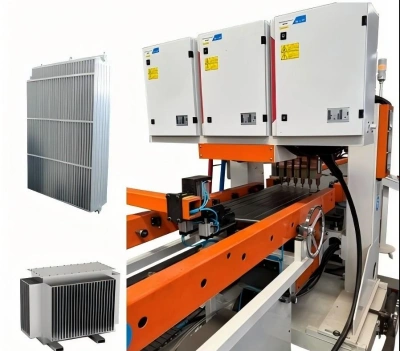
ख़रीदारों को सामना करने वाली सामान्य समस्याएँ
तेल रिसाव
आमतौर पर इसके कारण होता है:
- ख़राब वेल्डिंग
- क्षतिग्रस्त गास्केट
- ग़लत स्थापना
अपर्याप्त शीतलन
अक्सर से संबंधित:
- कम आकार का रेडिएटर क्षेत्र
- ख़राब तेल परिसंचरण
- उच्च परिवेश तापमान
जंग
आम में:
- तटीय क्षेत्र
- आर्द्र वातावरण
- रासायनिक पौधे
उचित कोटिंग और रखरखाव आवश्यक है.
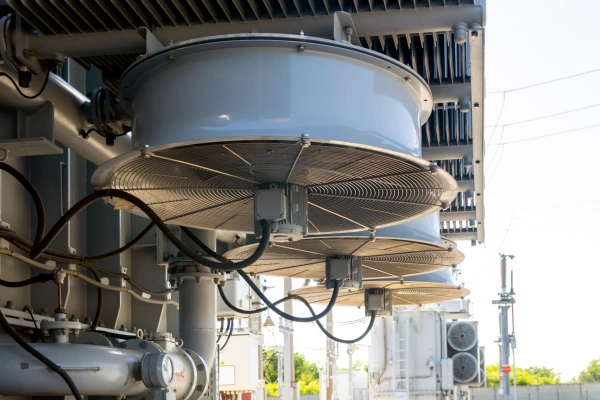
एक विश्वसनीय ट्रांसफार्मर रेडिएटर आपूर्तिकर्ता का चयन कैसे करें
ऑर्डर देने से पहले, आपूर्तिकर्ता से पूछें:
✔ क्या आप दबाव परीक्षण रिपोर्ट प्रदान कर सकते हैं?
✔ किस मोटाई का स्टील प्रयोग किया जाता है?
✔ कौन सी कोटिंग प्रक्रिया उपलब्ध है?
✔ क्या आप अनुकूलित आयामों का समर्थन करते हैं?
✔ क्या आप मौजूदा ट्रांसफार्मर डिज़ाइनों से मेल खा सकते हैं?
✔ आपने किन अंतरराष्ट्रीय बाजारों में आपूर्ति की है?
एक पेशेवर निर्माता को इन सवालों का तुरंत जवाब देने में सक्षम होना चाहिए.
ट्रांसफार्मर रेडिएटर्स की बढ़ती वैश्विक मांग
कई बाज़ार रुझान मांग को बढ़ा रहे हैं:
- ग्रिड आधुनिकीकरण परियोजनाएँ
- नवीकरणीय ऊर्जा प्रतिष्ठान
- सौर ऊर्जा संयंत्र
- हवा के खेत
- औद्योगिक विस्तार
- ट्रांसफार्मर नवीनीकरण कार्यक्रम
कई उपयोगिताएँ पूरी तरह से नए ट्रांसफार्मर खरीदने के बजाय रेडिएटर्स को बदलना पसंद करती हैं, एक बड़ा आफ्टरमार्केट अवसर तैयार करना.
संबंधित पोस्ट
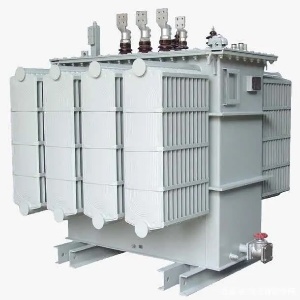
तेल में डूबे हुए ट्रांसफार्मर का निर्माण कैसे करें
बिजली उद्योग तकनीकी नवाचार के दौर से गुजर रहा है, 100kVA के साथ, 11के.वी, और 33kV ट्रांसफार्मर पावर ग्रिड को अपग्रेड करने में मदद कर रहे हैं

WVC-700 पावर इन्वर्टर दूरदराज के क्षेत्रों को बिजली में आत्मनिर्भरता हासिल करने में मदद करता है
ईएसएस का अजेय उदय: एक लचीलेपन को सशक्त बनाना, नवीकरणीय भविष्य

माइक्रो इनवर्टर वाले सौर पैनलों और साधारण सौर पैनलों के बीच अंतर