


Fornitore di componenti elettronici | Trasformatori, Induttori, Invertitori


Regolatore di tensione trifase

200Regolatore di tensione compensato trifase KW Produttore cinese

Regolatore di tensione stabilizzatore trifase 100KVA Produttore cinese

Regolatore di tensione / Stabilizzatore (SBW-50KVA) Produttore cinese

150Stabilizzatore regolatore di tensione KVA / 380V Produttore cinese

3 Produttore cinese di regolatori di tensione automatici di fase 30kVA

regolatore di tensione trifase 380v 80KVA Produttore cinese

250regolatore di tensione kva controller 380v produttore cinese

400Regolatore di tensione KVA 380V 220V Produttore cinese

500Regolatore di tensione KVA Controller 380v Produttore cinese

Produttore cinese di regolatore di tensione automatico trifase 380v

3regolatore di tensione di fase 380V ad alta potenza Produttore cinese

Produttore cinese di regolatori ad alta tensione trifase vendita calda
Panoramica del regolatore di tensione trifase
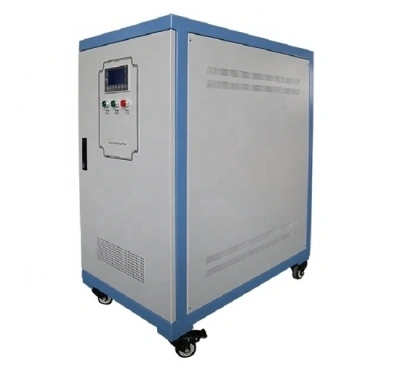
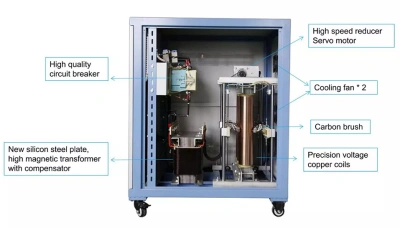
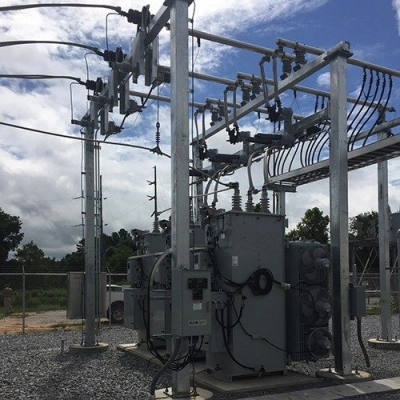
I regolatori di tensione trifase sono progettati per stabilizzare e regolare i livelli di tensione nei sistemi di alimentazione trifase. Garantiscono un'alimentazione di tensione costante, proteggere le apparecchiature elettriche da fluttuazioni di tensione, picchi, e gocce.
Questi regolatori sono ampiamente utilizzati in impianti industriali, fabbriche, centri dati, e sistemi di distribuzione dell'energia, soprattutto dove la stabilità della tensione è fondamentale.
Come funzionano i regolatori di tensione trifase
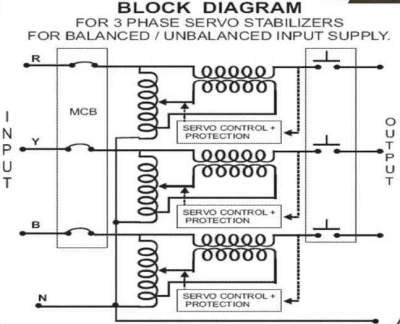
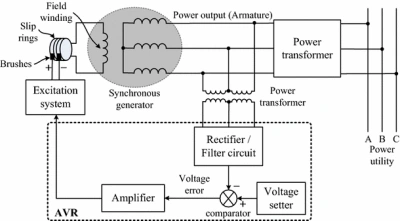
I regolatori di tensione regolano automaticamente la tensione di uscita.
| Componente | Funzione |
|---|---|
| Trasformatore | Adjusts voltage levels according to system requirements |
| Sistema di controllo | Detects voltage fluctuations and controls the regulation process |
| Servomotore / AVR | Automatically regulates output voltage |
| Voltage Sensing Unit | Measures the input and output voltage continuously |
| Pannello di controllo | Displays operating parameters and allows system settings |
| Tocca Cambia | Changes transformer turns ratio to maintain the required voltage |
| Sistema di protezione | Prevents overvoltage, sottotensione, sovraccarico, and other abnormal conditions |
| Circuit Breaker | Disconnects the circuit during faults or abnormal operation |
| Bypass System | Allows the load to continue operating during maintenance or regulator failure |
| Sistema di raffreddamento | Controls operating temperature and helps prevent overheating |
| Surge Protection | Protects the regulator and connected equipment from voltage surges |
| Allegato | Protects internal components from dust, umidità, e condizioni ambientali |
Tipi di regolatori di tensione trifase
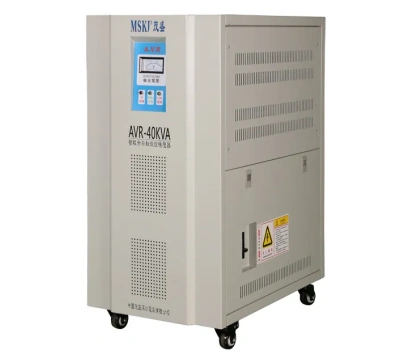
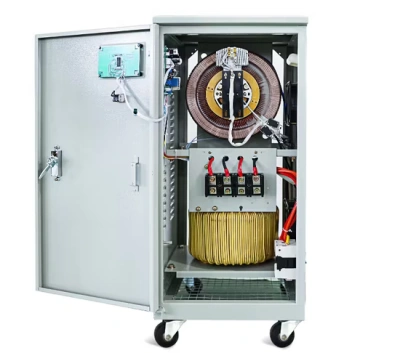
- Servoregolatore di tensione – Regolazione ad alta precisione
- Regolatore di tensione statico (AVR) – Controllo elettronico a risposta rapida
- Stabilizzatore automatico di tensione – Ampiamente utilizzato negli impianti industriali
- Regolatore di tensione di distribuzione – Controllo della tensione lato rete
Vantaggi dei regolatori di tensione
- Funzionamento industriale affidabile
- Tensione di uscita stabile
- Protezione per apparecchiature elettriche
- Migliore qualità dell'energia
- Efficienza energetica
Profilo Aziendale
Luoyang Datang Energy Technology Co., Ltd. è un'impresa high-tech che integra R&D, produzione, e fornitura di apparecchiature elettriche e soluzioni di energia rinnovabile. Specializzata in trasformatori, nuove componenti energetiche, armadi di distribuzione, e inverter, abbiamo ampliato il nostro portafoglio per includere i sistemi di energia solare, soluzioni di stoccaggio dell’energia, e pompe di calore ad aria. Con l'innovazione tecnologica al centro, ci concentriamo sulla creazione di soluzioni di potenza ed efficienza energetica ad alta affidabilità e ad alte prestazioni per servire clienti globali. Attraverso un rigoroso sistema di controllo della qualità e una certificazione standard internazionale, forniamo continuamente prodotti eccellenti che consentono ai nostri clienti di costruire in sicurezza, stabile, e sistemi energetici sostenibili.
Se vuoi un prodotto di alta qualitàTre Pregolatore di tensione fornitore, ti invitiamo a contattarci o informarti sui prodotti correlati.
Metodi di pagamento perTre-Pregolatore di tensione
L/C, T/T, Unione occidentale, PayPal, Carta di credito ecc.
Spedizione diTre-Pregolatore di tensione
Una volta ricevuto il pagamento, via mare, aria, o esprimere al più presto possibile.
Domande frequenti sul regolatore di tensione trifase
1. Cos'è un regolatore di tensione trifase?
A three phase voltage regulator is an electrical device designed to automatically stabilize and regulate voltage in three-phase power systems. It compensates for voltage fluctuations and maintains a more consistent output voltage for connected electrical equipment.
2. Perché la regolazione della tensione è importante?
Stable voltage is important for the safe and reliable operation of electrical equipment. Excessive voltage fluctuations can cause overheating, reduced equipment life, malfunction, or unexpected shutdowns. A voltage regulator helps maintain the voltage within the required operating range.
3. How does a three phase voltage regulator work?
The regulator continuously monitors the input voltage through a voltage sensing system. When the voltage rises or falls outside the preset range, the control system adjusts the regulating mechanism to increase or decrease the output voltage. This process helps provide a stable voltage to the connected load.
4. What industries use three phase voltage regulators?
Three phase voltage regulators are commonly used in manufacturing plants, fabbriche, centri dati, edifici commerciali, telecommunications facilities, ospedali, laboratori, e sistemi di distribuzione dell'energia. They are particularly useful where sensitive equipment requires a stable power supply.
5. What is the difference between servo and static voltage regulators?
Servo voltage regulators use a motor-driven mechanical mechanism to adjust the voltage, while static voltage regulators use electronic components to regulate voltage without moving mechanical parts. Servo regulators are commonly selected for applications requiring reliable voltage stabilization, while static regulators can provide very fast voltage correction.
6. Can a three phase voltage regulator improve energy efficiency?
A voltage regulator can help improve the operating conditions of electrical equipment by maintaining a stable supply voltage. It may reduce unnecessary energy consumption and equipment stress caused by excessive or unstable voltage. Tuttavia, the actual energy savings depend on the characteristics of the electrical system and connected loads.
7. What is the difference between a voltage regulator and a transformer?
A transformer primarily changes the voltage level between the input and output sides, while a voltage regulator automatically adjusts the output voltage to compensate for fluctuations. Some voltage regulation systems combine transformer technology with automatic voltage control to provide both voltage transformation and stabilization.
8. Can a three phase voltage regulator protect electrical equipment?
SÌ. By maintaining a stable output voltage, a regulator can help reduce the risk of equipment problems caused by overvoltage and undervoltage. Many systems can also be equipped with protection functions such as overload, short-circuit, sovratensione, and undervoltage protection.
9. What voltage range can a three phase voltage regulator handle?
The applicable voltage range depends on the regulator model and system requirements. Common specifications include different input and output voltage levels, such as 380V, 400V, 415V, or other customized ratings. The required input range, output voltage, capacità, and frequency should be confirmed before selection.
10. How do I choose the right three phase voltage regulator?
The selection should be based on several factors, including rated power, input voltage range, required output voltage, frequenza, load type, regulation accuracy, response time, installation environment, and protection requirements. For industrial applications, the maximum load and starting current of equipment should also be considered.
11. Can a three phase voltage regulator be used for industrial equipment?
SÌ. Three phase voltage regulators are widely used for industrial equipment such as CNC machines, motori, pompe, compressori, linee di produzione, attrezzature per saldatura, and other electrical systems. The regulator capacity should be selected according to the actual load and operating conditions.
12. Does a three phase voltage regulator require maintenance?
Regular inspection is recommended to ensure reliable operation. Maintenance may include checking electrical connections, sistemi di raffreddamento, control components, dispositivi di protezione, and the operating condition of the regulator. For servo-type regulators, the mechanical components should also be inspected periodically.
13. Can the voltage regulator be customized?
SÌ. Three phase voltage regulators can often be customized according to project requirements, including input and output voltage, capacità, regulation range, precisione, frequenza, enclosure type, funzioni di protezione, and installation method. Customers should provide the electrical system parameters so the appropriate model can be selected.
14. What information should I provide when requesting a quotation?
For an accurate quotation, it is recommended to provide the input voltage, required output voltage, rated capacity (kVA/kW), frequenza, number of phases, voltage regulation range, regulation accuracy, load type, installation environment, and quantity. If available, a technical specification or electrical system diagram can also help the supplier recommend a suitable model.