


Fornitore di componenti elettronici | Trasformatori, Induttori, Invertitori


Introduzione
Electricalsottostazioni Etrasformatori form the critical infrastructure of power distribution networks. Mentresubstations act as nodal points for voltage regulation and power routing, transformers serve as the workhorses that enable efficient voltage conversion. This in-depth guide explores theirinterdependence, key components, technological advancements, and industry applications to help energy professionals optimize power infrastructure.

Core Functions of a Substation
Voltage transformation (step-up/step-down)
Power routing and switching
Frequency regulation
Protection and monitoring of grid assets
Types of Substations
Transmission Substations (66kV-765kV)
Interconnect high-voltage networks
Caratteristicalarge power transformers (100MVA+)
Distribution Substations (11kV-33kV)
Supply power to end-users
Utilizedistribution transformers (50kVA-30MVA)
Converter Substations
Enable HVDC transmission
Employspecialized converter transformers
The Critical Role of Transformers in Substations
Transformer Types in Substations
| Tipo | Intervallo di tensione | Key Application |
|---|---|---|
| Trasformatore di potenza | 33kV-800kV | Transmission voltage conversion |
| Trasformatore di distribuzione | 415V-33kV | Local power distribution |
| Autotrasformatore | 110kV-400kV | Interconnection of similar voltages |
| Phase-shifting Transformer | 138kV-345kV | Power flow control |
Innovations in Transformer Technology
Smart transformers with IoT monitoring
Eco-friendly ester oil alternatives
Nuclei metallici amorfi for higher efficiency
Tecnologia del gemello digitale for predictive maintenance
Substation-Transformer Integration
Key Interconnection Components
Interruttori automatici – Isolate faults
Sbarre – Distribute power within substation
Protective Relays – Monitor abnormal conditions
Capacitor Banks – Power factor correction
Modern Substation Design Trends
Gas-insulated substations (GIS) for urban areas
Hybrid substations combining AIS and GIS elements
Mobile substations for emergency power
Renewable integration sottostazioni
Utility-Scale Power Systems
National grid transmission networks
Regional load dispatch centers
Industrial Power Solutions
Steel plants requiring 220kV+ supply
Centri dati needing 99.999% affidabilità
Emerging Applications
EV charging megahubs
Offshore wind farm collector stations
Punti di interconnessione della microrete
Maintenance and Safety Considerations
Transformer Maintenance Best Practices
Analisi dei gas disciolti (DGA) for fault detection
Immagini termiche of connections
Test regolari dell'olio and filtration
Substation Safety Protocols
Arc flash hazard mitigation
Remote operation capabilities
Cybersecurity for digital substations

Prospettive future
Key Development Areas
Trasformatori a stato solido per una commutazione più rapida
Superconducting transformers with zero losses
AI-driven substation automation
Modular containerized substations
Conclusione
ILsynergy between substations and transformers drives modern power systems, enabling efficient electricity delivery from generation to end-users. COMEgrid modernization accelerates, understanding theirtechnological evolution and integration strategies becomes crucial for energy professionals.
POST CORRELATI
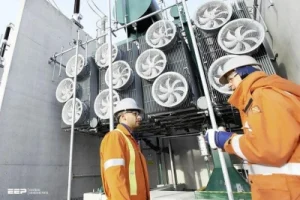
Trasformatore intelligente: La spina dorsale dell’infrastruttura elettrica di prossima generazione
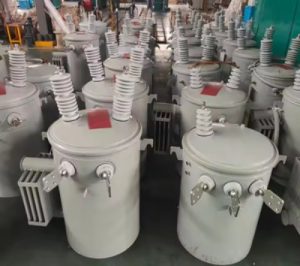
Analisi del principio di funzionamento e prospettive applicative dei trasformatori polari

Rivelando l'inverter solare fotovoltaico: L'arma segreta della produzione di energia solare fotovoltaica
Trasformatori boost per forni industriali: Aumentare l’efficienza energetica e la sicurezza nelle industrie ad alta temperatura
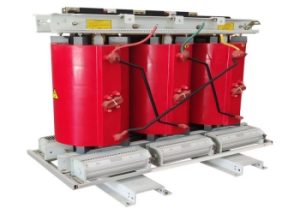
Ripensare gli standard di efficienza dei trasformatori di distribuzione; i gruppi di potere sollecitano il Dipartimento dell’Energia
