


Soláthraí Comhpháirteanna Leictreonacha | Claochladáin, Ionduchtóirí, Inverters


Réamhrá
Electricalfostáisiúin agustrasfhoirmeoirí form the critical infrastructure of power distribution networks. Whilesubstations act as nodal points for voltage regulation and power routing, transformers serve as the workhorses that enable efficient voltage conversion. This in-depth guide explores theirinterdependence, key components, technological advancements, and industry applications to help energy professionals optimize power infrastructure.

Core Functions of a Substation
Voltage transformation (step-up/step-down)
Power routing and switching
Frequency regulation
Protection and monitoring of grid assets
Types of Substations
Transmission Substations (66kV-765kV)
Interconnect high-voltage networks
Gnélarge power transformers (100MVA+)
Distribution Substations (11kV-33kV)
Supply power to end-users
Utilizetrasfhoirmeoirí dáileacháin (50kVA-30MVA)
Converter Substations
Enable HVDC transmission
Employspecialized converter transformers
The Critical Role of Transformers in Substations
Transformer Types in Substations
| Cineál | Raon Voltas | Key Application |
|---|---|---|
| Trasfhoirmeoir Cumhachta | 33kV-800kV | Transmission voltage conversion |
| Trasfhoirmeoir Dáilte | 415V-33kV | Local power distribution |
| Trasfhoirmeoir Uathoibríoch | 110kV-400kV | Interconnection of similar voltages |
| Phase-shifting Transformer | 138kV-345kV | Power flow control |
Innovations in Transformer Technology
Smart transformers with IoT monitoring
Eco-friendly ester oil alternatives
Croílár miotail éagruthach for higher efficiency
Digital twin technology for predictive maintenance
Substation-Transformer Integration
Key Interconnection Components
Scoradáin Chuarda – Isolate faults
Barraí Bus – Distribute power within substation
Protective Relays – Monitor abnormal conditions
Capacitor Banks – Power factor correction
Modern Substation Design Trends
Gas-insulated substations (GIS) for urban areas
Hybrid substations combining AIS and GIS elements
Mobile substations for emergency power
Renewable integration fostáisiúin
Utility-Scale Power Systems
National grid transmission networks
Regional load dispatch centers
Industrial Power Solutions
Steel plants requiring 220kV+ supply
Ionaid sonraí needing 99.999% iontaofacht
Feidhmchláir atá ag Teacht Chun Cinn
EV charging megahubs
Offshore wind farm collector stations
Microgrid interconnection points
Maintenance and Safety Considerations
Transformer Maintenance Best Practices
Dissolved gas analysis (DGA) for fault detection
Thermal imaging of connections
Tástáil ola rialta and filtration
Substation Safety Protocols
Arc flash hazard mitigation
Remote operation capabilities
Cybersecurity for digital substations

Outlook Todhchaí
Key Development Areas
Solid-state transformers for faster switching
Superconducting transformers with zero losses
AI-driven substation automation
Modular containerized substations
Conclúid
Tá ansynergy between substations and transformers drives modern power systems, enabling efficient electricity delivery from generation to end-users. Asgrid modernization accelerates, understanding theirtechnological evolution and integration strategies becomes crucial for energy professionals.
POSTAÍ GAOLMHARA
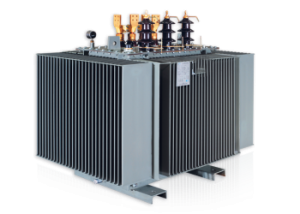
Áitíonn grúpaí cumhachta ar an Aireacht Fuinnimh athbhreithniú a dhéanamh ar chaighdeáin éifeachtúlachta do chlaochladáin dáileacháin
An t-ardú gan stad ar ESS: Cumhacht Athléimneach, Todhchaí In-athnuaite
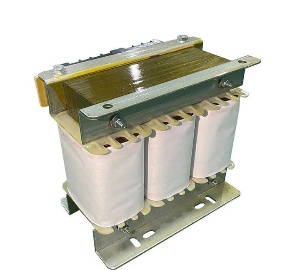
Céim síos Trasfhoirmeoir 220V go 110V: Treoir Iomlán le haghaidh Tiontú Sábháilte Voltais
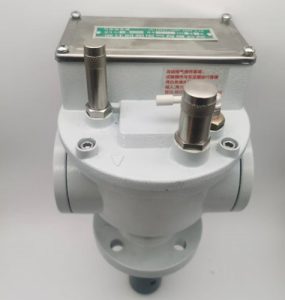
Cad is Athsheachadán Buchholz ann agus Cén Fáth a Bhfuil Sé Chomh Tábhachtach maidir le Cosaint Trasfhoirmeora?

Trasfhoirmeoir Céim chun Tosaigh: Feidhmchláir Ardvoltais a Chumhachtú go hÉifeachtach
