電子部品サプライヤー | トランスフォーマー, インダクタ, インバータ


導入
エネルギー貯蔵システム (ESS) 私たちが生成する方法に革命をもたらしています, 店, そして電気を消費する. 太陽光や風力などの再生可能エネルギーが普及するにつれて, the need for efficientエネルギー貯蔵ソリューション has never been greater. This article explores the latest advancements, 利点, and market trends inエネルギー貯蔵システム, providing insights for businesses and homeowners looking to adopt this cutting-edge technology.
Why Energy Storage Systems Are Essential
The global shift towardクリーンエネルギー has highlighted the limitations of traditional power grids. Solar panels and wind turbines generate electricity intermittently, makingエネルギー貯蔵 crucial for maintaining a stable power supply. ESS allows excess energy to be stored and used when demand is high or generation is low, reducing reliance on fossil fuels and enhancing grid resilience.
Key Benefits of Energy Storage Systems
- グリッドの安定性 & 信頼性 – ESS helps balance supply and demand, preventing blackouts.
- コスト削減 – Storing energy during off-peak hours reduces electricity bills.
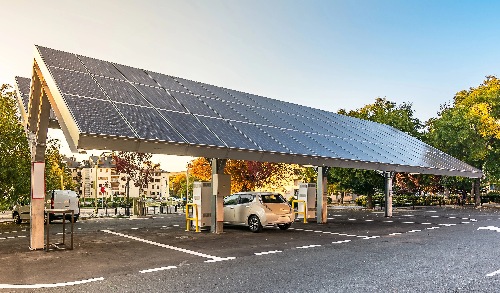
- Renewable Integration – Enables higher adoption of solar energy storage そして風力発電.
- Emergency Backup – Provides power during outages, ensuring uninterrupted supply.
- Reduced Carbon Footprint – Supports 持続可能なエネルギー by minimizing fossil fuel dependence.
Latest Trends in Energy Storage Technology
のenergy storage industry 急速に進化している, with innovations driving efficiency and affordability. Here are the hottest trends in 2024:
1. Lithium-Ion Batteries Dominate the Market
Lithium-ion remains the leadingバッテリーストレージ technology due to its high energy density and declining costs. Companies like Tesla and LG Chem are advancing家庭用エネルギー貯蔵 ソリューション, making them more accessible.
2. Solid-State Batteries – The Next Big Thing
Solid-state batteries promise higher safety, faster charging, and longer lifespans. Major automakers and tech firms are investing heavily in this breakthrough for電気自動車 (EV) and grid storage.
3. Flow Batteries for Large-Scale Storage
Vanadium redox flow batteries are gaining traction for industrial and utility-scale applications due to their scalability and long cycle life.
4. AI & スマートエネルギー管理
Artificial intelligence optimizesエネルギー貯蔵システム by predicting demand patterns and automating energy distribution, maximizing efficiency.
Applications of Energy Storage Systems
ESS is transforming multiple industries:
1. Residential Energy Storage
Homeowners are adopting太陽電池ストレージ to store excess solar power, reducing reliance on the grid and lowering electricity costs.
2. コマーシャル & 産業用
Businesses use ESS to cut energy expenses, manage peak demand charges, and ensure backup power for critical operations.
3. Utility-Scale Storage
大きいバッテリーエネルギー貯蔵システム (ベス) support renewable integration, stabilize grids, and replace peaker plants.
4. Electric Vehicles & Charging Infrastructure
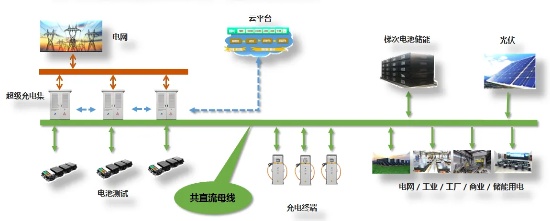
EV adoption is driving demand for fast-charging stations with integratedエネルギー貯蔵ソリューション to manage load and prevent grid strain.
課題 & 今後の展望
Despite rapid growth, のenergy storage market faces hurdles:
- High Initial Costs – Though prices are falling, upfront investment remains a barrier.
- Regulatory Barriers – Policies must evolve to support widespread ESS deployment.
- Recycling & Sustainability – Proper disposal and recycling of batteries are critical for a green energy future.
しかし, with government incentives and technological advancements, のglobal energy storage market is projected to grow exponentially, 到達$500 10億まで 2030.
結論
エネルギー貯蔵システム are the backbone of a持続可能なエネルギー future. From residential太陽電池ストレージ to utility-scale installations, ESS is enabling a cleaner, more reliable power grid. テクノロジーが進歩するにつれて, costs decline, and policies improve, エネルギー貯蔵ソリューション will play an even bigger role in the global transition to再生可能エネルギー.