Proveedor de componentes electrónicos | Transformadores, Inductores, Inversores


Introducción
Sistemas de almacenamiento de energía (ESS) están revolucionando la forma en que generamos, almacenar, y consumir electricidad. A medida que las fuentes de energía renovables como la solar y la eólica se vuelven más frecuentes, the need for efficientsoluciones de almacenamiento de energía has never been greater. This article explores the latest advancements, beneficios, and market trends insistemas de almacenamiento de energía, providing insights for businesses and homeowners looking to adopt this cutting-edge technology.
Why Energy Storage Systems Are Essential
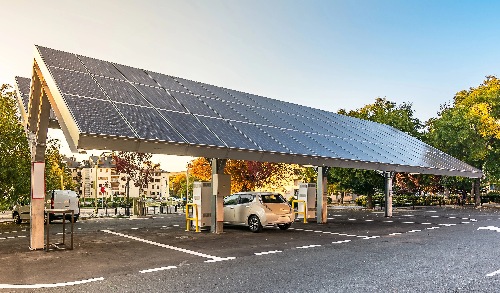
The global shift towardclean energy has highlighted the limitations of traditional power grids. Solar panels and wind turbines generate electricity intermittently, haciendoalmacenamiento de energía crucial for maintaining a stable power supply. ESS allows excess energy to be stored and used when demand is high or generation is low, reducing reliance on fossil fuels and enhancing grid resilience.
Key Benefits of Energy Storage Systems
- Estabilidad de la red & Fiabilidad – ESS helps balance supply and demand, preventing blackouts.
- Cost Savings – Storing energy during off-peak hours reduces electricity bills.
- Renewable Integration – Enables higher adoption of solar energy storage y energía eólica.
- Copia de seguridad de emergencia – Provides power during outages, ensuring uninterrupted supply.
- Reduced Carbon Footprint – Supports energía sostenible by minimizing fossil fuel dependence.
Latest Trends in Energy Storage Technology
Elenergy storage industry está evolucionando rápidamente, with innovations driving efficiency and affordability. Here are the hottest trends in 2024:
1. Lithium-Ion Batteries Dominate the Market
Lithium-ion remains the leadingalmacenamiento de batería technology due to its high energy density and declining costs. Companies like Tesla and LG Chem are advancingalmacenamiento de energía en el hogar soluciones, making them more accessible.
2. Solid-State Batteries – The Next Big Thing
Solid-state batteries promise higher safety, faster charging, and longer lifespans. Major automakers and tech firms are investing heavily in this breakthrough forvehículos eléctricos (vehículos eléctricos) and grid storage.
3. Flow Batteries for Large-Scale Storage
Vanadium redox flow batteries are gaining traction for industrial and utility-scale applications due to their scalability and long cycle life.
4. AI & Gestión inteligente de la energía
Artificial intelligence optimizessistemas de almacenamiento de energía by predicting demand patterns and automating energy distribution, maximizing efficiency.
Applications of Energy Storage Systems
ESS is transforming multiple industries:
1. Residential Energy Storage
Homeowners are adoptingalmacenamiento de baterías solares to store excess solar power, reducing reliance on the grid and lowering electricity costs.
2. Comercial & Industrial Use
Businesses use ESS to cut energy expenses, manage peak demand charges, and ensure backup power for critical operations.
3. Almacenamiento a escala de servicios públicos
Grandesistemas de almacenamiento de energía en baterías (BESS) support renewable integration, stabilize grids, and replace peaker plants.
4. Vehículos eléctricos & Charging Infrastructure
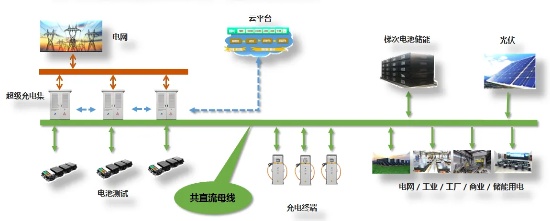
EV adoption is driving demand for fast-charging stations with integratedsoluciones de almacenamiento de energía to manage load and prevent grid strain.
Desafíos & Perspectivas futuras
Despite rapid growth, elmercado de almacenamiento de energía faces hurdles:
- High Initial Costs – Though prices are falling, upfront investment remains a barrier.
- Regulatory Barriers – Policies must evolve to support widespread ESS deployment.
- Recycling & Sustainability – Proper disposal and recycling of batteries are critical for a green energy future.
Sin embargo, with government incentives and technological advancements, elglobal energy storage market is projected to grow exponentially, reaching$500 mil millones por 2030.
Conclusión
Sistemas de almacenamiento de energía are the backbone of aenergía sostenible future. From residentialalmacenamiento de baterías solares to utility-scale installations, ESS is enabling a cleaner, more reliable power grid. A medida que avanza la tecnología, costs decline, and policies improve, soluciones de almacenamiento de energía will play an even bigger role in the global transition toenergía renovable.
PUBLICACIONES RELACIONADAS
Sistema de almacenamiento de batería de inversor solar Generac PWRcell
¿Por qué los transformadores de distribución prefieren el aceite mineral??
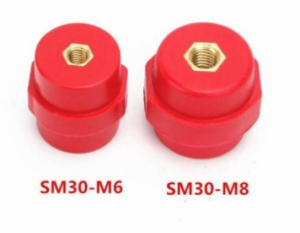
Aisladores especiales para transformadores de baja tensión promueven mejoras de seguridad en la industria eléctrica
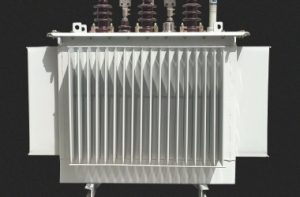
Transformador sumergido en aceite: El guardián de la estabilidad del sistema eléctrico.

Diodos de potencia de recuperación rápida – the "superheroes" de la industria electrónica de potencia!